Punta Arenas, Chile
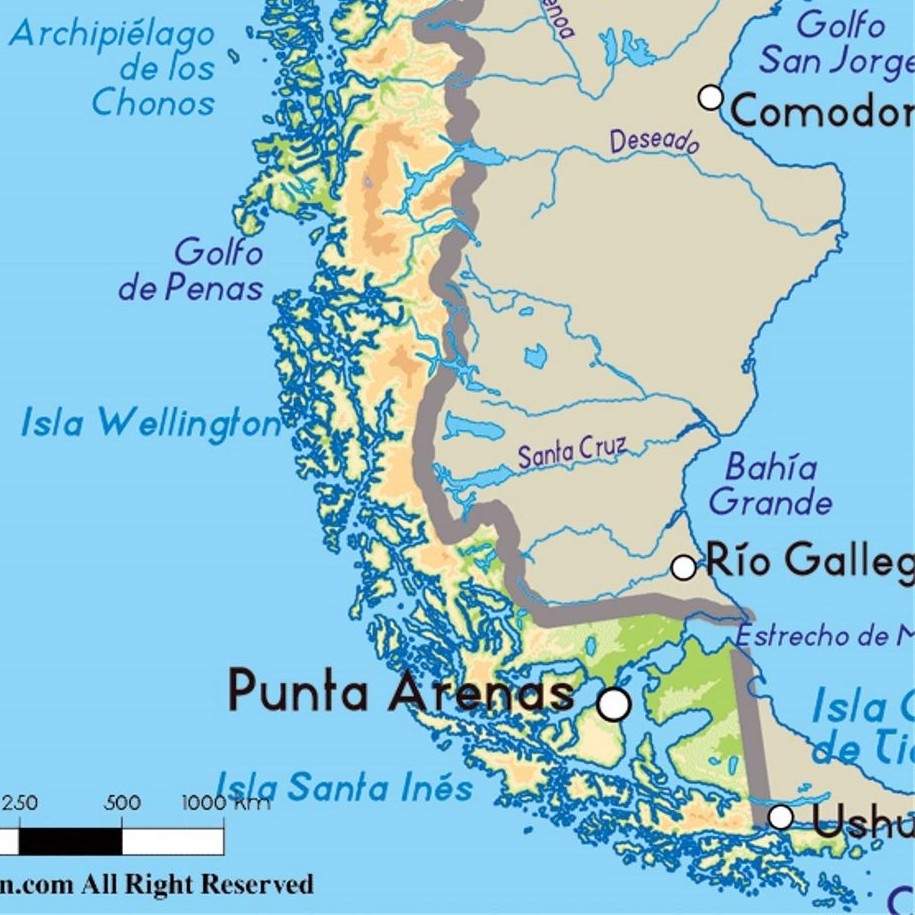
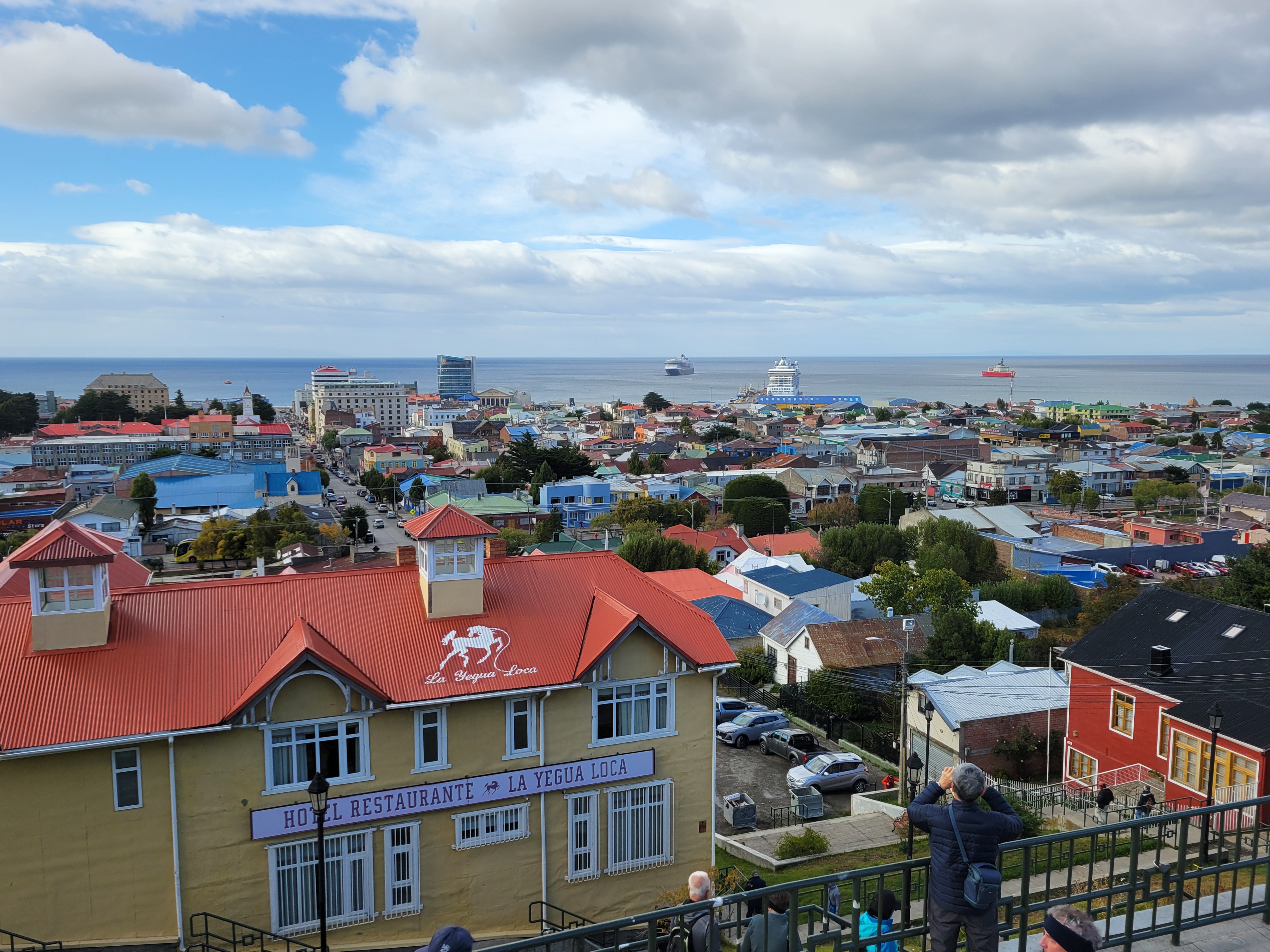
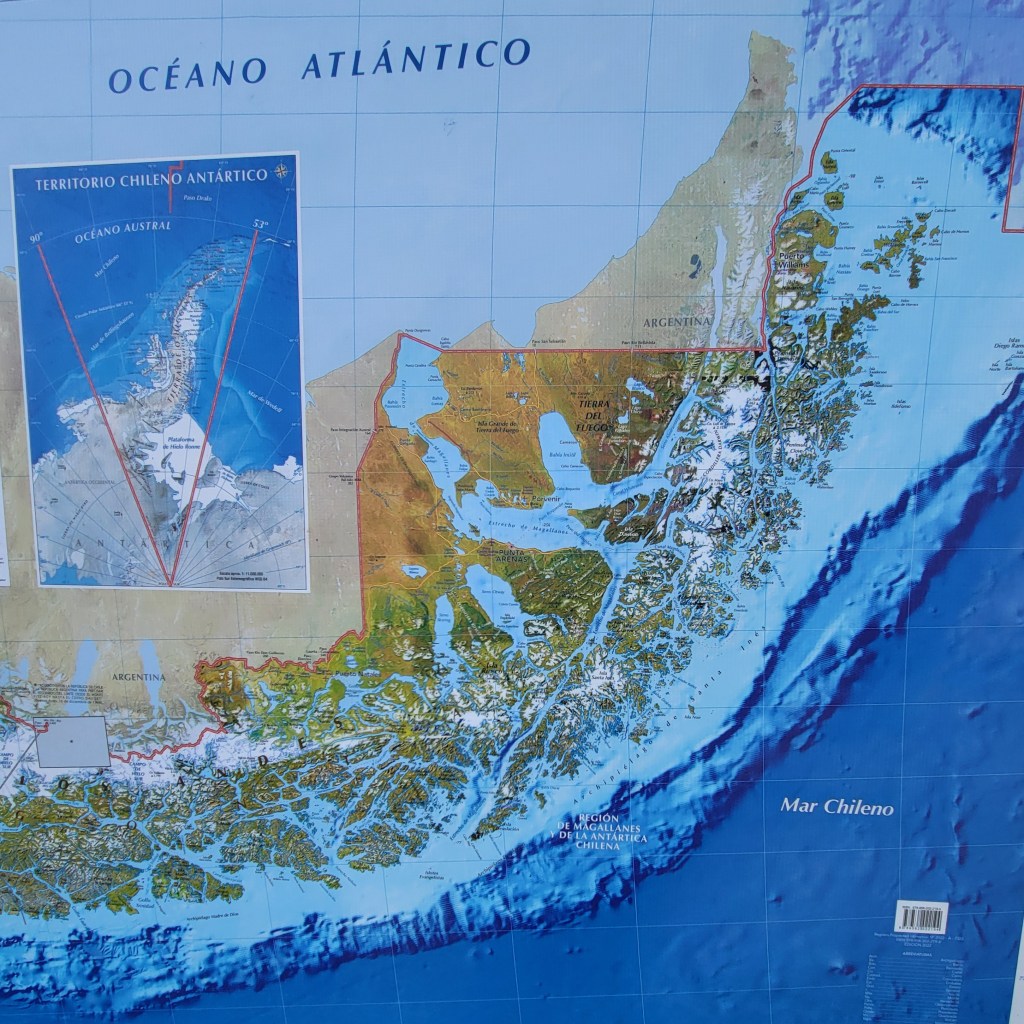
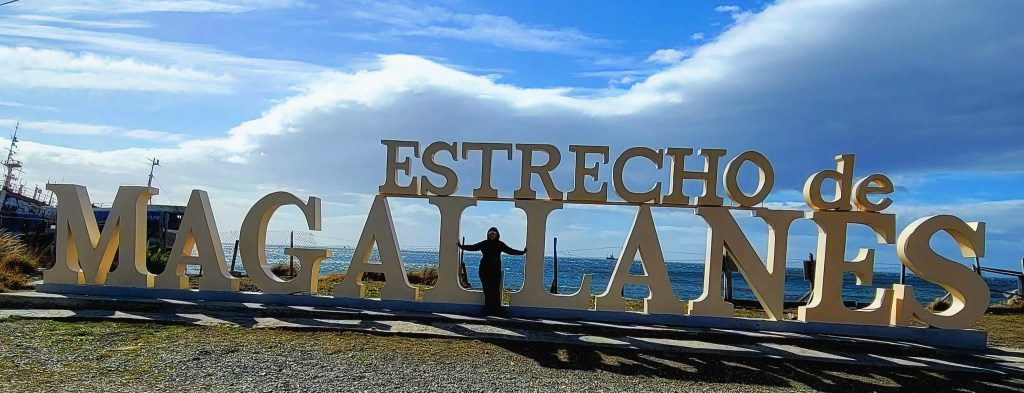
Punta Arenas is a bustling city in southern Chile. Punta Arenas lies on the Strait of Magellan between the Pacific and Atlantic oceans and is the southernmost large city in the world. (Ushuaia might dispute that!) Due to its location, it is also the coldest coastal city with more than 100,000 inhabitants
Founded in 1848 by Col. José de los Santos Mardones, it flourished as a port of call and coaling station until the opening of the Panama Canal (1914) and the replacement of coal (still mined nearby) by fuel oil as a maritime fuel. Now the service center of a large sheep-raising area, it processes and exports hides, wool, and frozen mutton, thanks to Sara Braun.
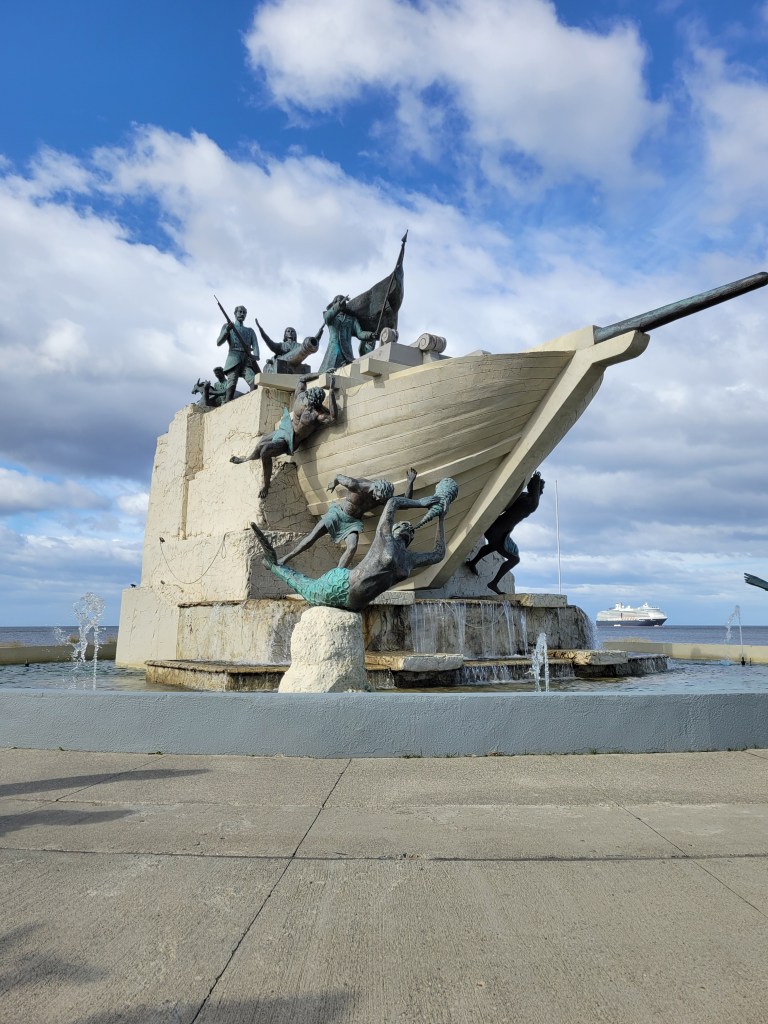
Its port facilities also handle local lumber and petroleum products. The nearby Tierra del Fuego oil fields, the attractions of the free port, and the maintenance of naval, air, and army garrisons have all contributed to the city’s modern growth.
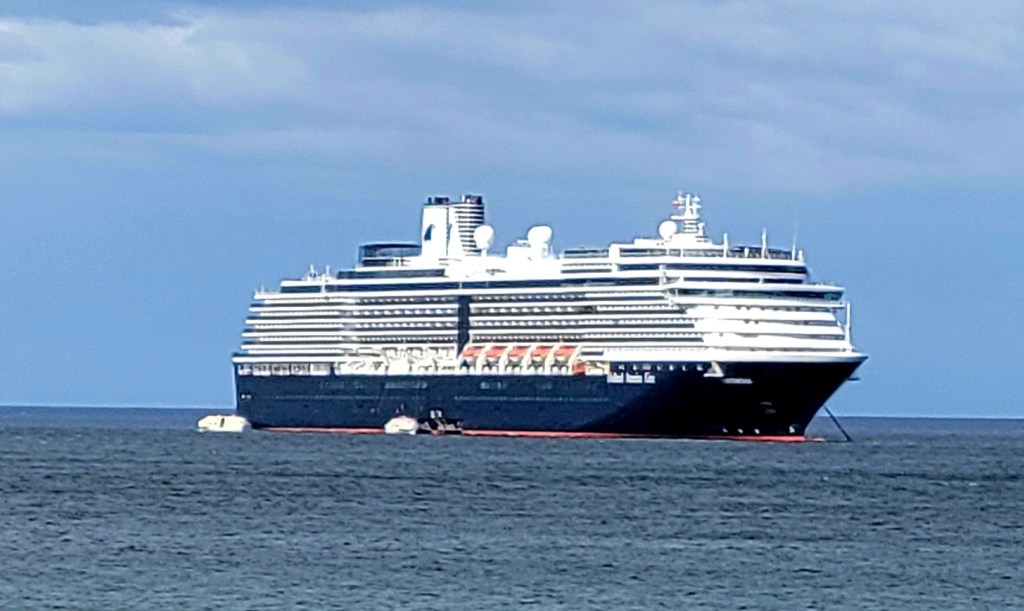
We were waitlisted for an excursion, so we just tendered in and decided to take our chances. Thanks to David Mendez, a co-worker of Juli’s, I had a list of sites to see. Those of you who know me, I always book from the ship, just in case … but lady luck was with us. We took a tour with the first guy we saw, and it turned out so well. A small group of 16 and we all got along. The driver only spoke Spanish, but one of the ladies did translation for the rest of us. He also had English translation of all the sites. It was so nice and the weather cooperated. It was only $30 per person for 3 hours. Since we were such a small group, we saw everything easily. Someone needed water, so he stopped at a gas station/market. Pat asked about getting good empanadas. At the end of the tour, he stopped at a bakery, and we all got the best empanadas yet. They were fresh, big and only $2. It started to rain on the way back to the ship.
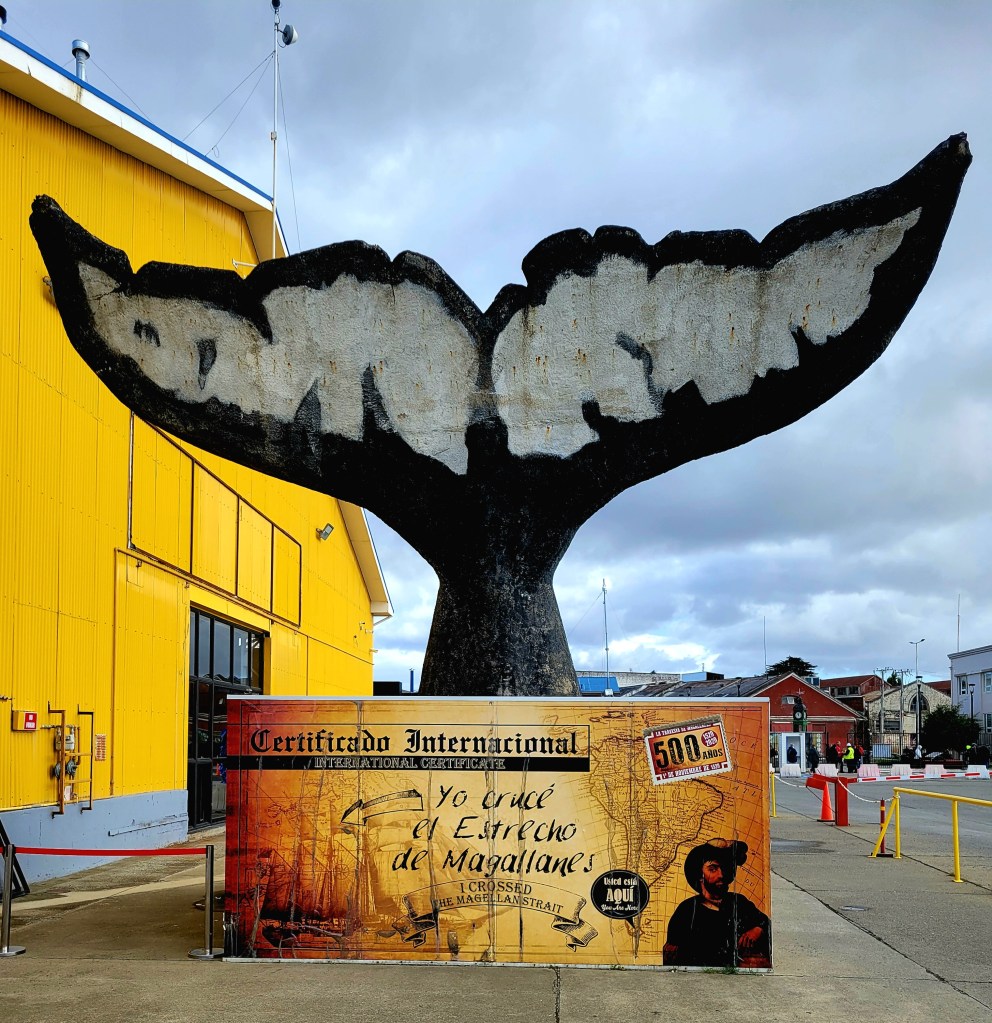

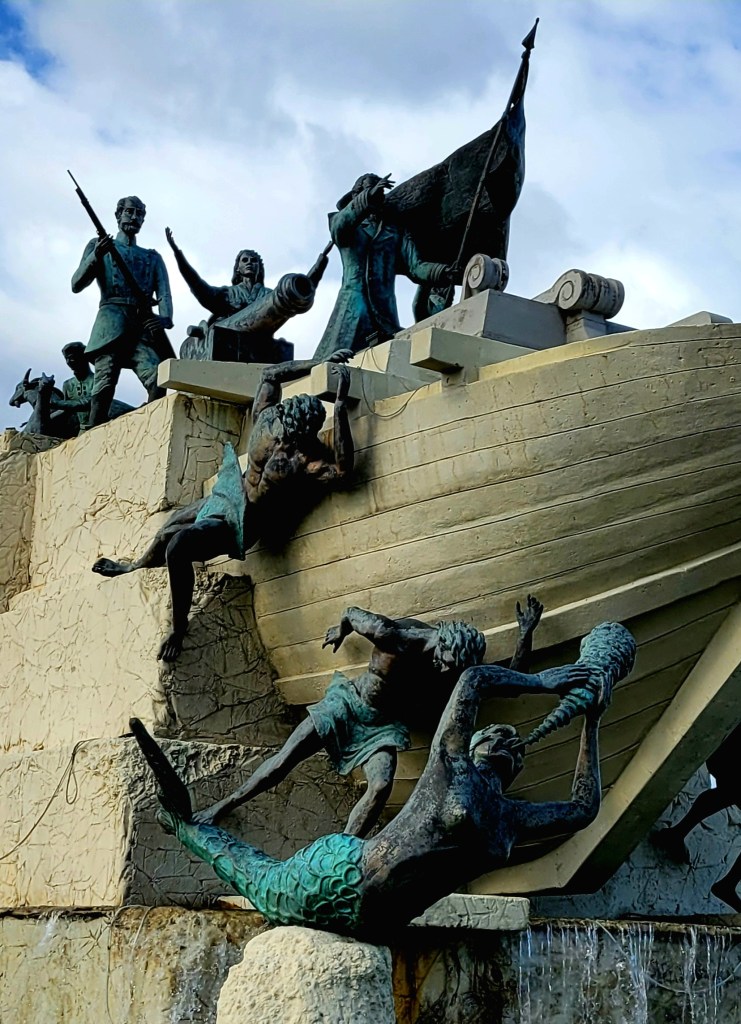
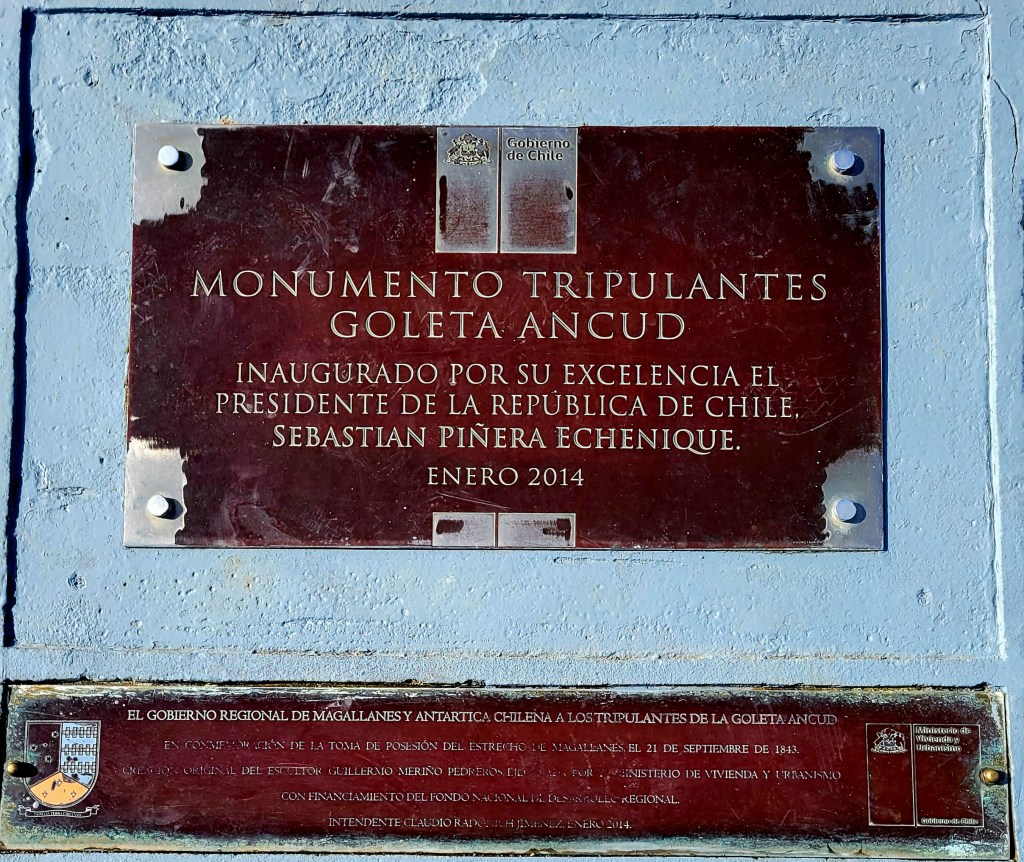

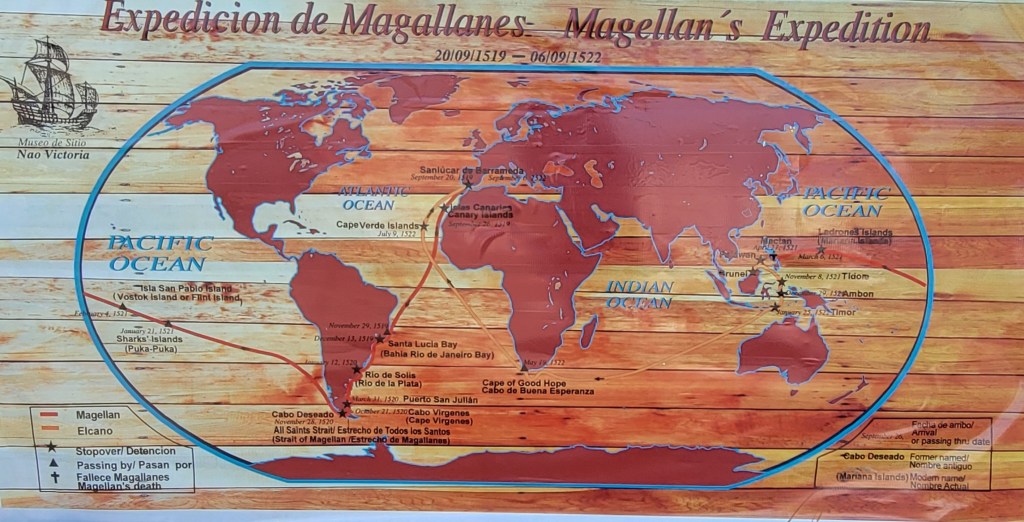
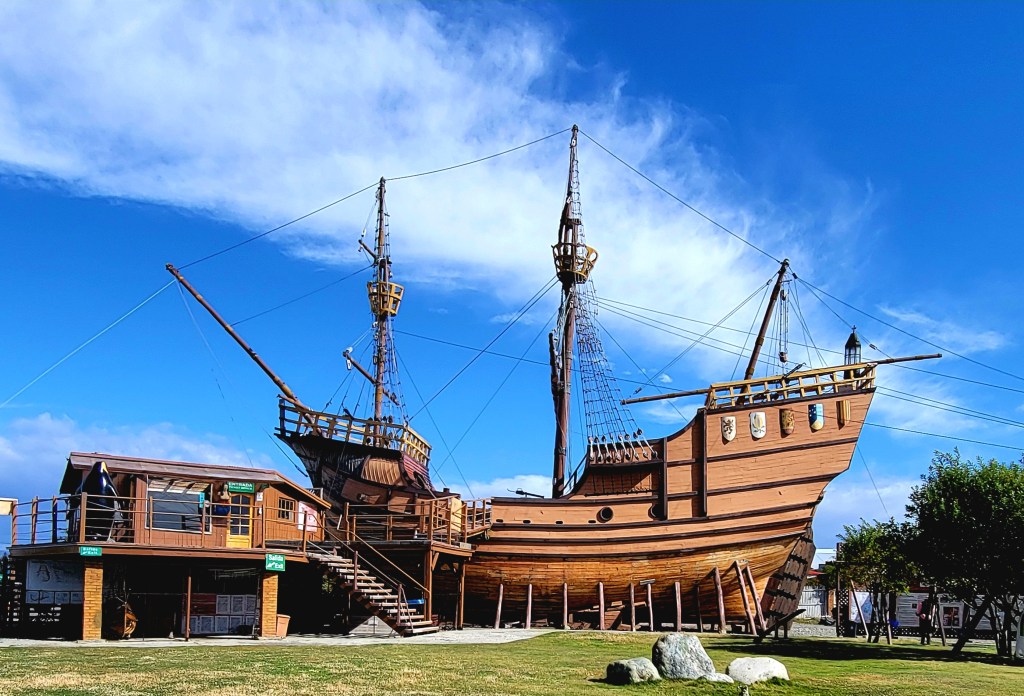
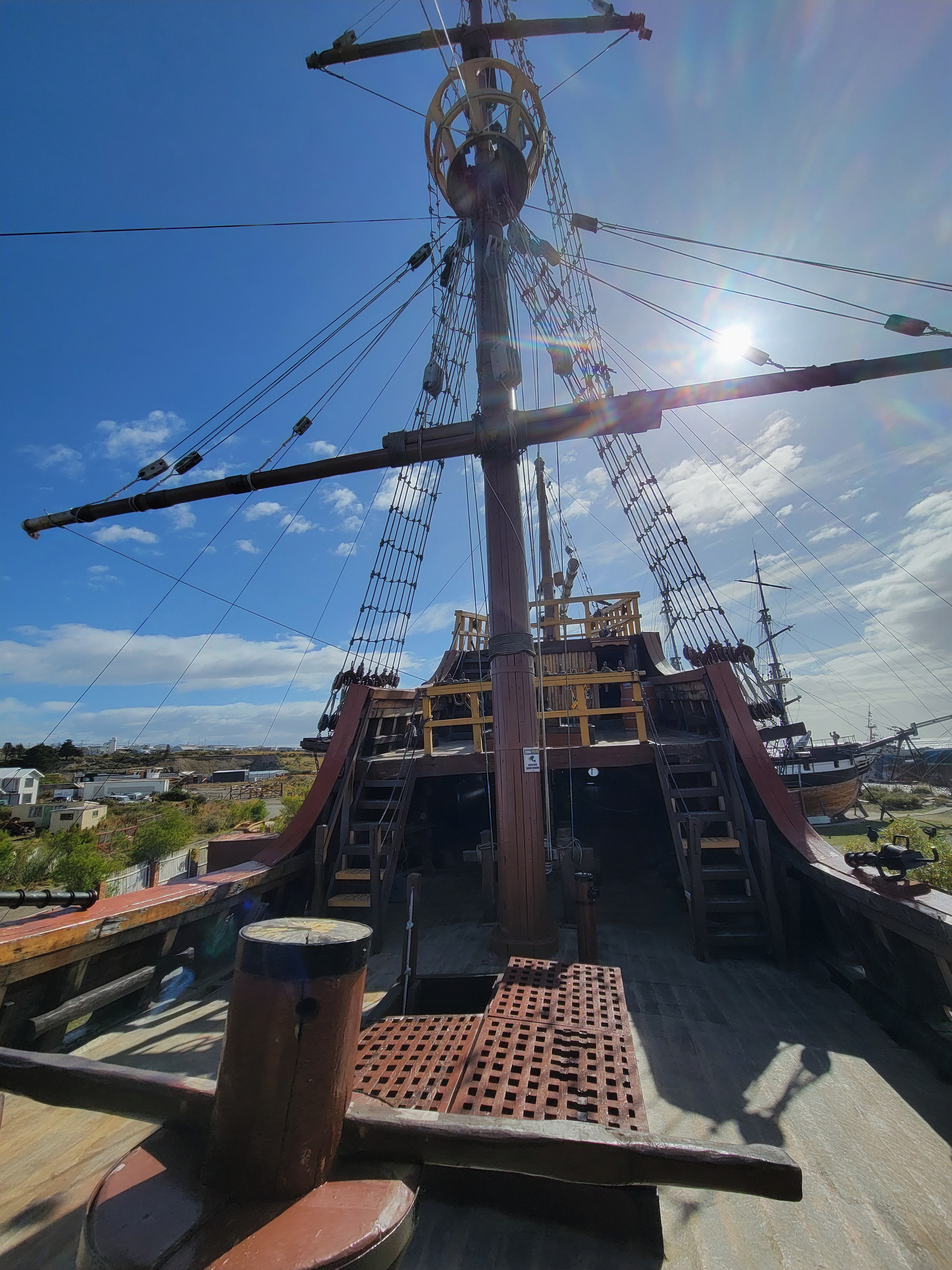
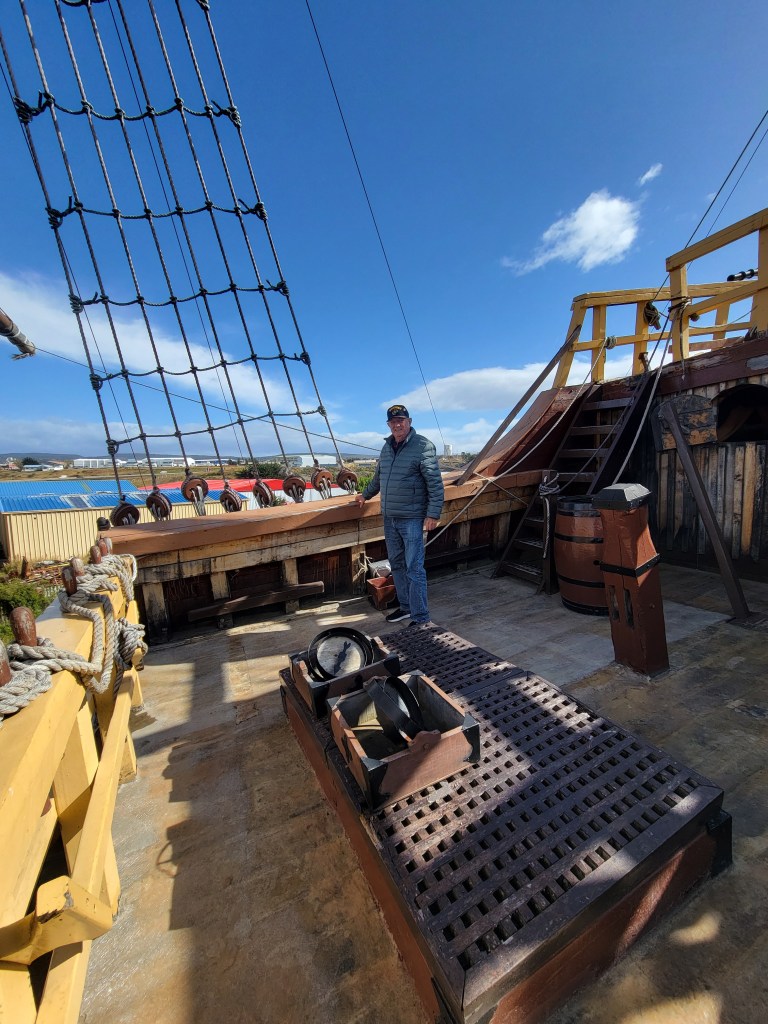
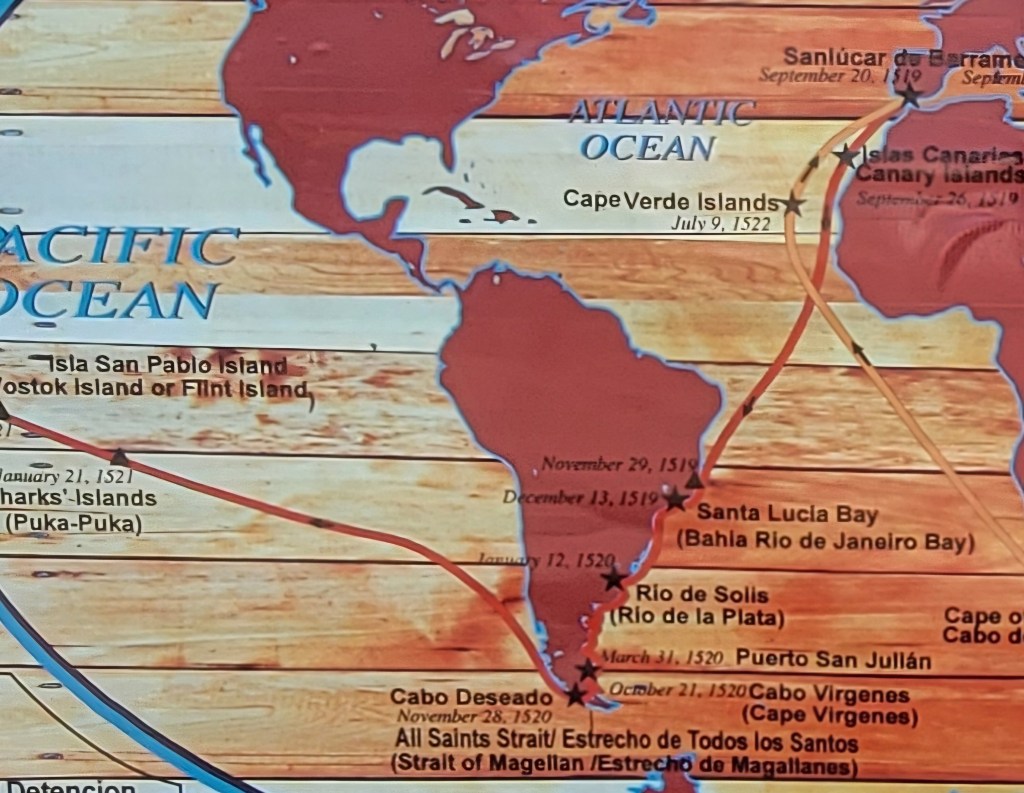
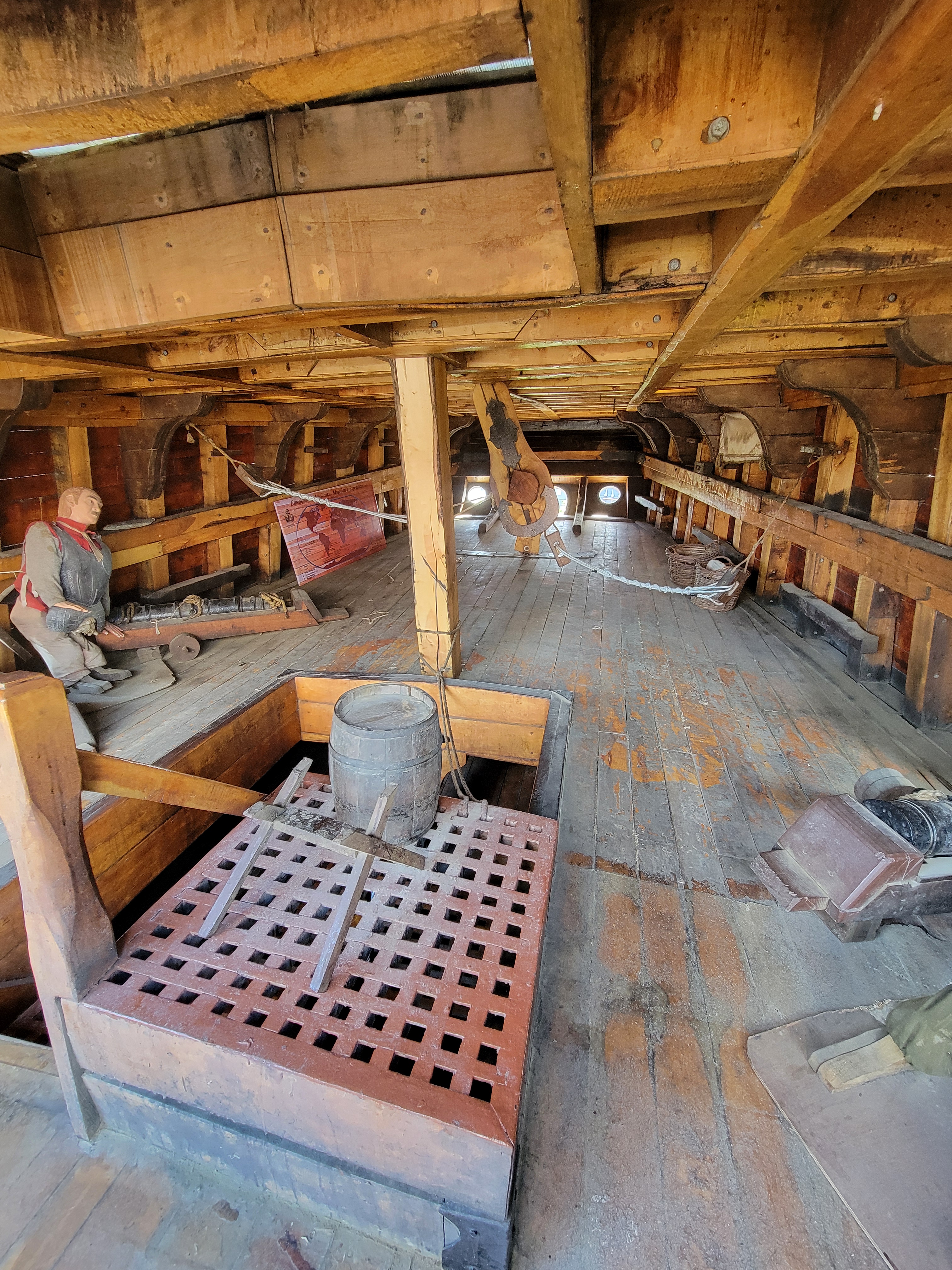
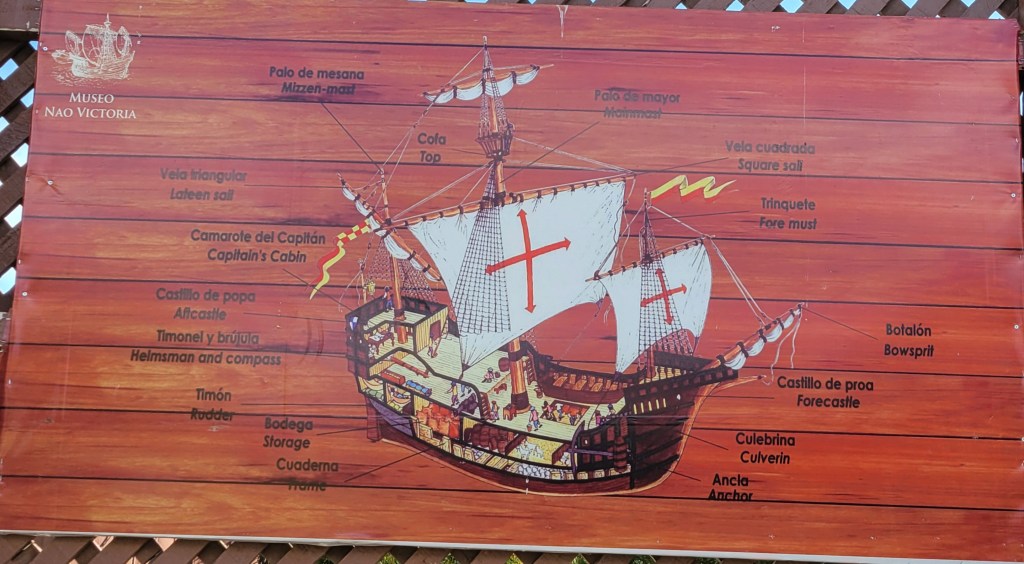
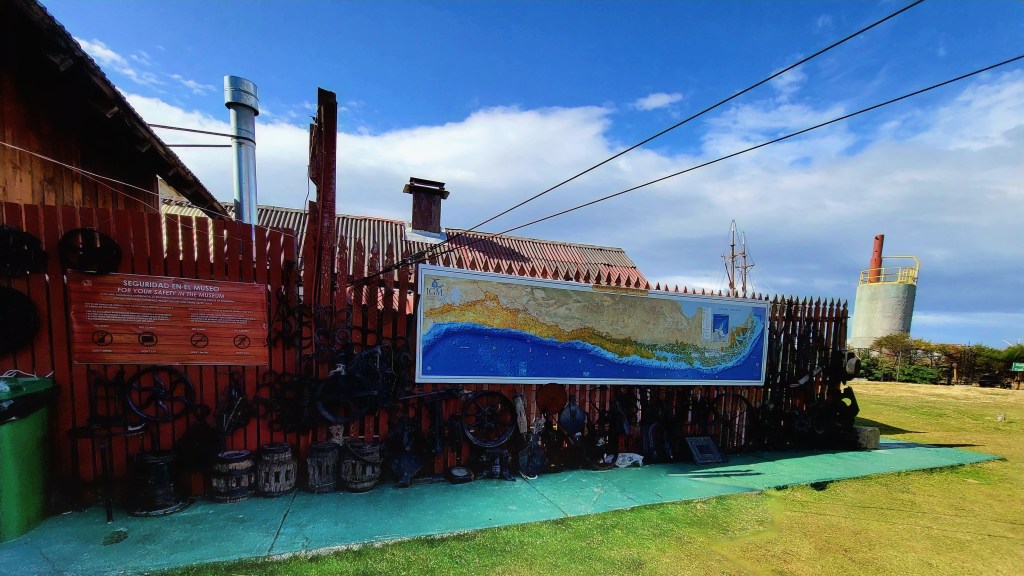
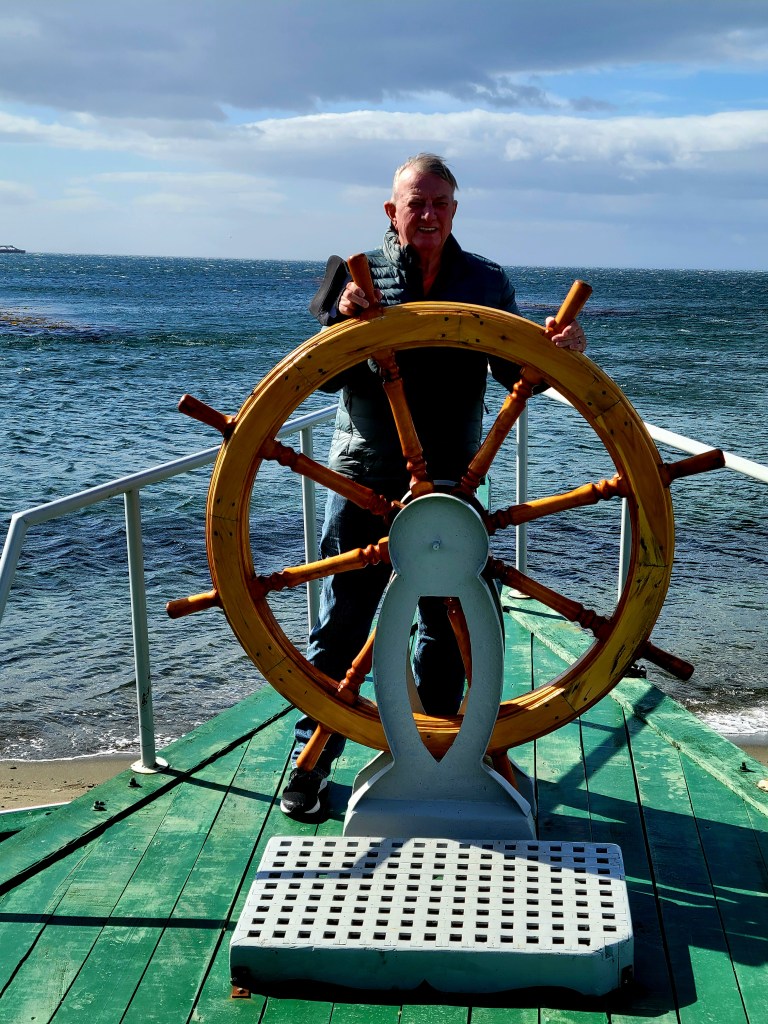
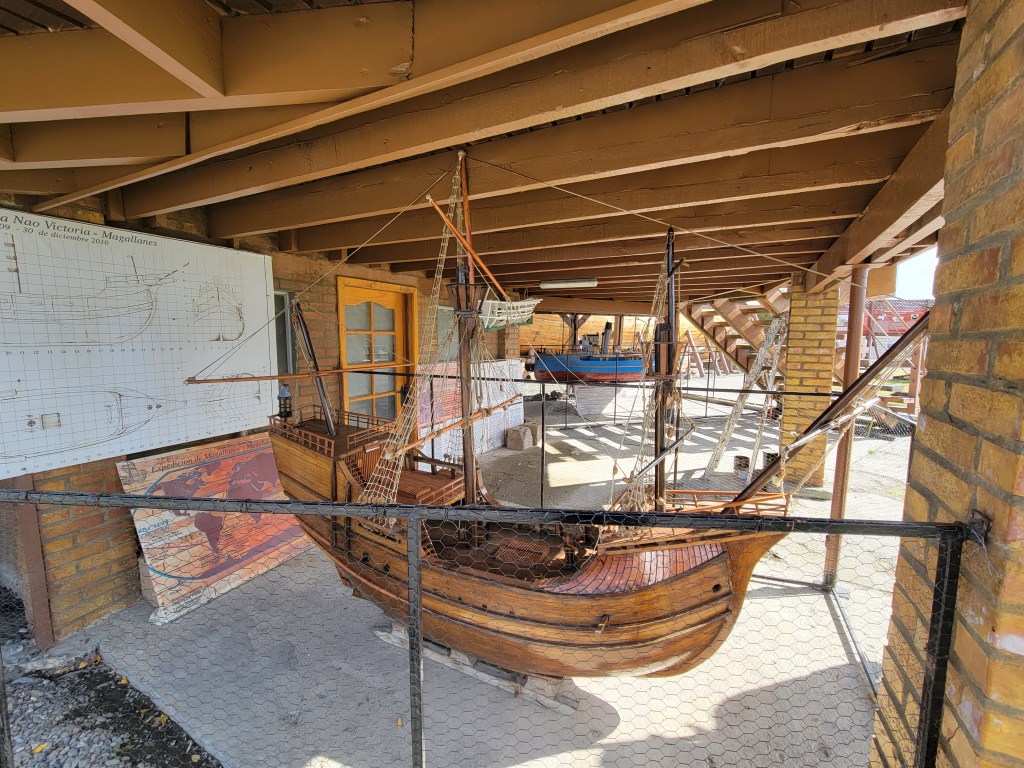
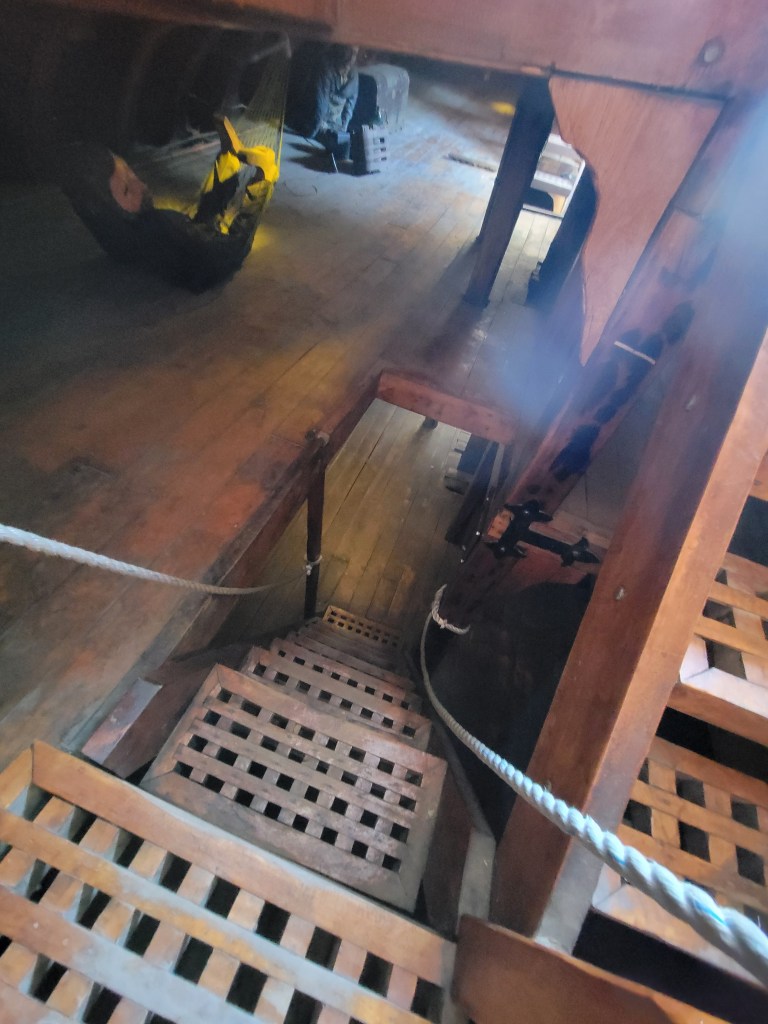
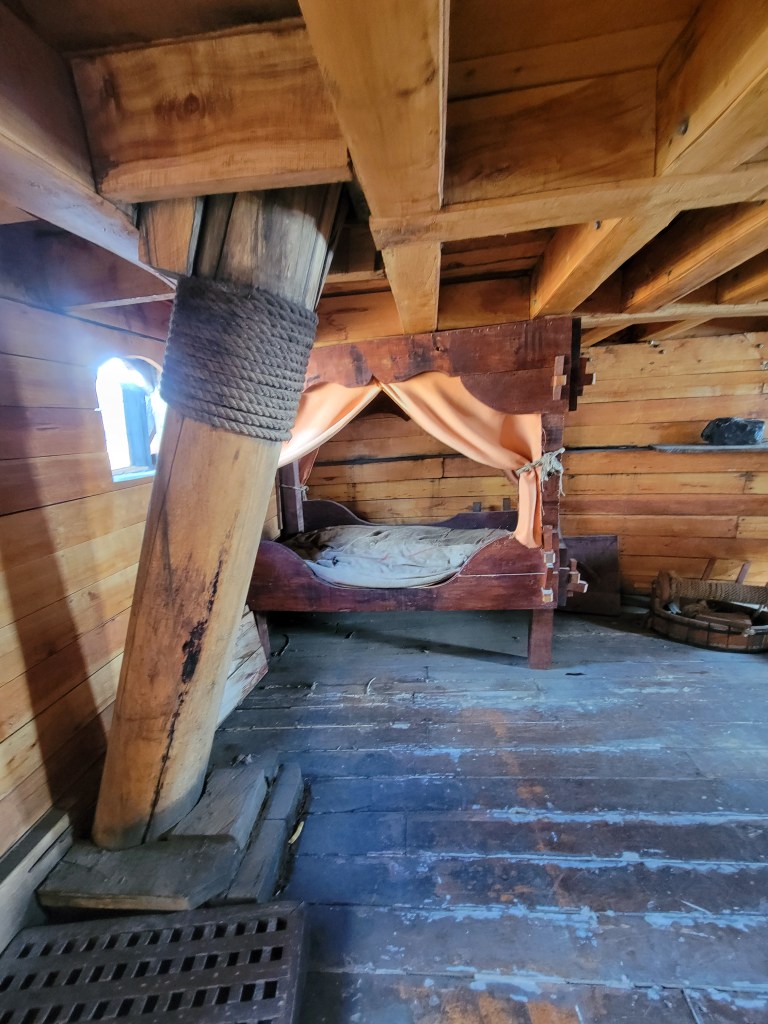
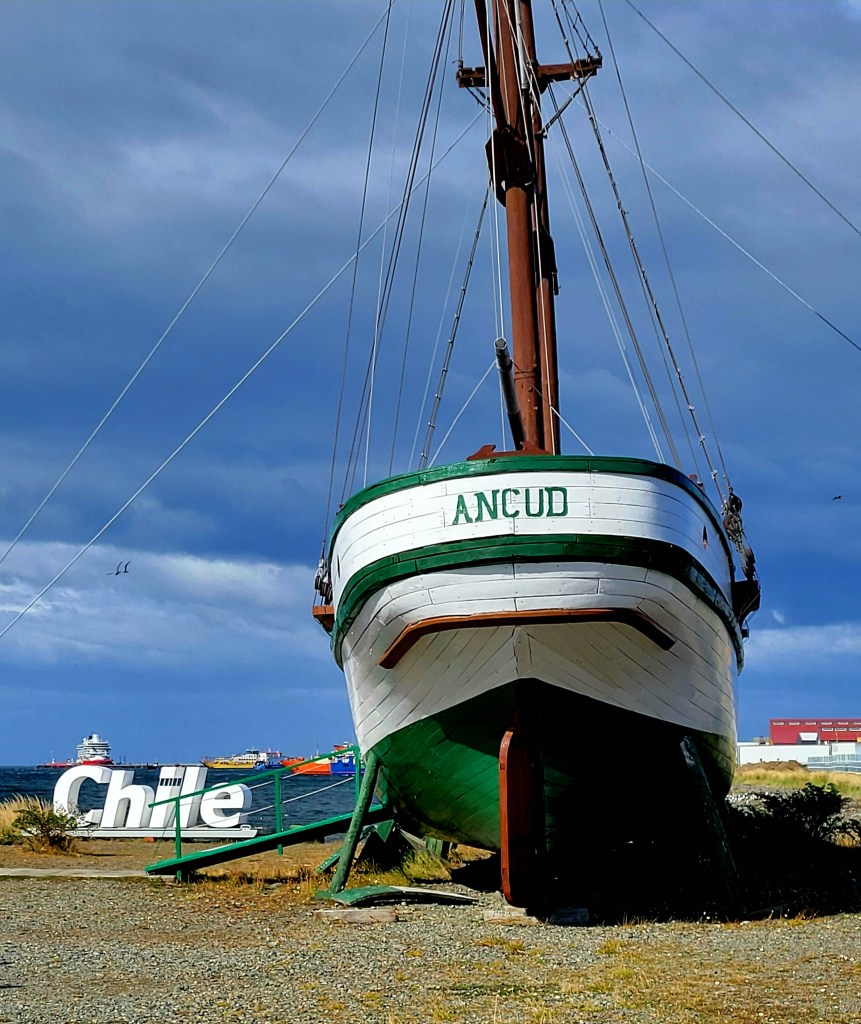
Nao Victoria Museum is a private museum. A fee cost $7.50 It aims to provide a real experience in replicas of the most important ships in the Magallanes Region. There are four open replicas to visit in the Museum: Nao Victoria, the only fleet commanded by Ferdinand Magellan completed the first circumnavigation of the globe. James Caird, originally a lifeboat Endurance that sailed from Elephant Island to South Georgia during the Imperial Trans-Antarctic Expedition of Sir Ernest Shackleton 1916. Goleta Ancud, the ship, under the command of Manuel Bulnes, President of Chile, took the sovereignty of the Magellan Strait to Chile with the construction of Fuerte Bulnes. HMS Beagle, the famous British Navy brig, under the command of Captain Fitz Roy raised cartography work of Magallanes Region. Aboard the boat mythical young Charles Darwin began writing his theory of evolution.


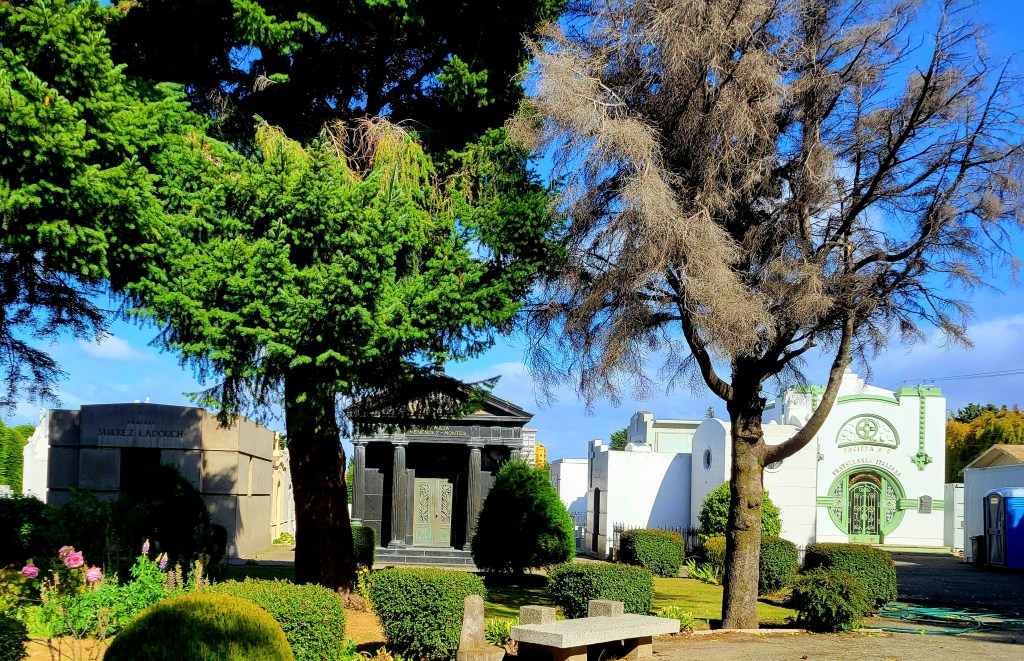
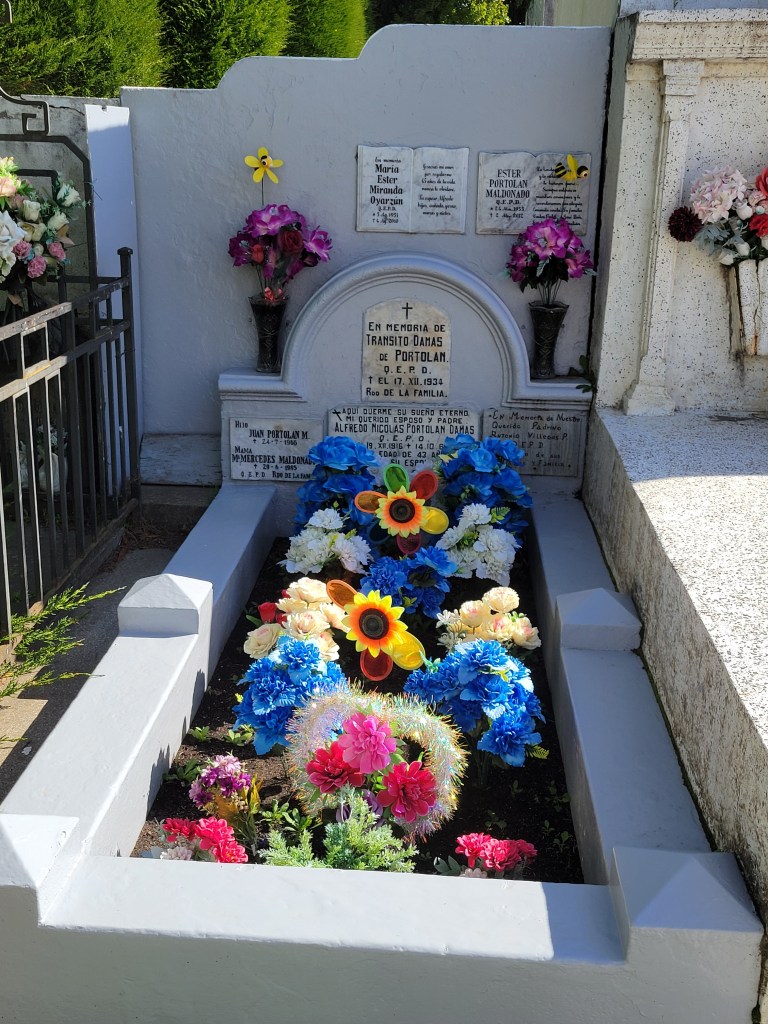
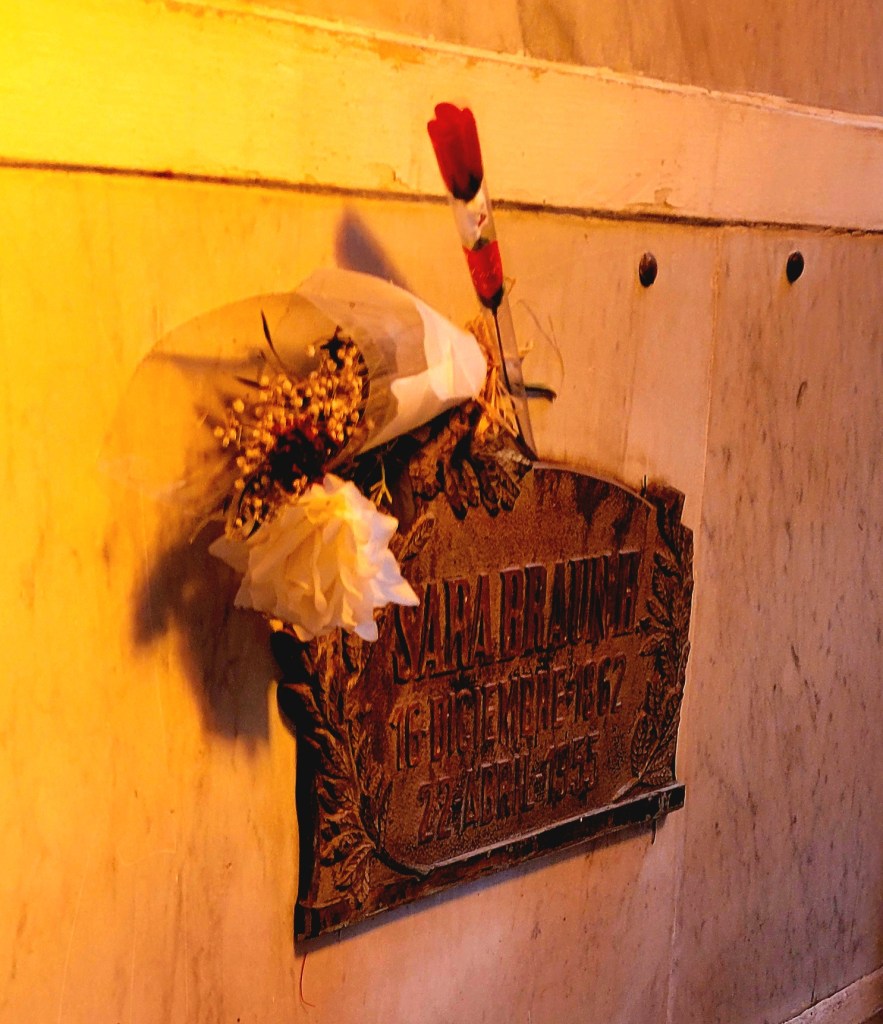
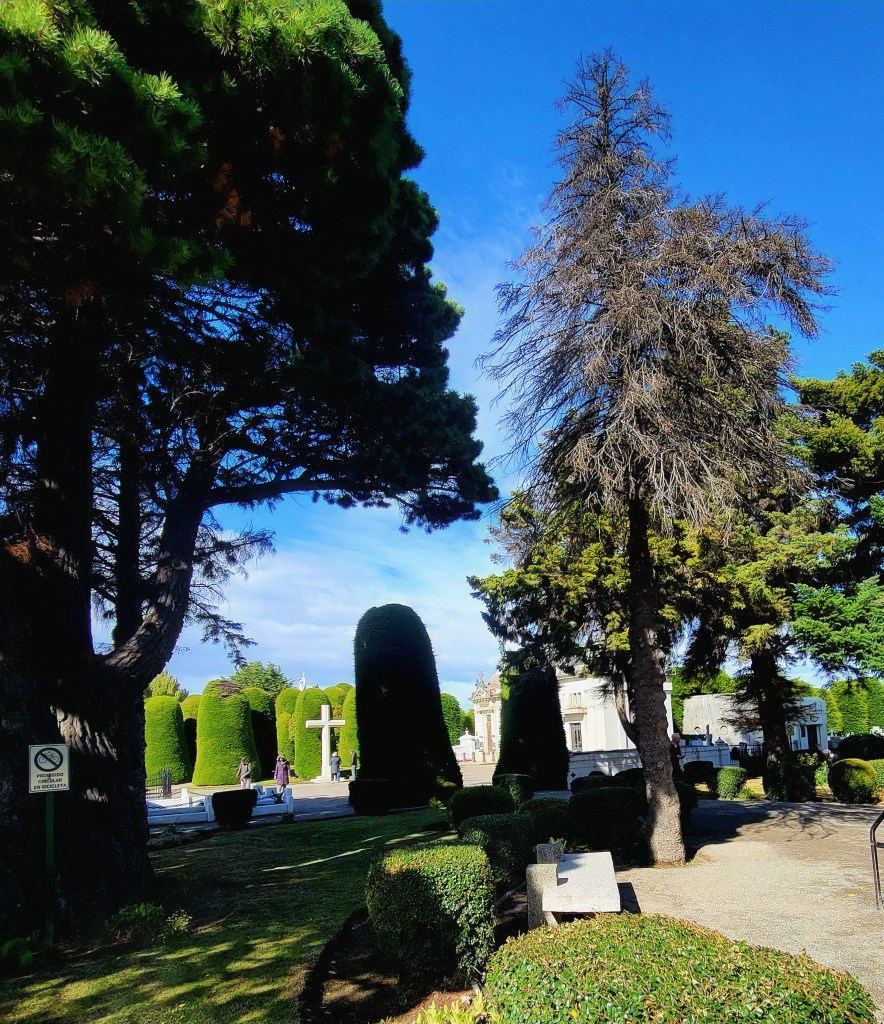
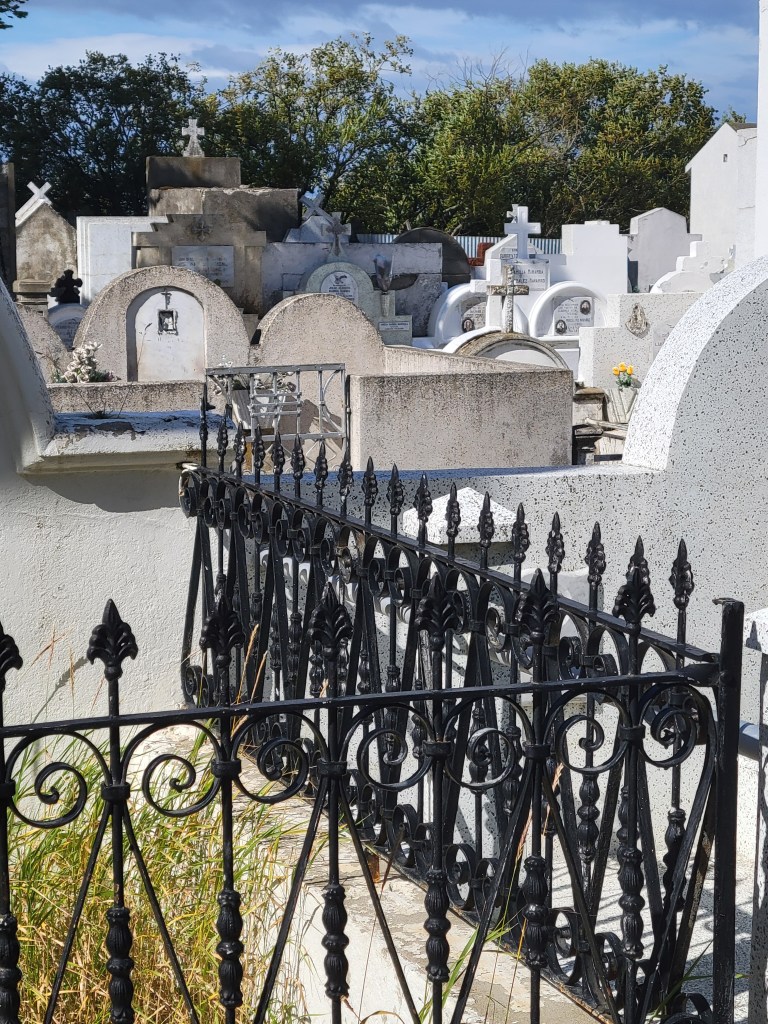
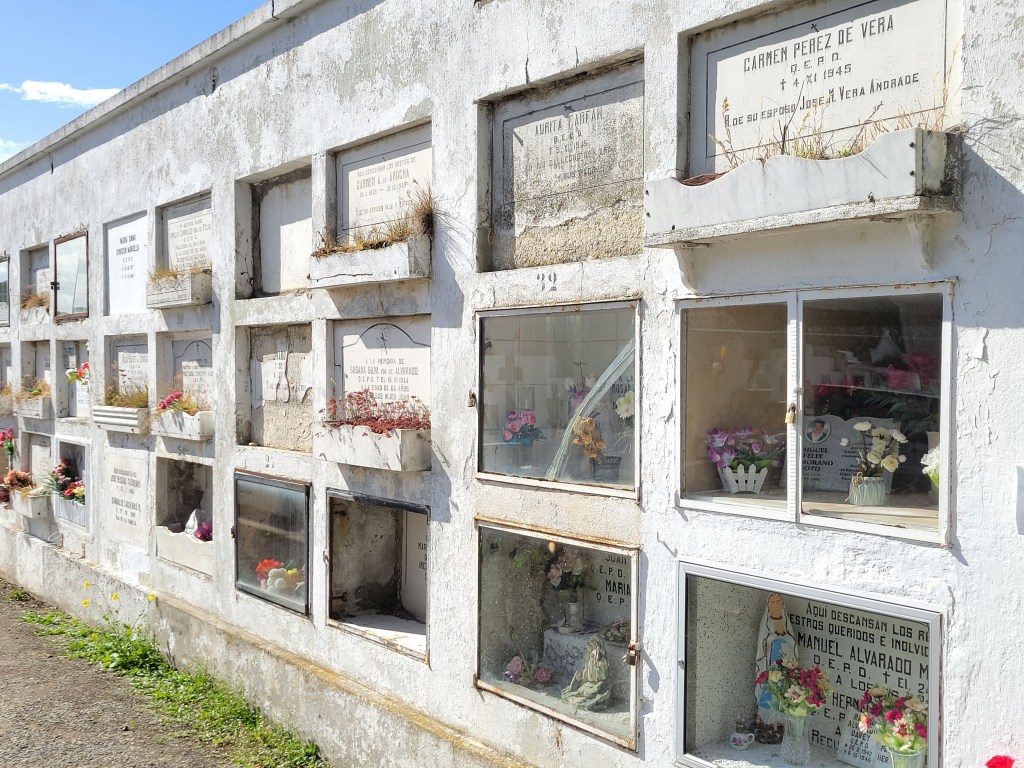
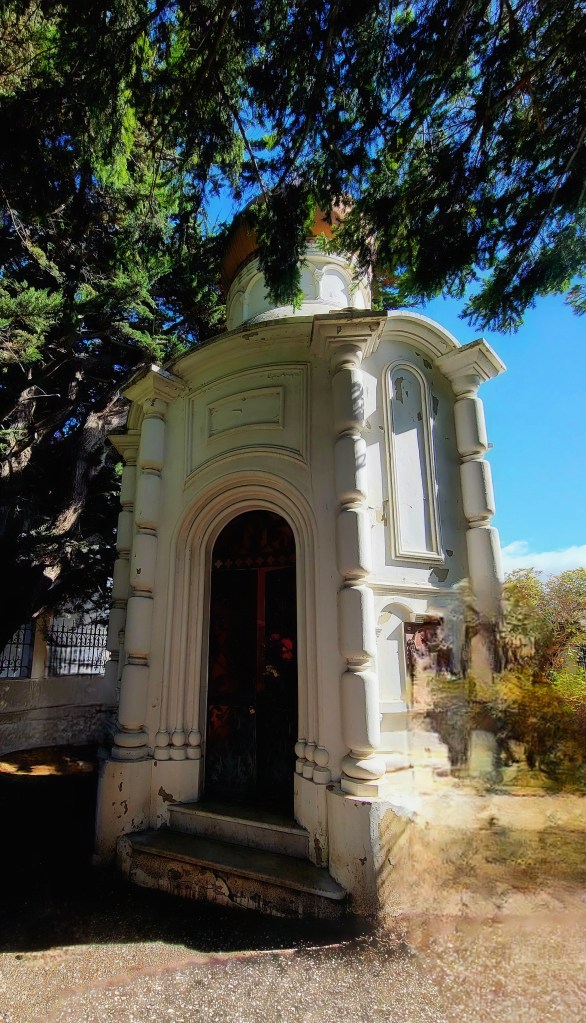
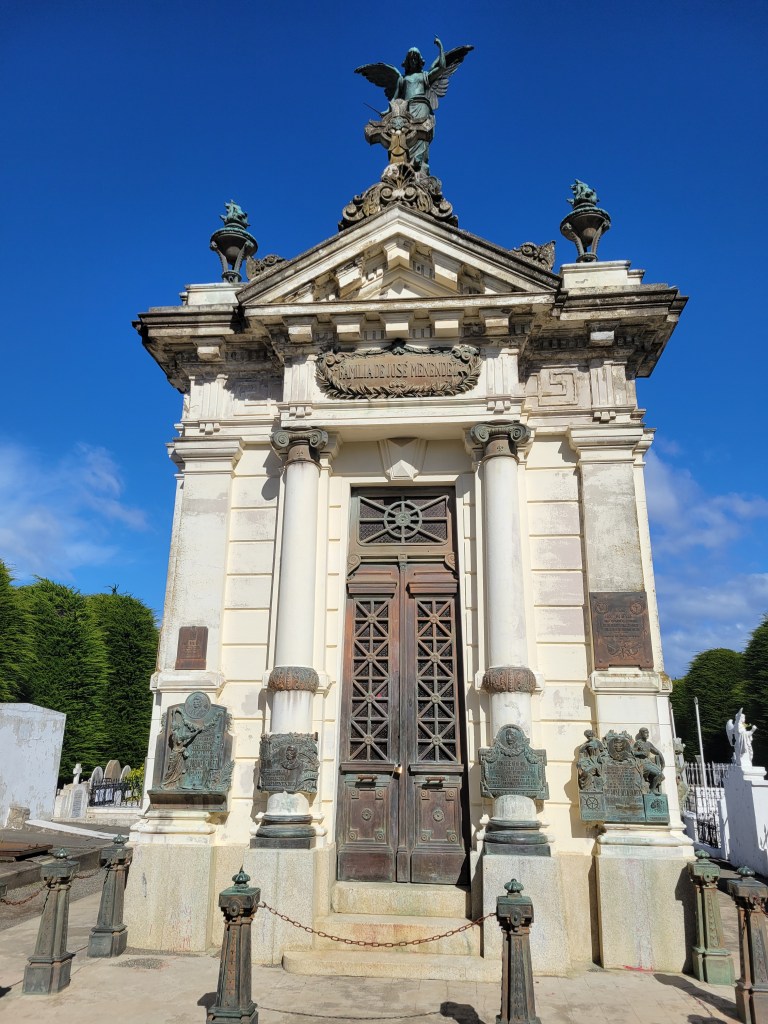
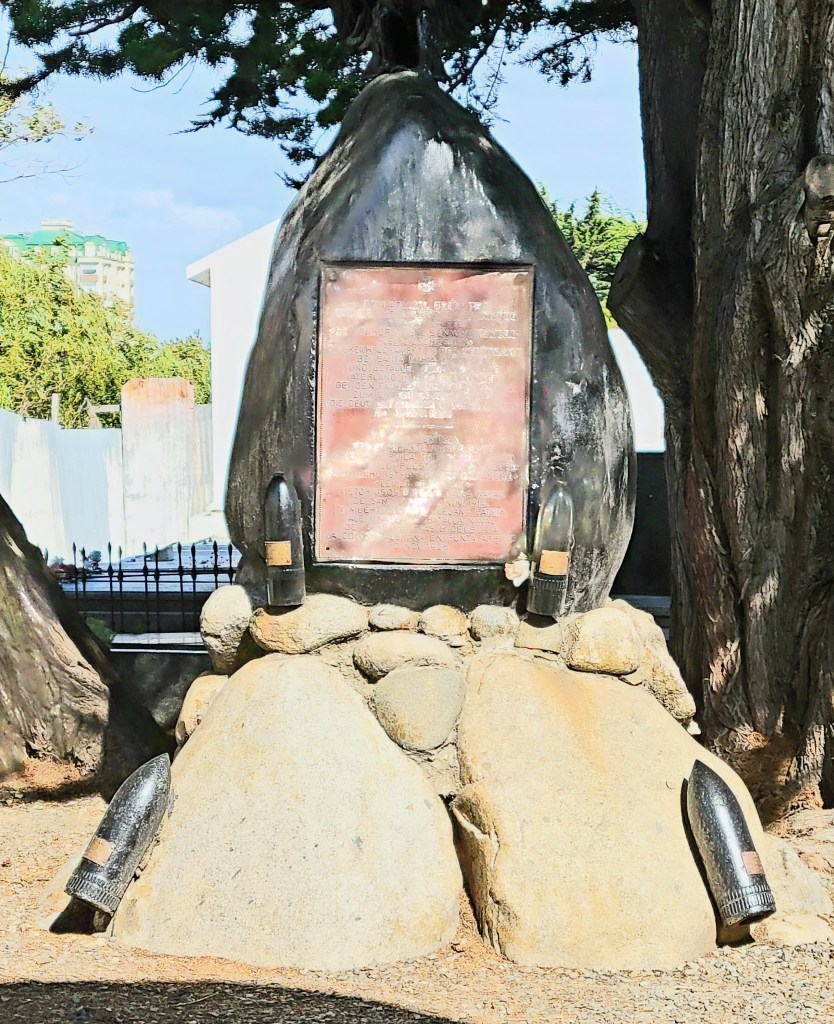
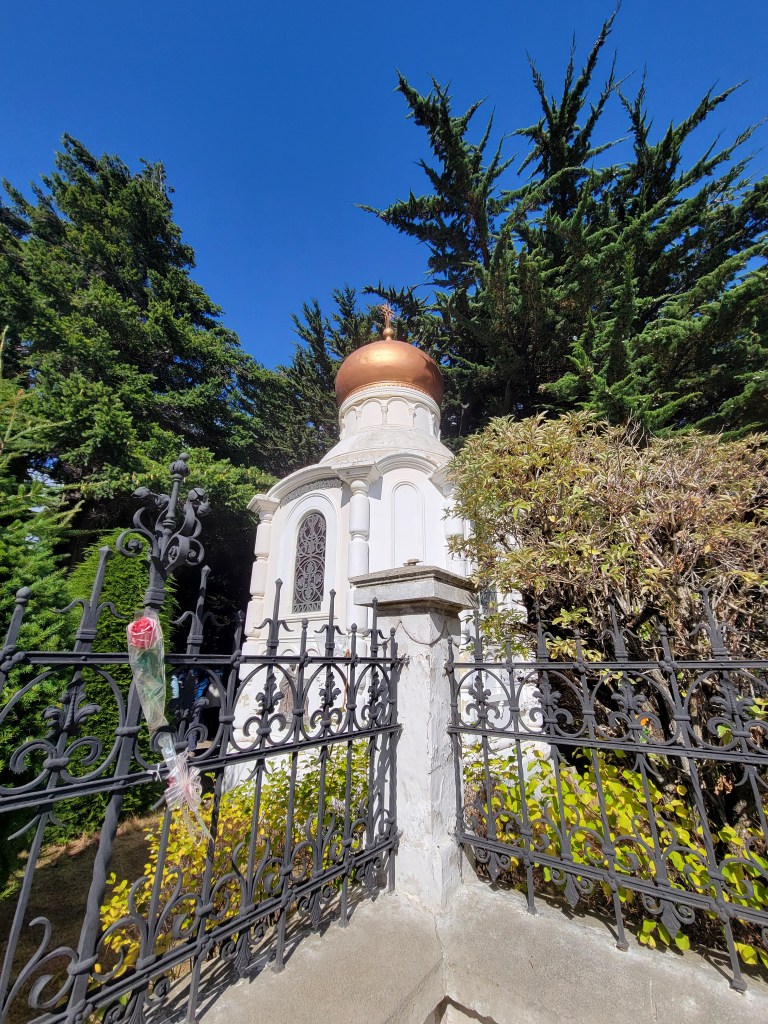
The Punta Arenas cemetery is officially called the Cementerio Municipal Sara Braun (fact not myth). The huge stone gateway was donated in 1919 by Sara Braun, the richest and most influential woman in Patagonia at the time. (Think Eva Peron in Argentina.) Urban legend has it that she asked to be only person to go through the gate when she died. This seems to be true since the main entrance has been sealed off/closed (unused rusted parts not helping), and you have to enter the cemetery through a side entrance.
This large donation may also be a reason for her having her own walled off patch of turf inside the cemetery with her elegant mausoleum and garden and trees included
The cemetery has been ranked by CNN as one of the most beautiful cemeteries in the world. It was designated a National Monument of Chile in 2012.

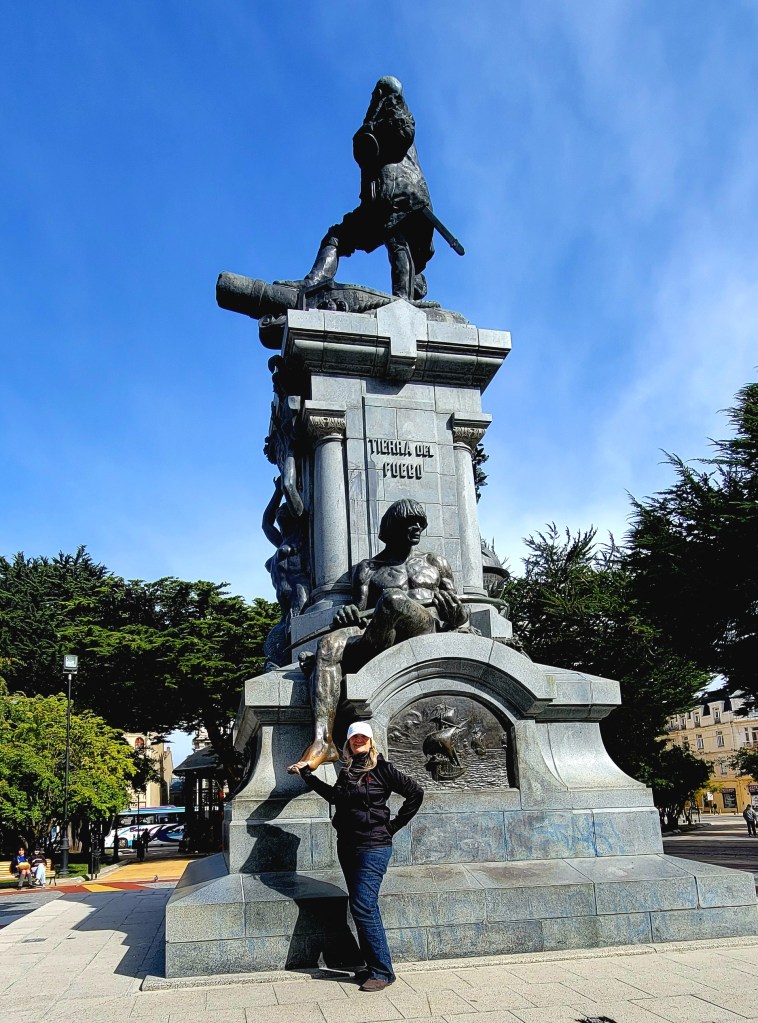
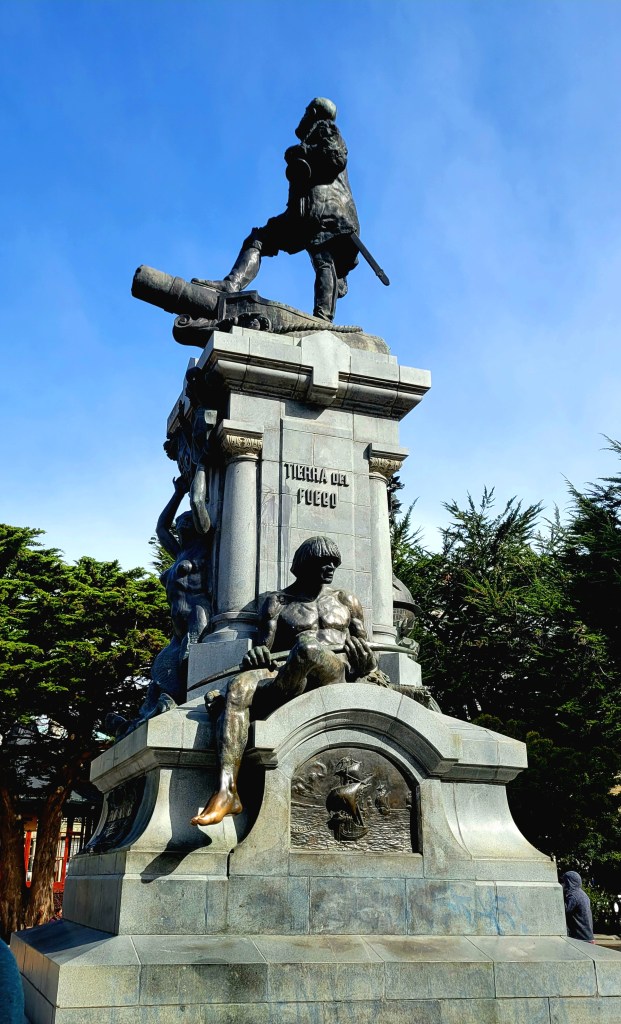
Plaza de Armes you will find the Monument to Ferdinand Magellan. It is located in the center of the Muñoz Gamero square, in the city of Punta Arenas. It was inaugurated in 1920 and dedicated to the commemoration of the fourth centenary of the discovery of the Strait of Magellan by Western navigators. This monument corresponds to a large sculpture (10 meters high), made of bronze, on a cement base and with a bronze plaque by the sculptor Guillermo Córdova at the request of the Spanish businessman José Menéndez. The sculpture represents the Portuguese explorer Ferdinand Magellan, who set sail from the port of Seville on August 10, 1519, in command of five ships that undertook the voyage of circumnavigation of the planet: the Trinidad, the Concepción, the San Antonio, the Victoria and the Santiago. Only the Victoria completed the entire voyage. The objective of Magellan’s voyage was to find a navigation route through the waters of the extreme south, to reach the Moluccas Islands. Ferdinand Magellan standing tall on a cannon and with his hat in his right hand. On one side of the cement base there is a bronze sculpture of a Patagonian indigenous man and, on the other side, a sculpture of a young woman with her arms raised. According to local tradition, touching the foot of the Patagonian man ensures a return to Patagonia. The statue is surrounded by a lovely garden and beautiful trees creating a picturesque setting at the heart of Punta Arenas.

 Suzi Travels
Leave a comment