Coquimbo, La Serena, Vicuna, Chile
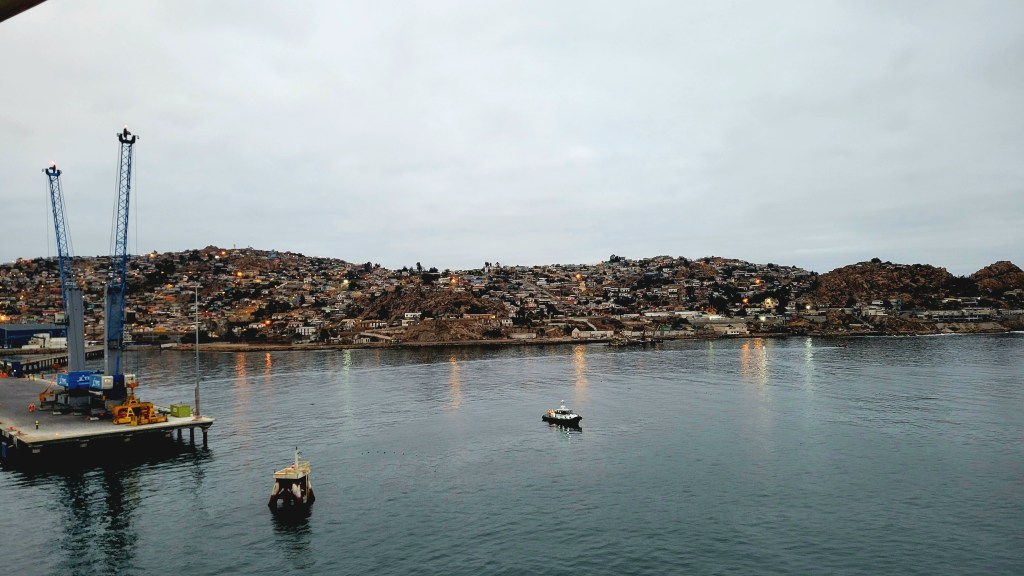
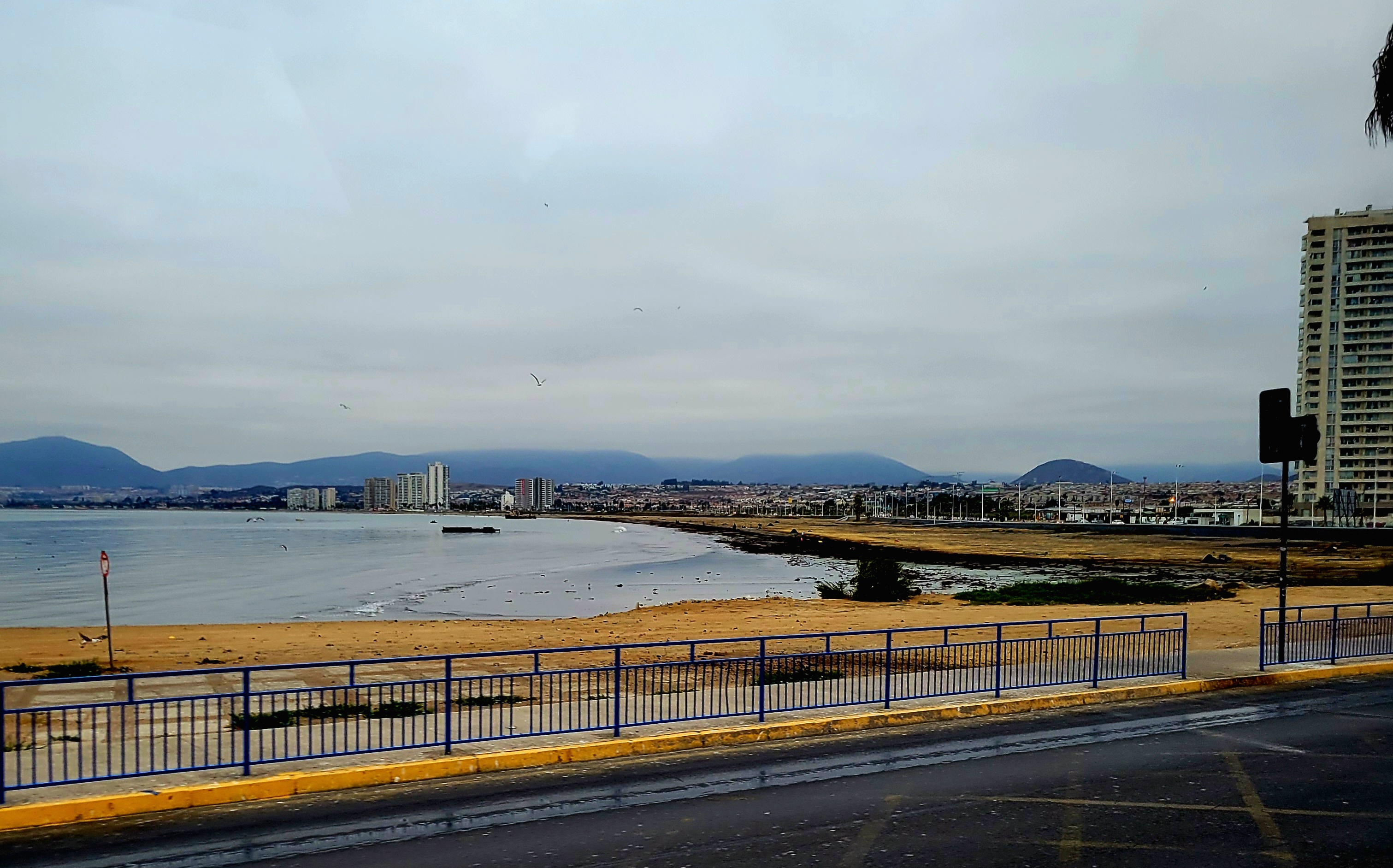
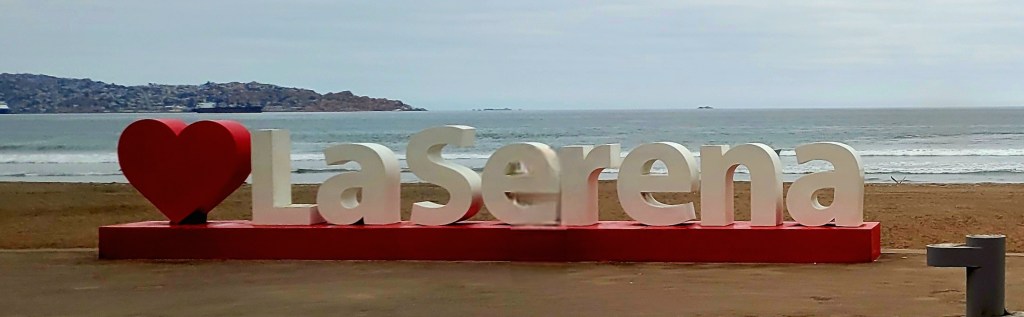
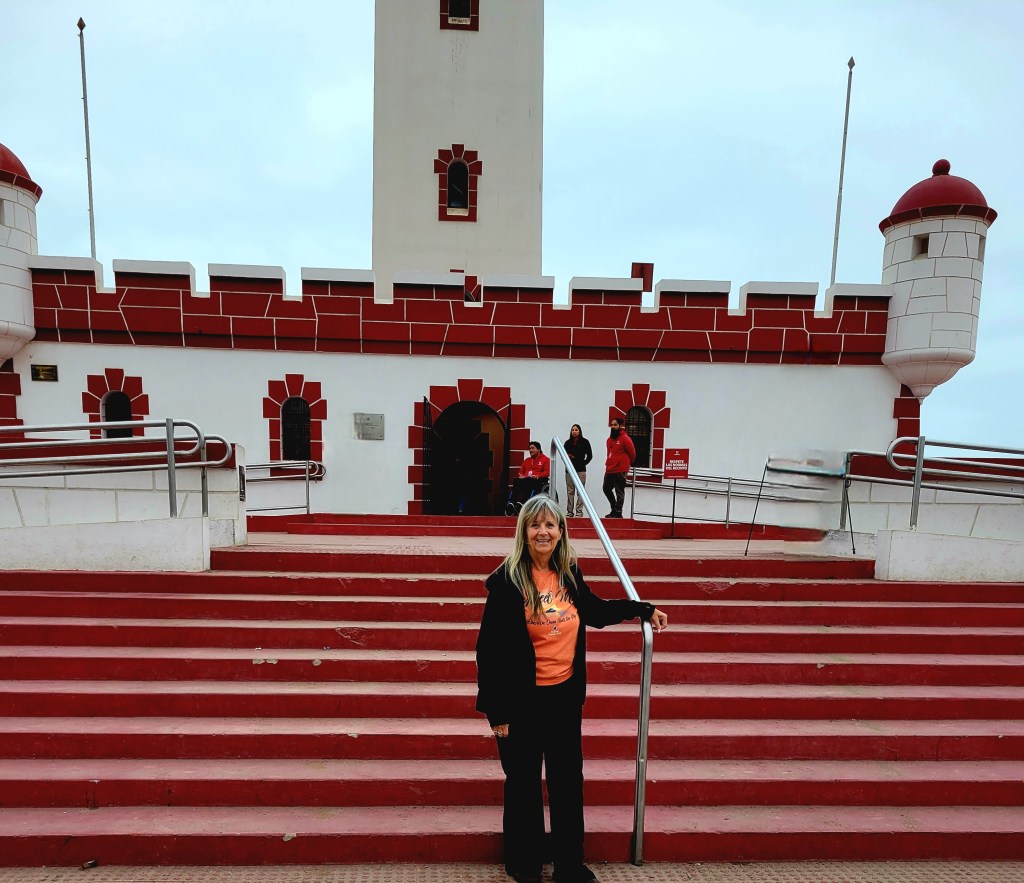
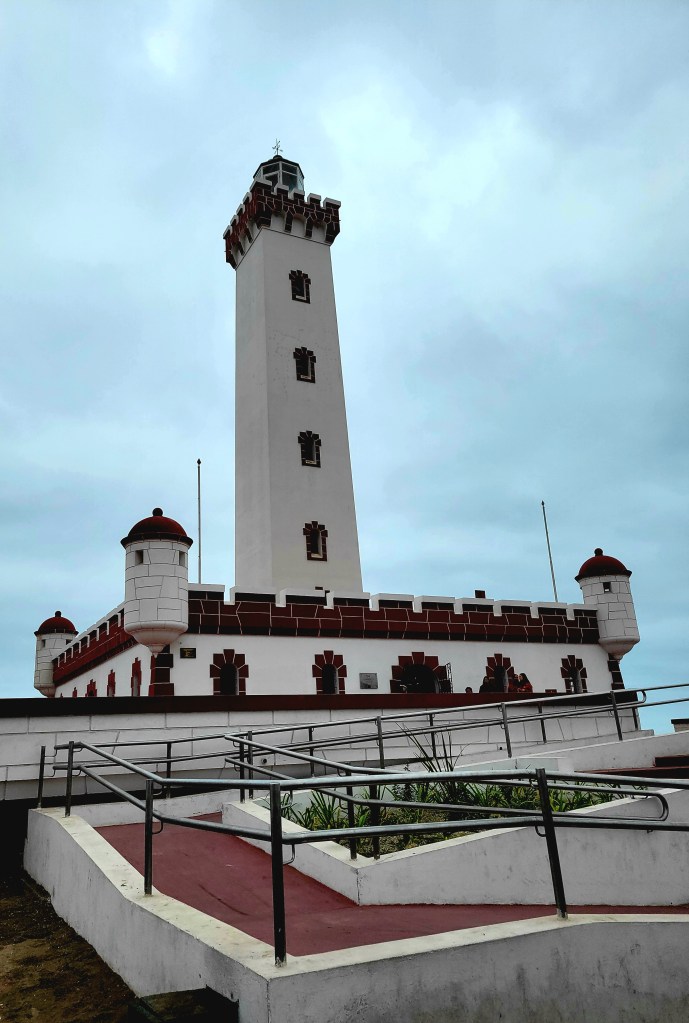
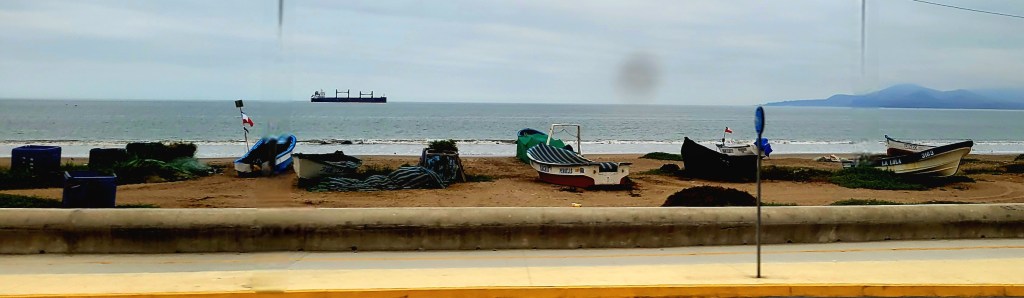
Early morning arrival into Coquimbo. The area was originally occupied by indigenous people, who used it as a settlement and for fishing purposes. The name means still water. The natural harbor in Coquimbo was taken over by Pedro de Valdivia from Spain in 1550. In 1879 it was recognized as a town. It is a port city, commune and capital of the Elqui Province, located on the Pan-American Highway, in the Coquimbo Region of Chile. La Serena, 6 miles north, was established in 1844 and has a population of 250,000. This is a beautiful beach town, with a huge fishing presence. There was a big fresh fish market, and many stands set up along the road, selling fresh fish. There is also a co-op that collects seaweed from the beaches, dehydrates it and sells it to Asia, for use in cosmetics. The lighthouse is a famous picture spot.


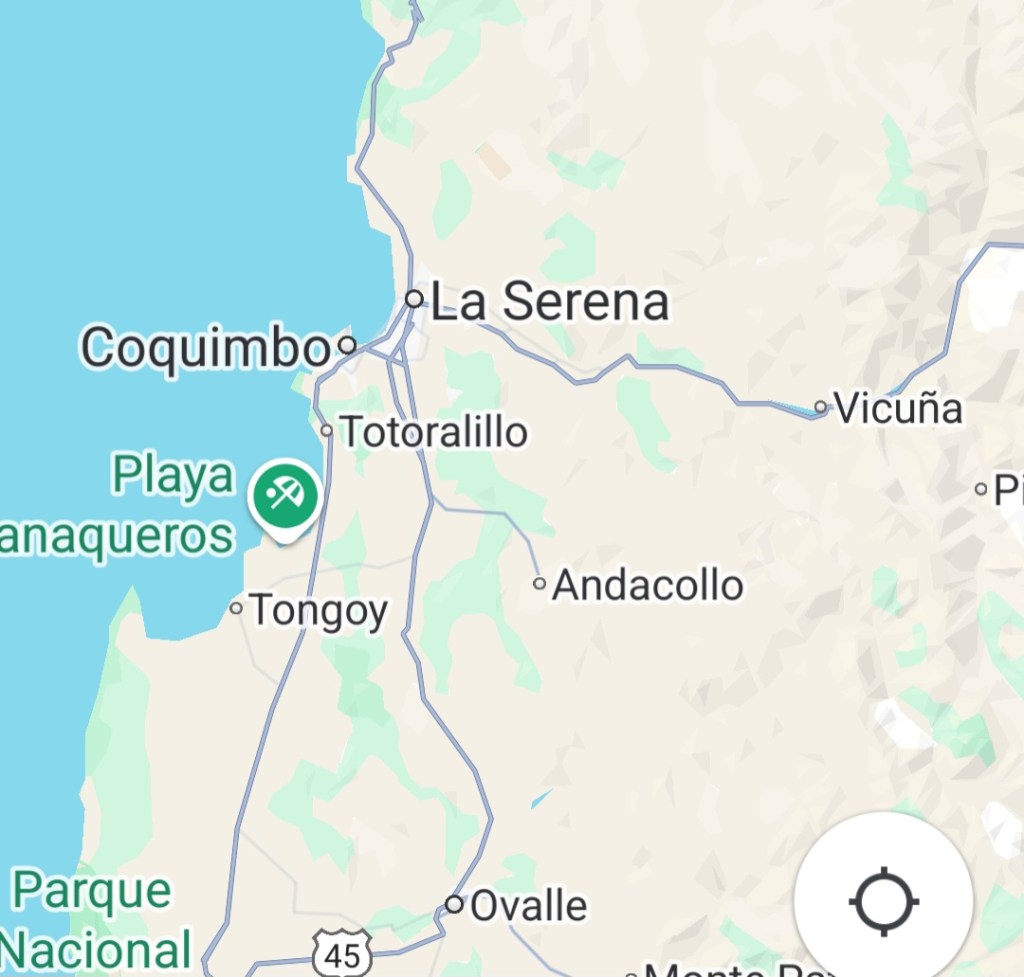
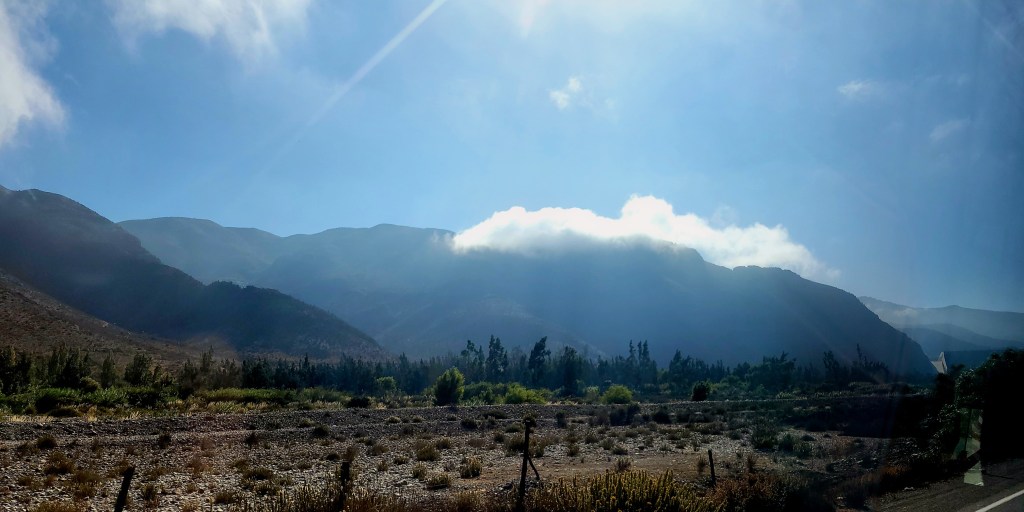
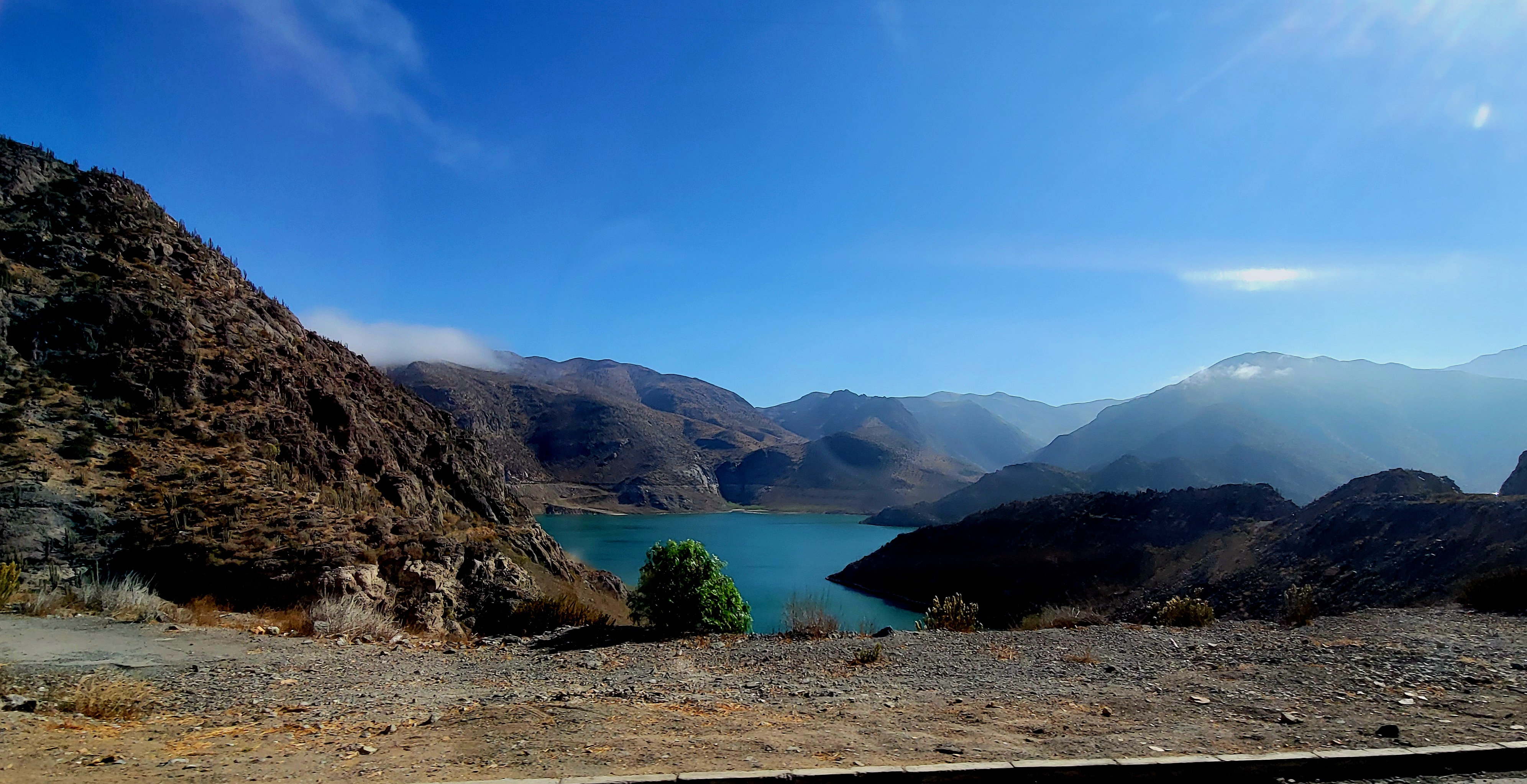
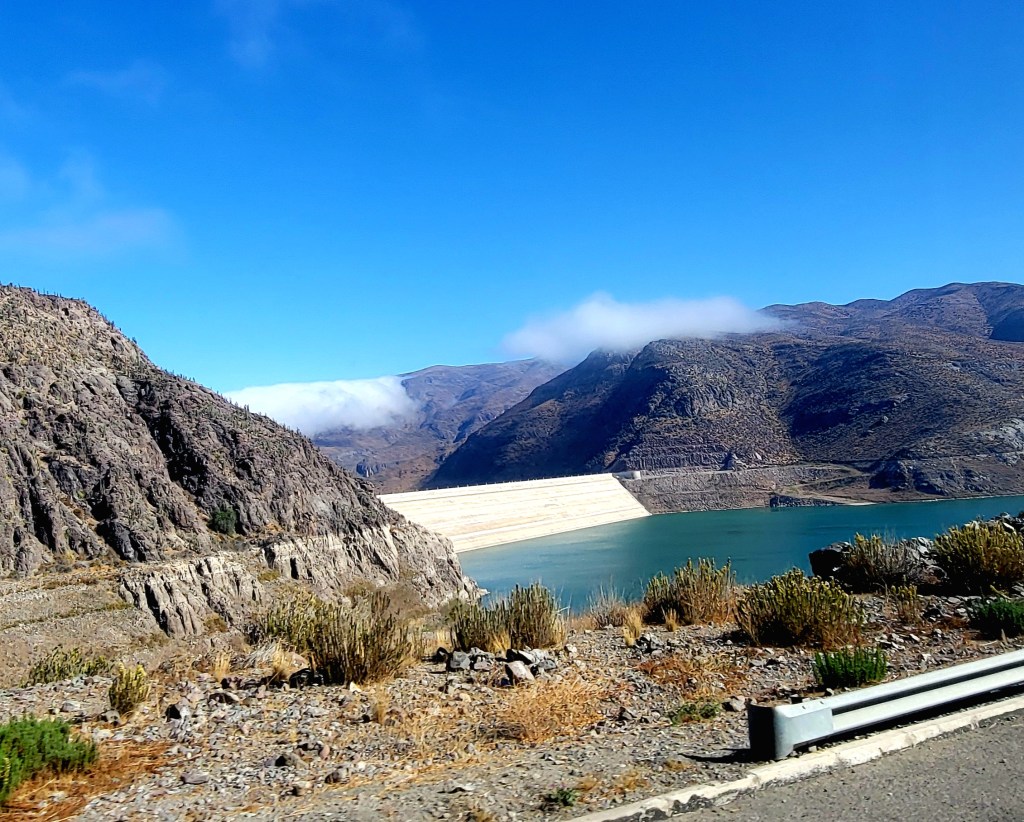
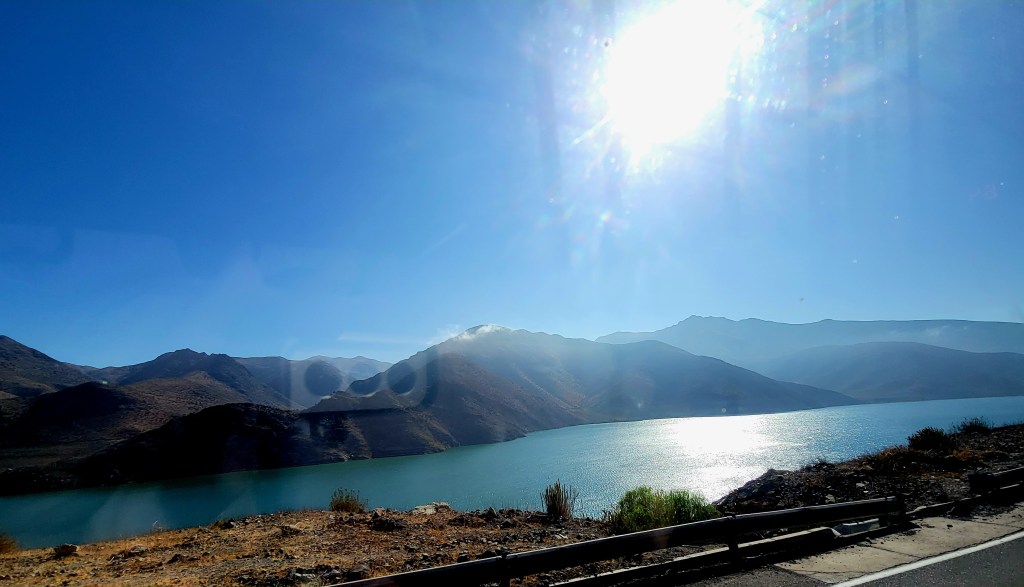
Elqui Valley is a wine region situated alongside the Elqui River in northern Chile. The region lies 250 miles north of Santiago, at the southern end of the Atacama Desert in the Coquimbo region. The Elqui River starts in the west Andes and flows into the Pacific Ocean near the city of La Serena. It flows through a wine and pisco producing area. It was beautiful and so different from any of the landscapes we’ve seen. More desert like with lots of cactus.



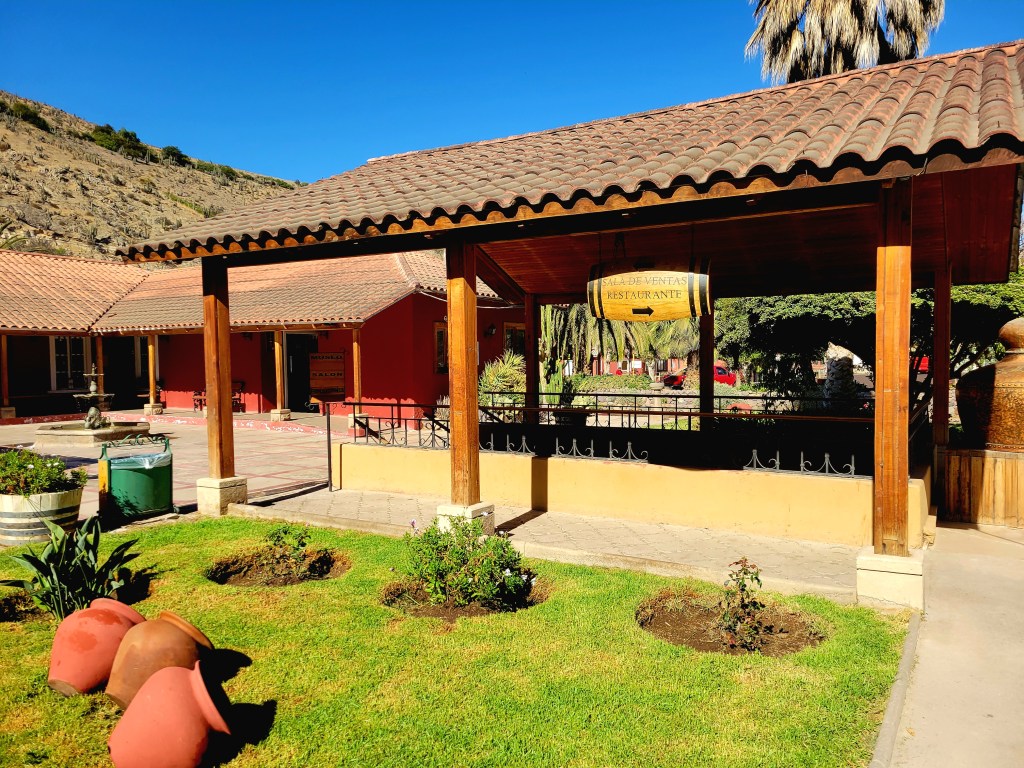
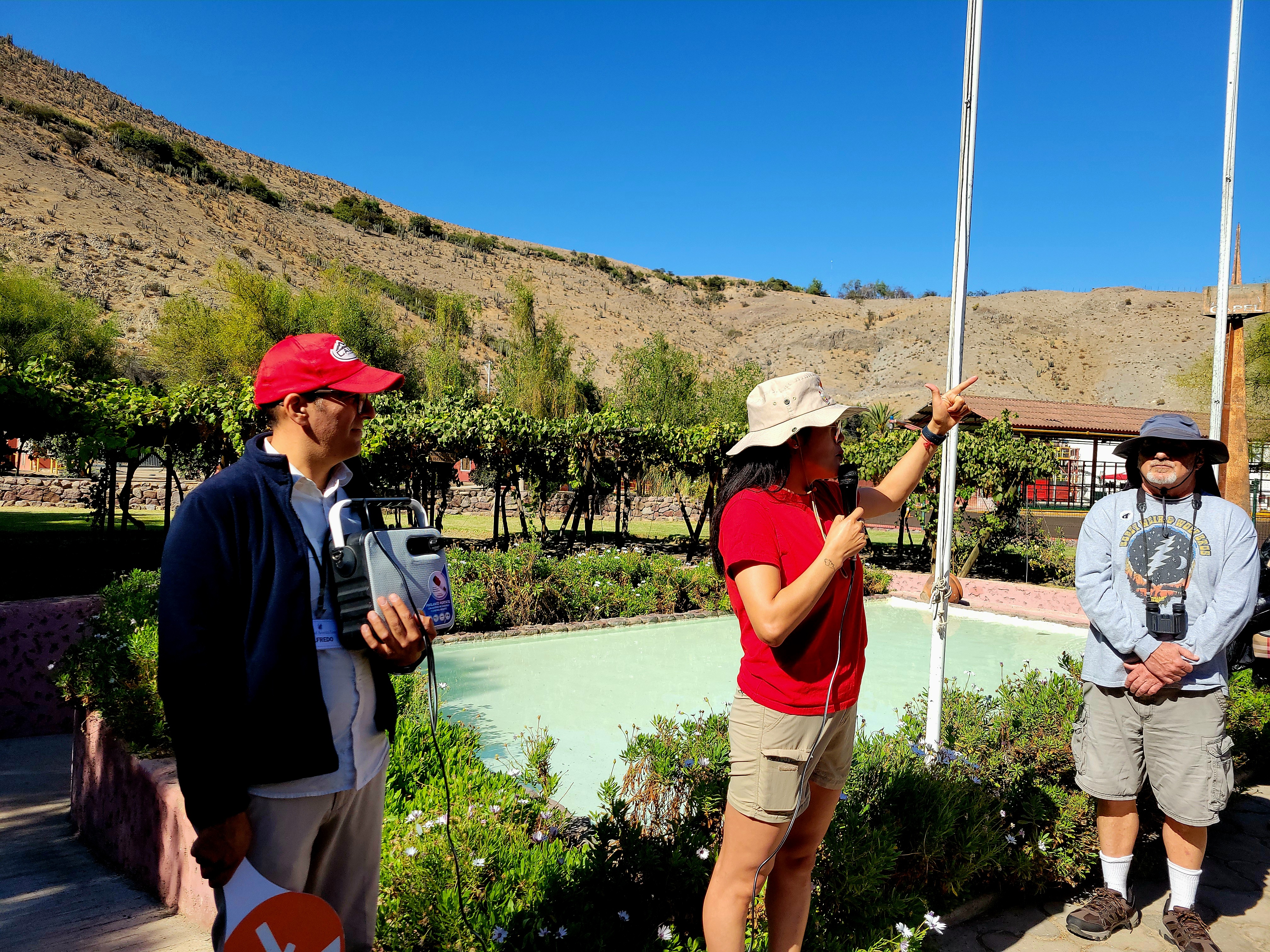
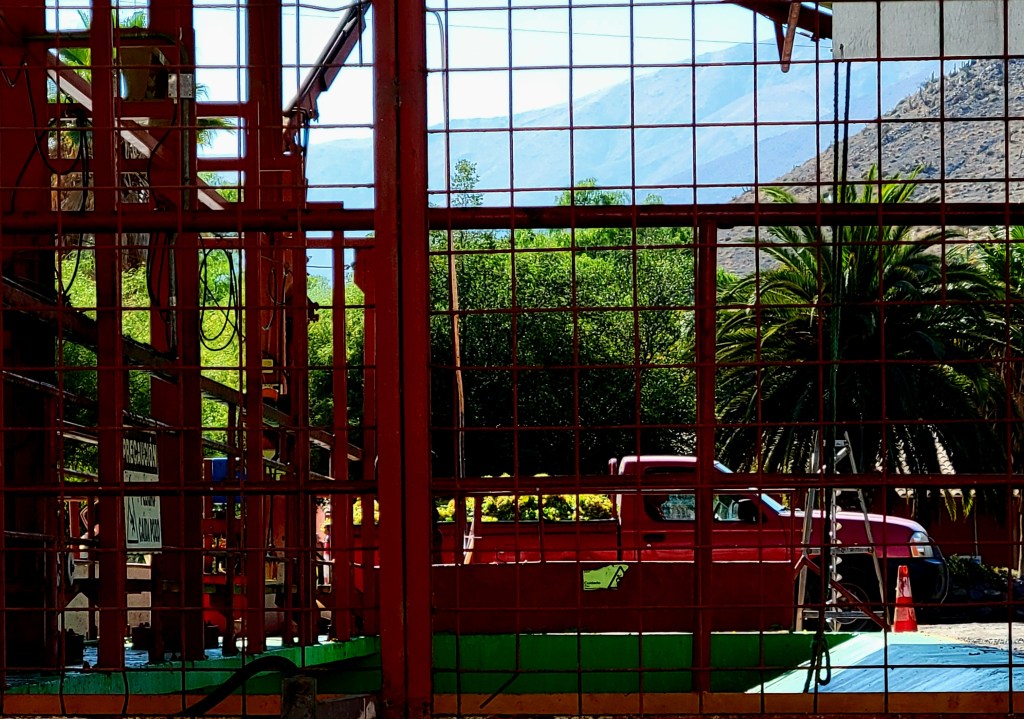
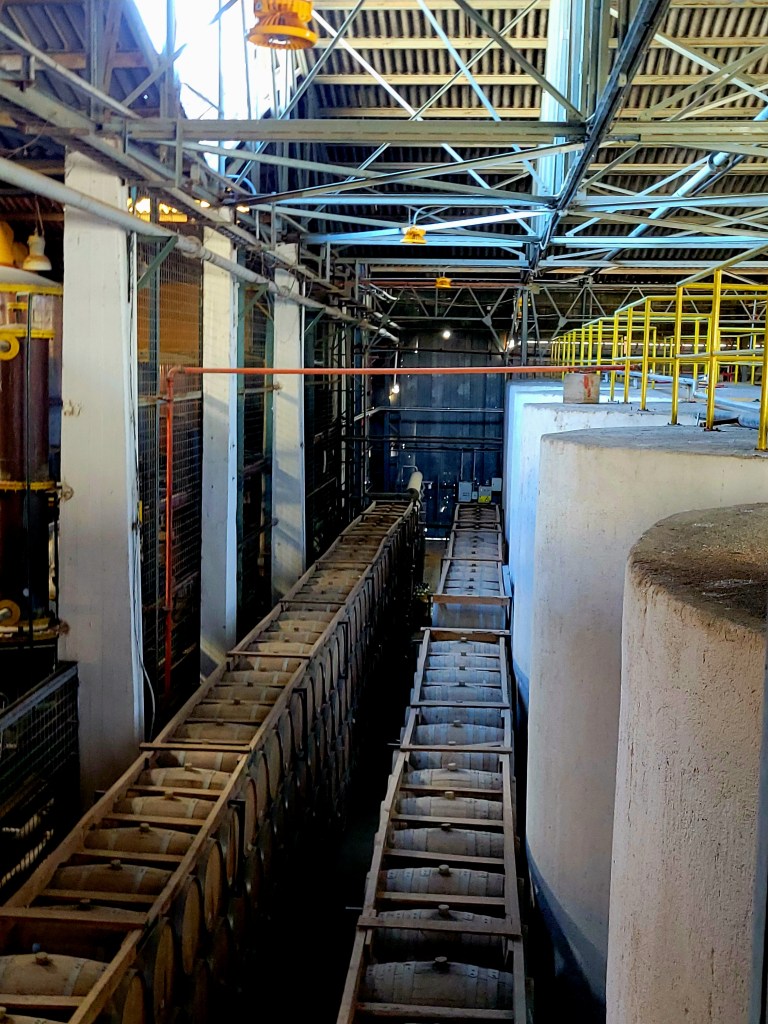
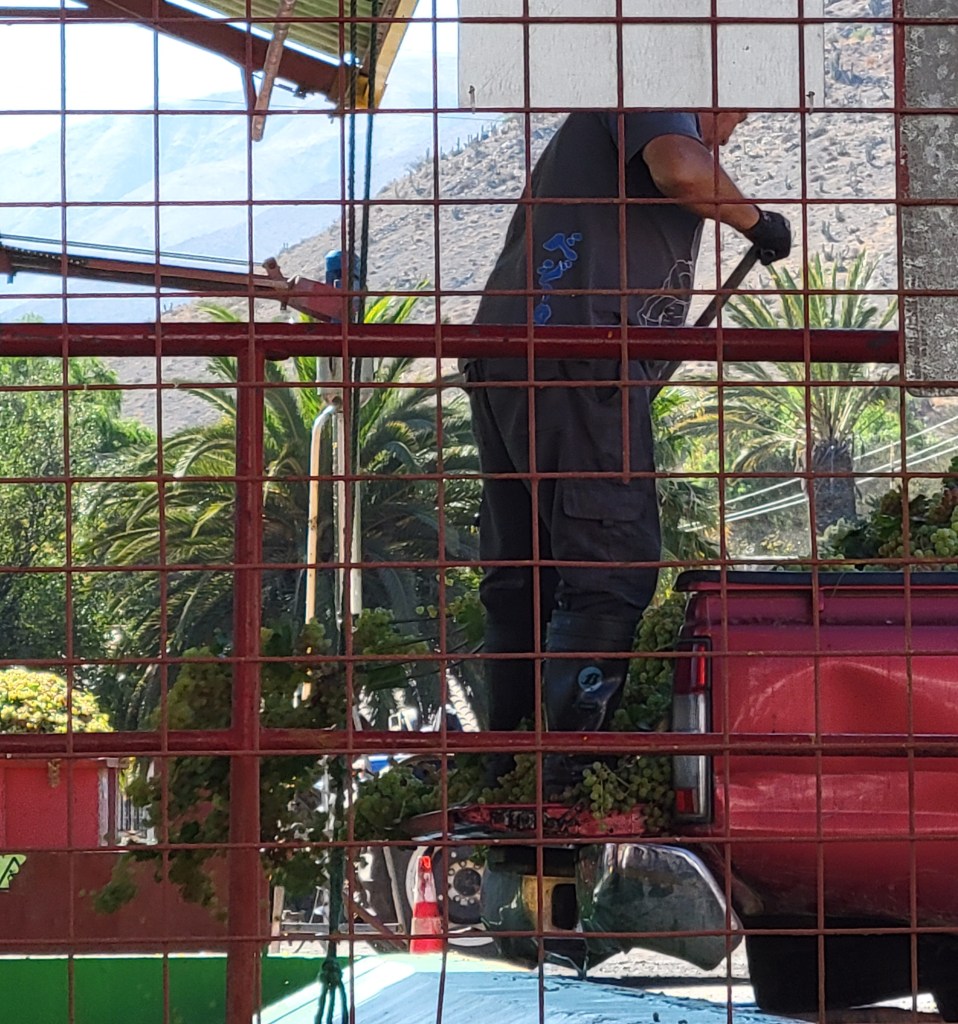
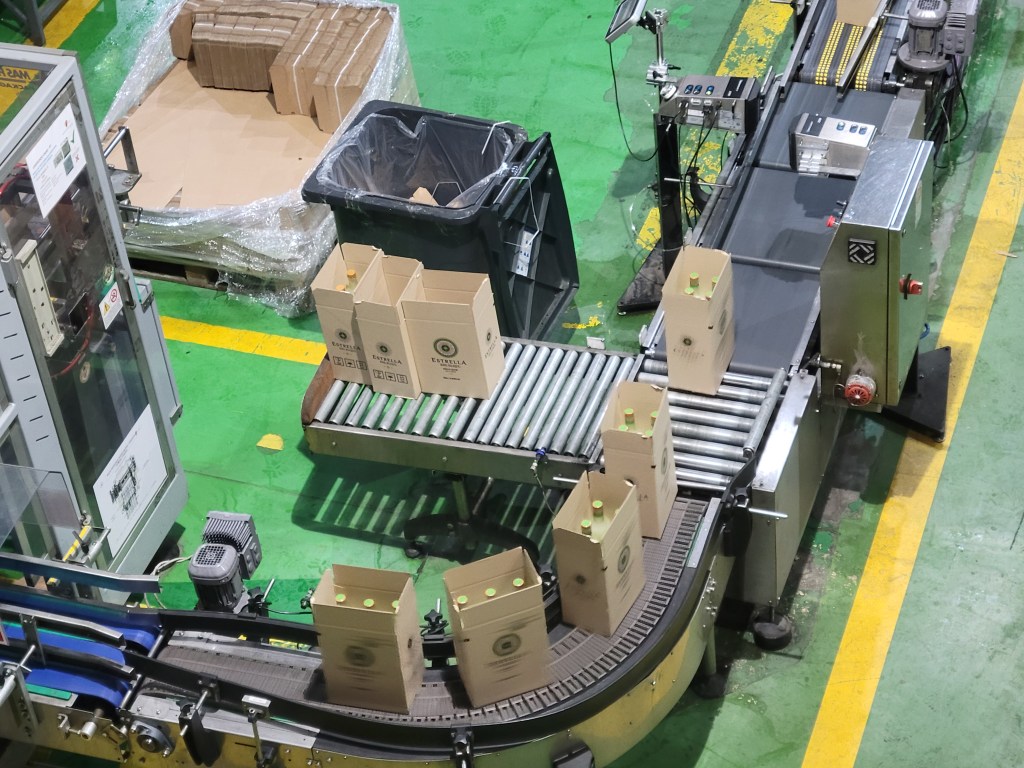
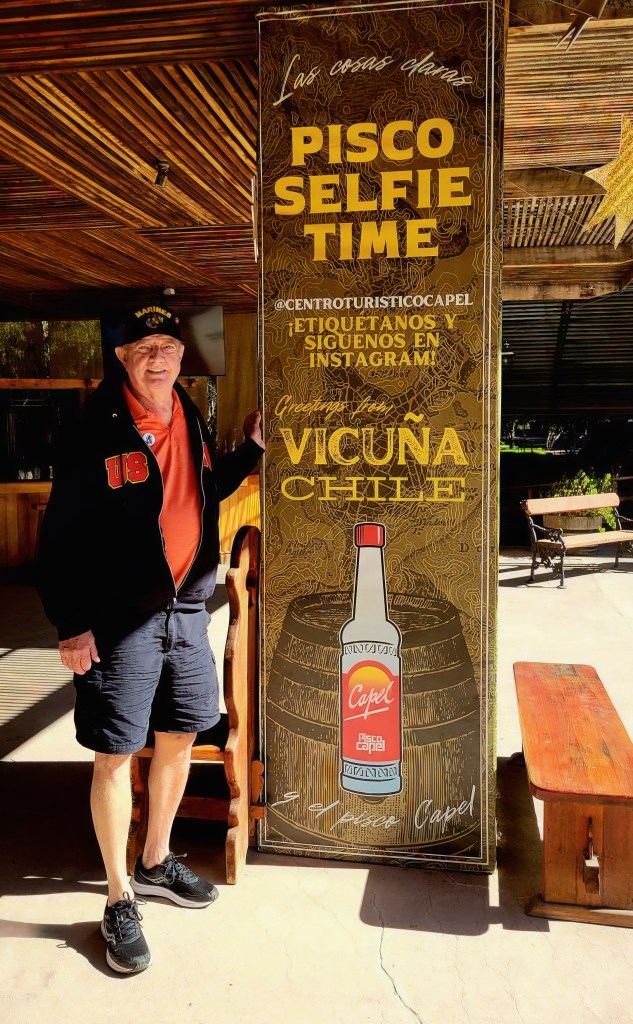
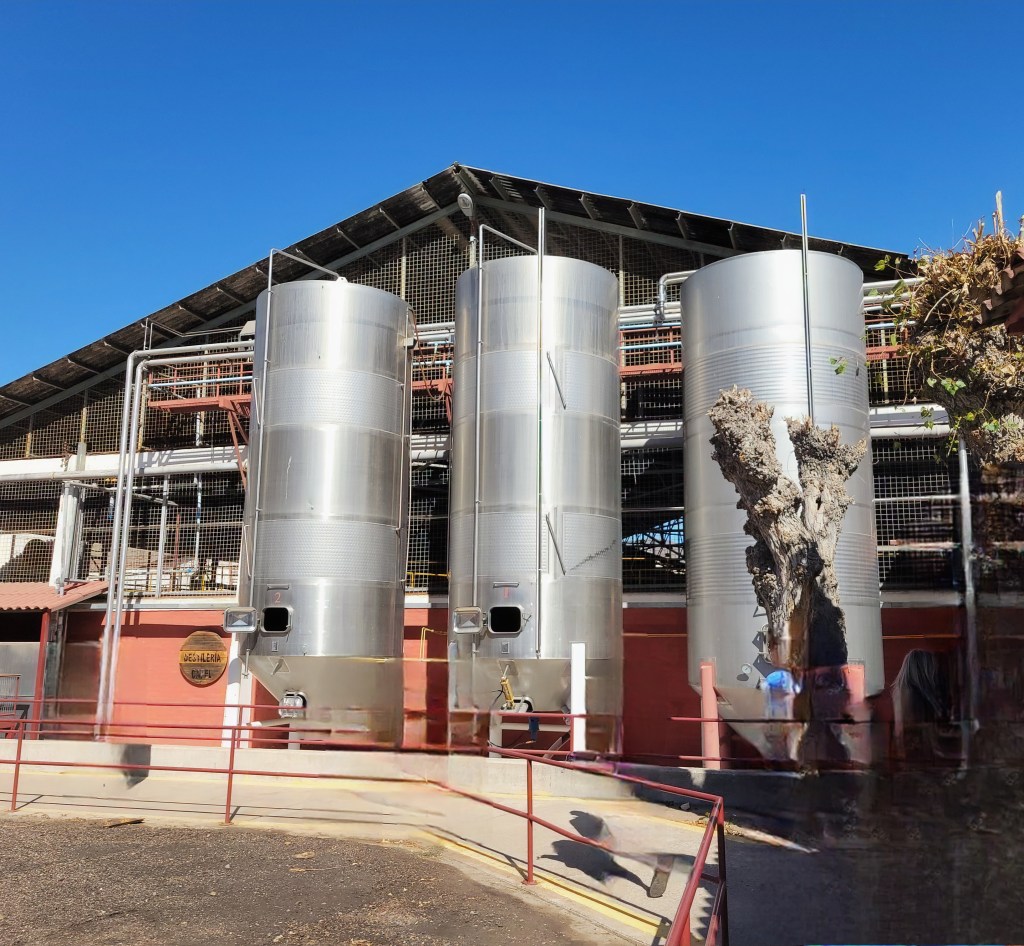
Capel Distillery established in 1938 as a cooperative with about 25 farms. Today there are closer to 800 farms. They produce wine and pisco. This facility can produce 17,000 bottles PER HOUR !!! Regulation for pisco production in Chile is quite high. Chilean pisco must be made in the country’s two official D.O. (Denomination of Origin) regions—Atacama and Coquimbo—established in 1931 by the government. Chilean distilleries are required to grow their own grapes and are grouped into two categories based in aromatic expressiveness: Muscat types (Pink Muscat, Muscat of Alexandria) are very fragrant, while Pedro Jiménez, Moscatel de Asturia and Torontel are more subtle. At the end of the tour, we sampled a Pisco Sour in the showroom, and of course bought some Chilean Pisco to bring home.






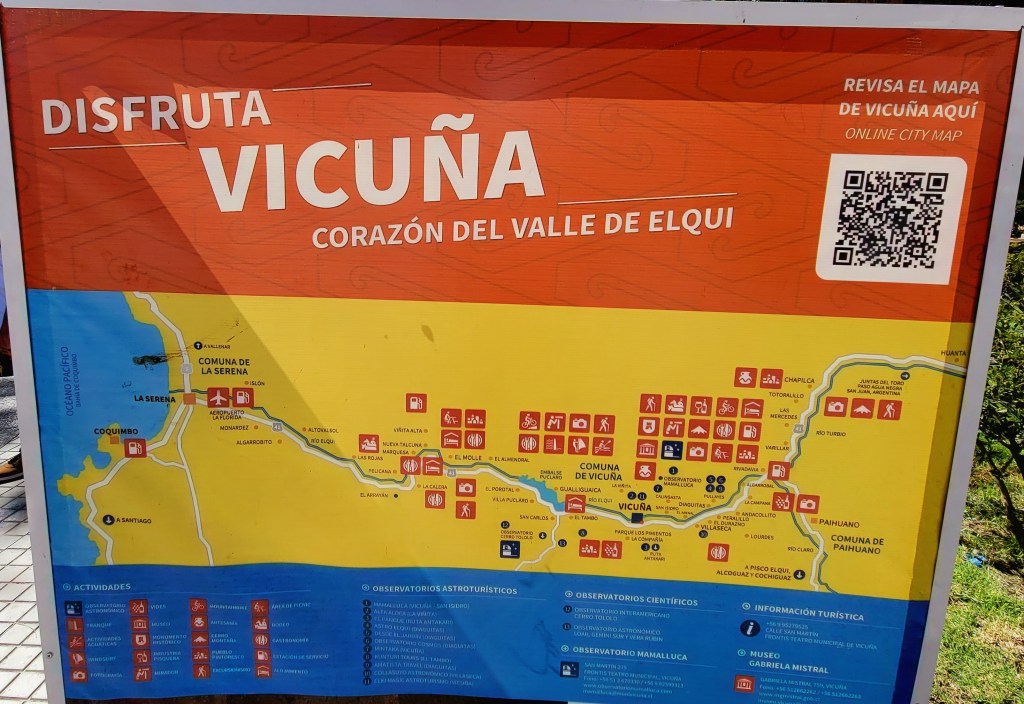
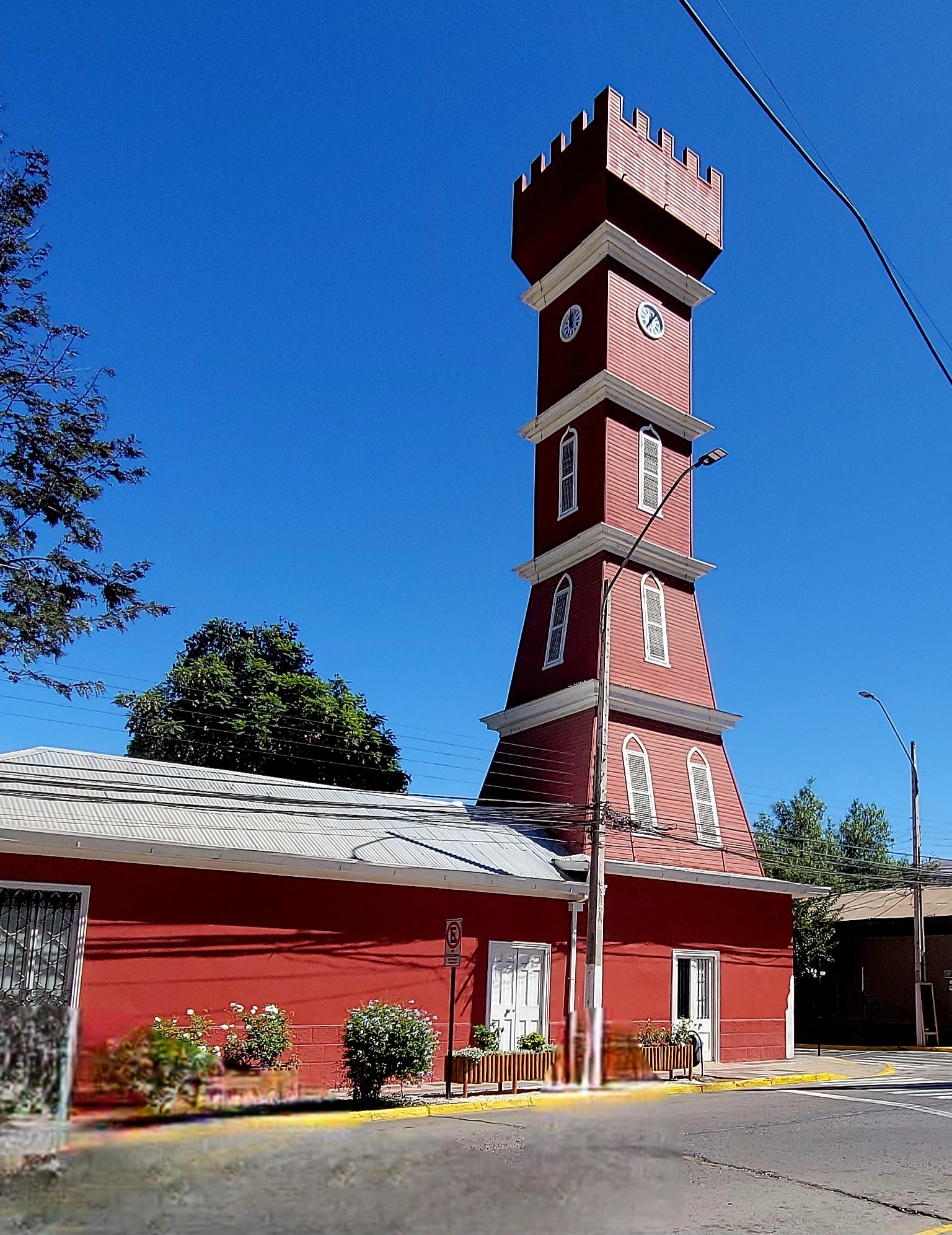
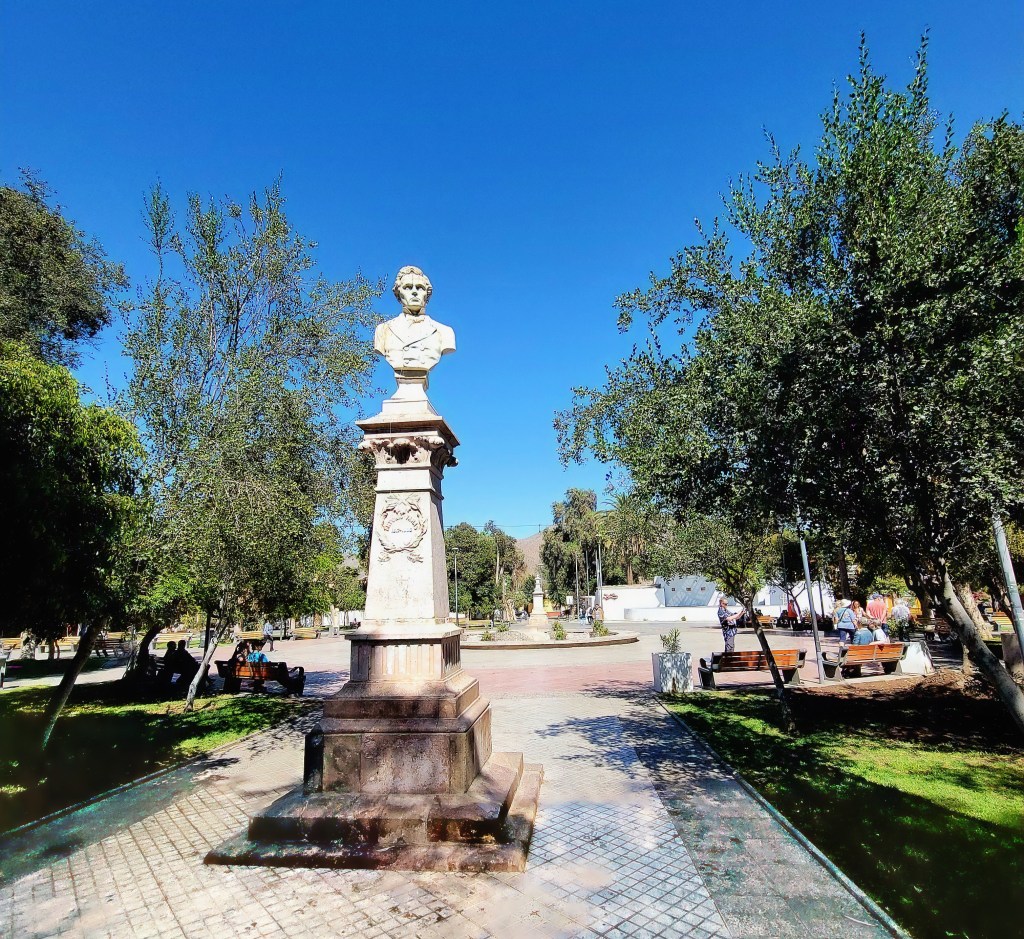
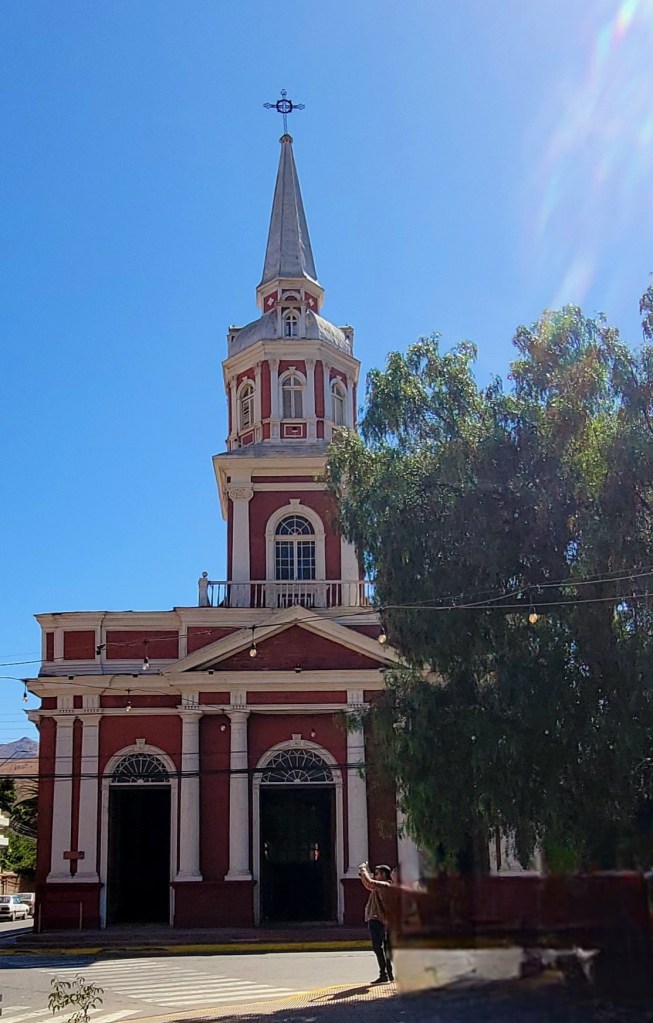
Vicuña, the main town of the middle valley, was the home of Nobel Laureate poet Gabriela Mistral. It is also where we had our lunch at Halley’s Restaurant. It was delicious, an empanada, Corn casserole, some crackers, cheese & salami, and their famous Chilean papaya for dessert. It included a pisco sour, coke, water and delicious wine.
 Suzi Travels
Leave a comment