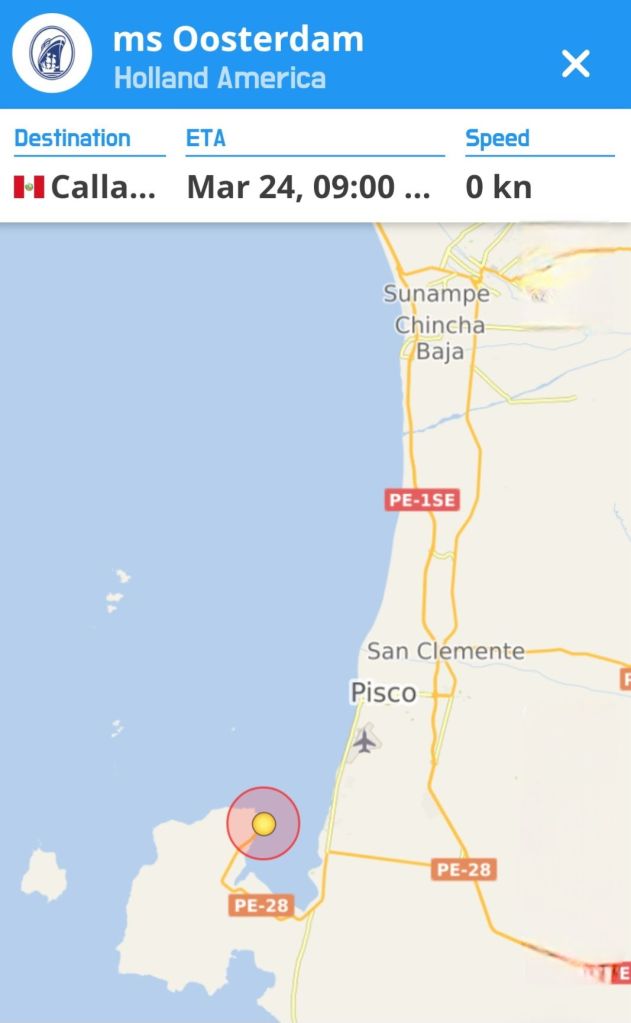
General San Martin (Pisco), Peru
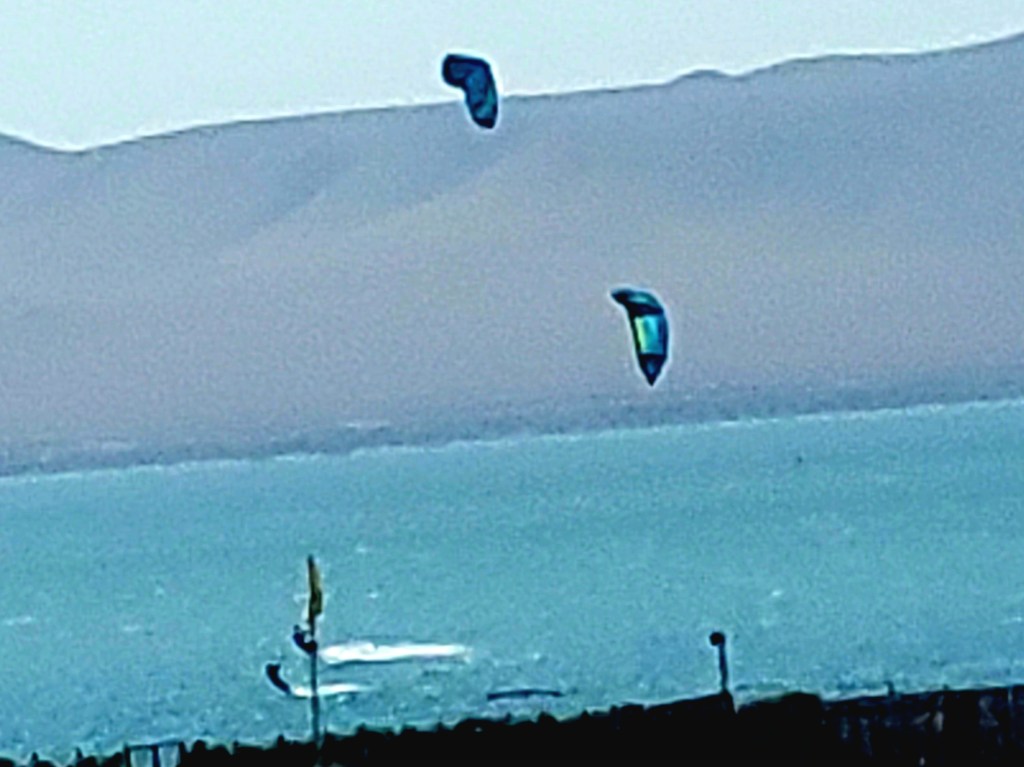
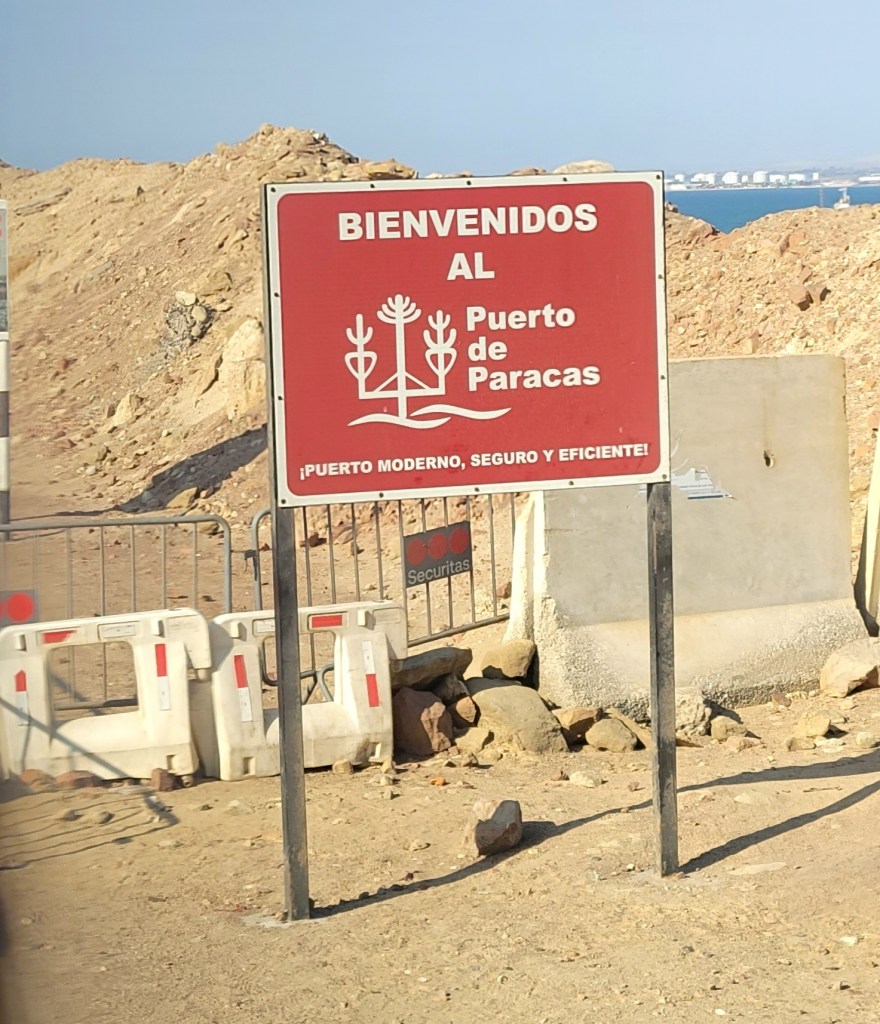
Paracas, also known as El Chaco, is a small port town in the Pisco province of southern Peru, about 4 hours south of Lima. The town is an ideal departure point for the Ballestas Islands (often called the “Peruvian Galápagos”) and the enormous Paracas National Reserve, a gorgeous desert peninsula which acts as a protected area for wildlife and is an important archaeological zone as well. Paracas culture began around 200 BC. The name means sandstorm. There was a devastating earthquake in 2007 that wiped out most of the city. It has since been rebuilt hotels and restaurants on the coastline.
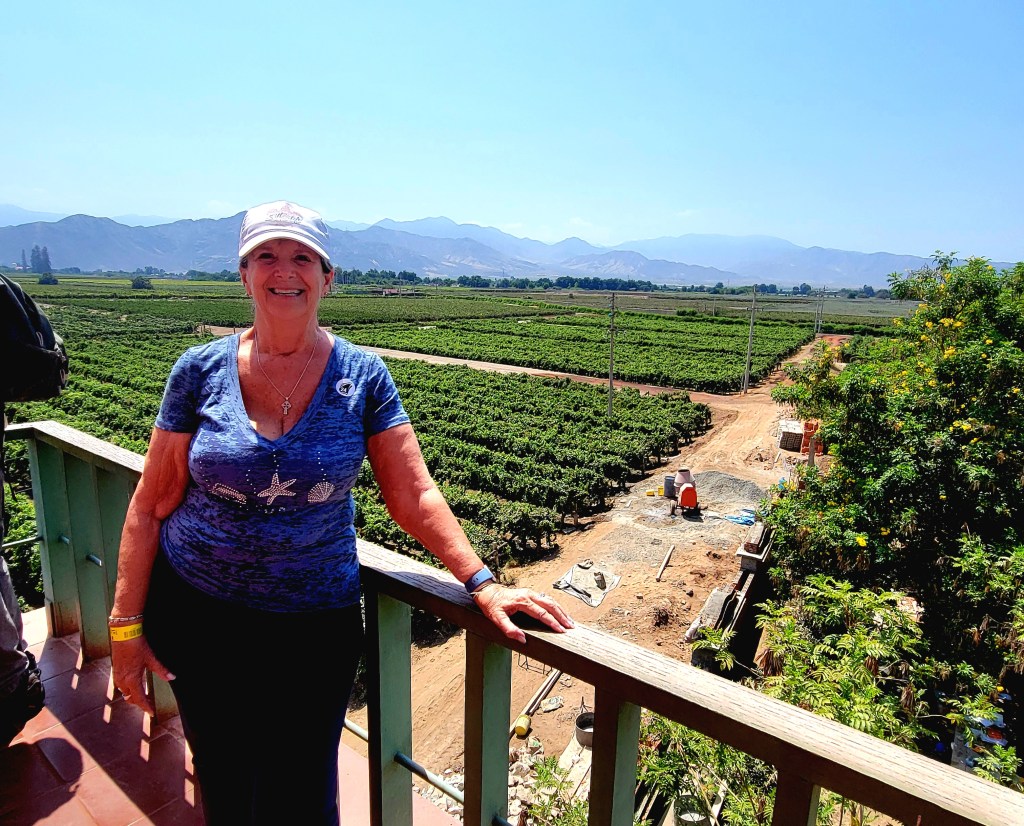
The Ica Valley is an oasis known by Peruvians as the Land of the Sun, thanks to its many warm, rain-free days. The valley is blessed with Pacific Ocean breezes, soil not unlike the best wine-growing regions in France, and vines fed by glacial water from the surrounding Andes Mountains. In San Juan district there are about 200 wineries.
We went into the heart of Peruvian wine country to learn about Pisco — Peru’s most famous spirit — and to sample the local cuisine. An amazing horse show pays tribute to the skills of both horse and human.
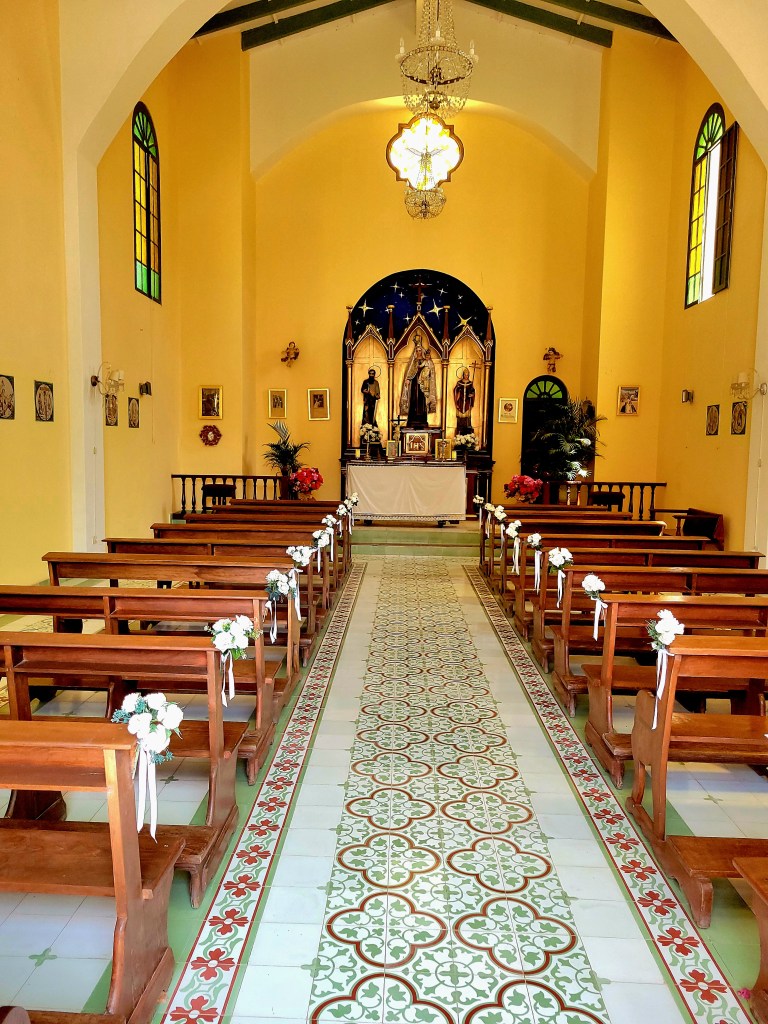
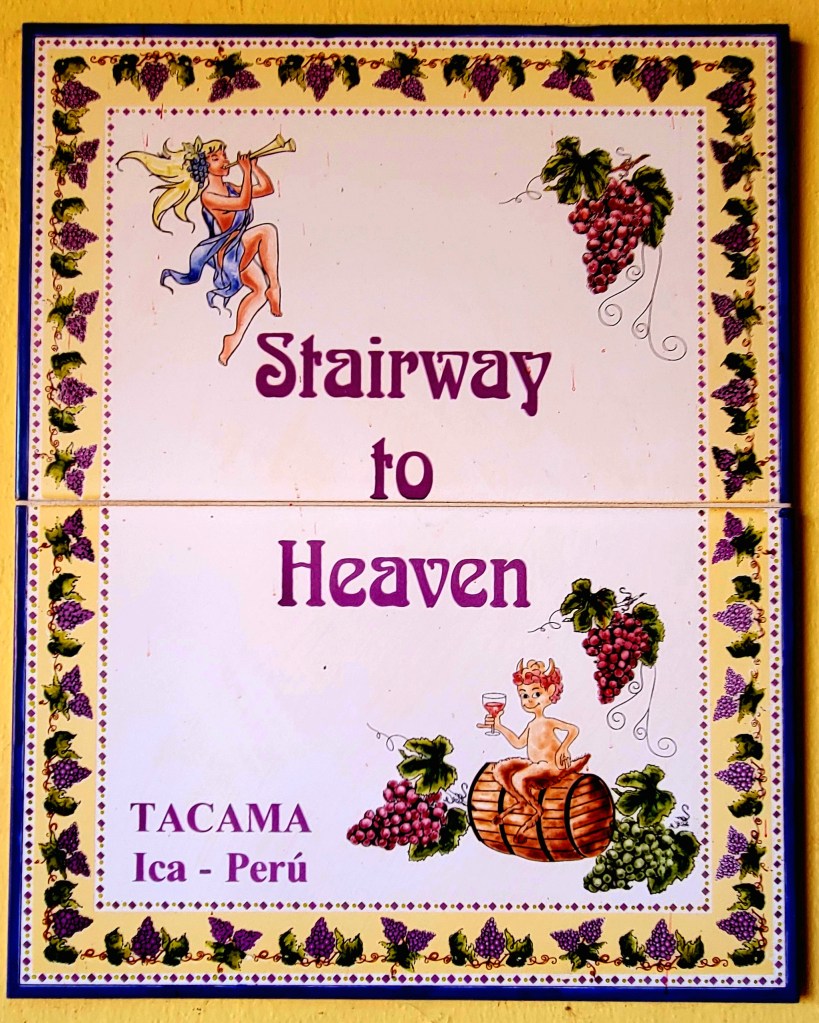
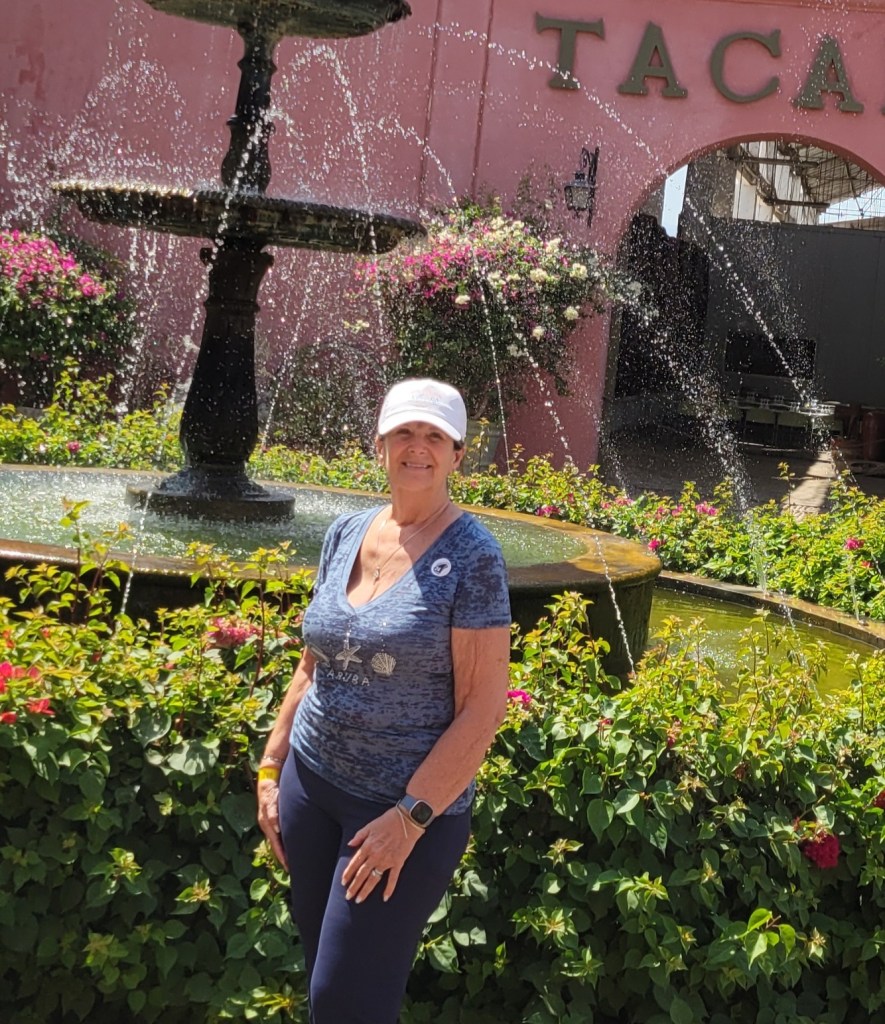
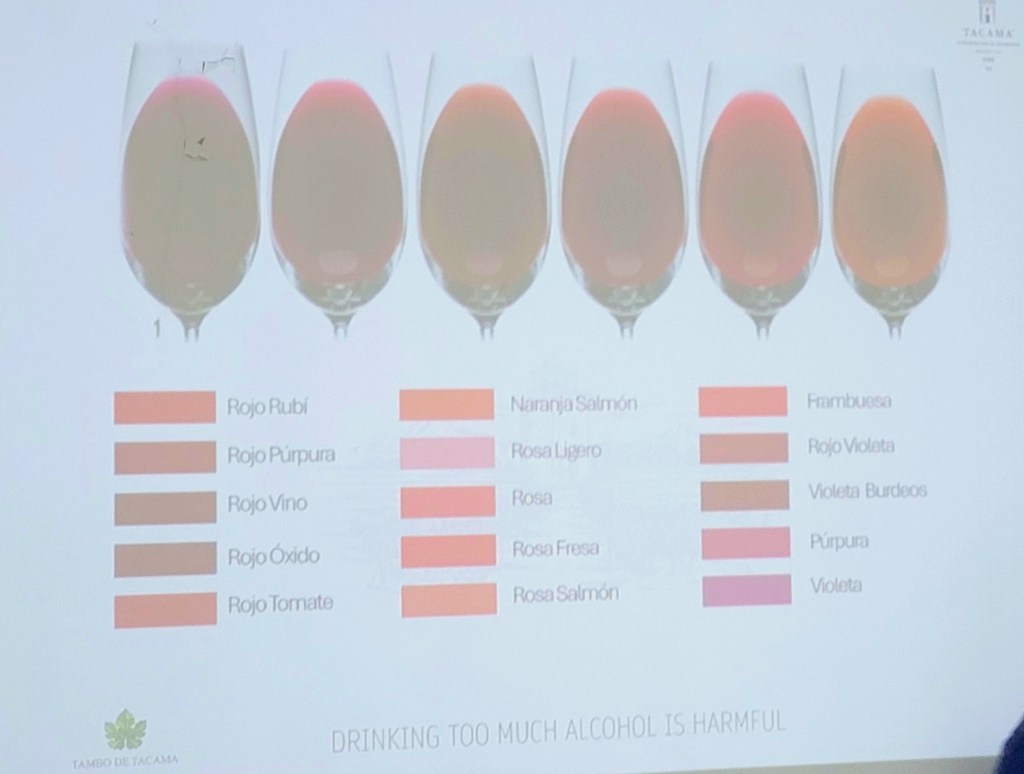
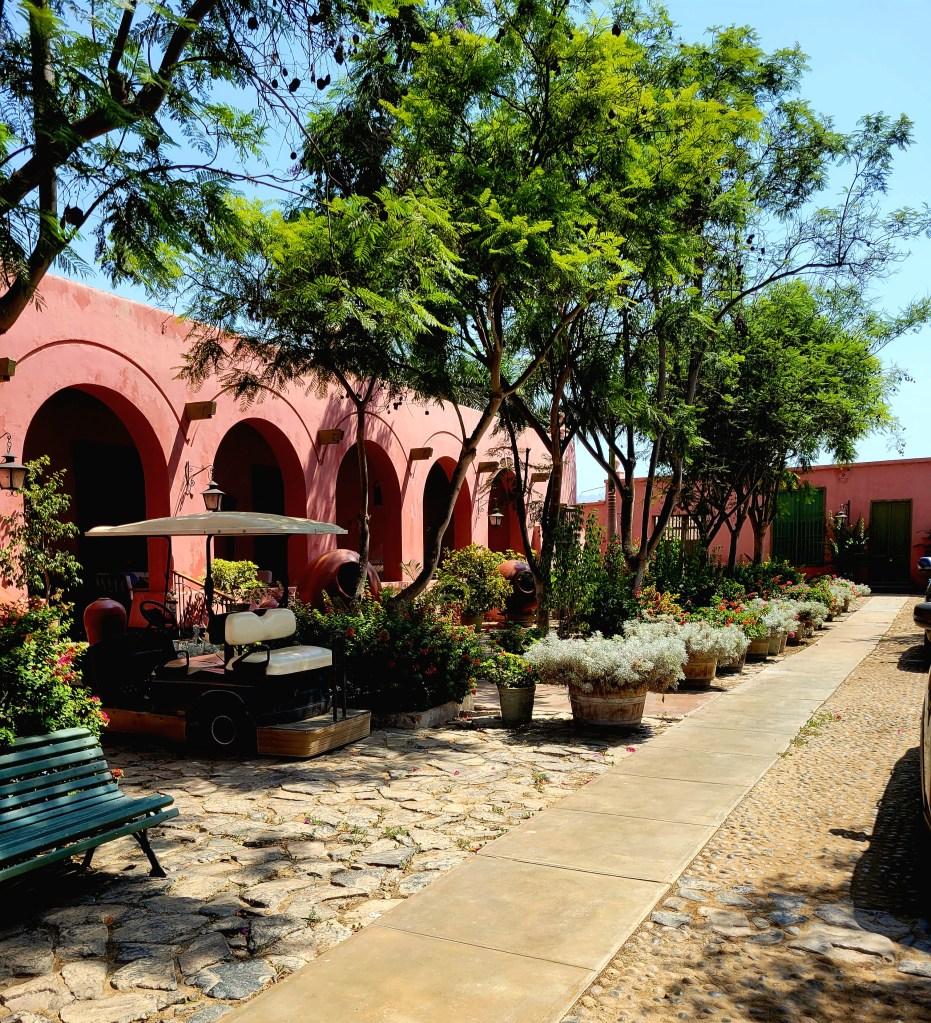
At Tacama, one of the oldest vineyards in the Americas, we saw the wine-growing process and learn about Tacama’s history and architecture. It was established in 1540. In 1821 it was a monastery. We toured the lush vineyards, visited the historical hacienda and headed to the cellar to taste three classic wines (red, white and sparkling), led by the sommelier, as well as Pisco. A locally produced cheeseboard accompanied our tasting.
We spent a very long day doing all there was to do here and we are tired.


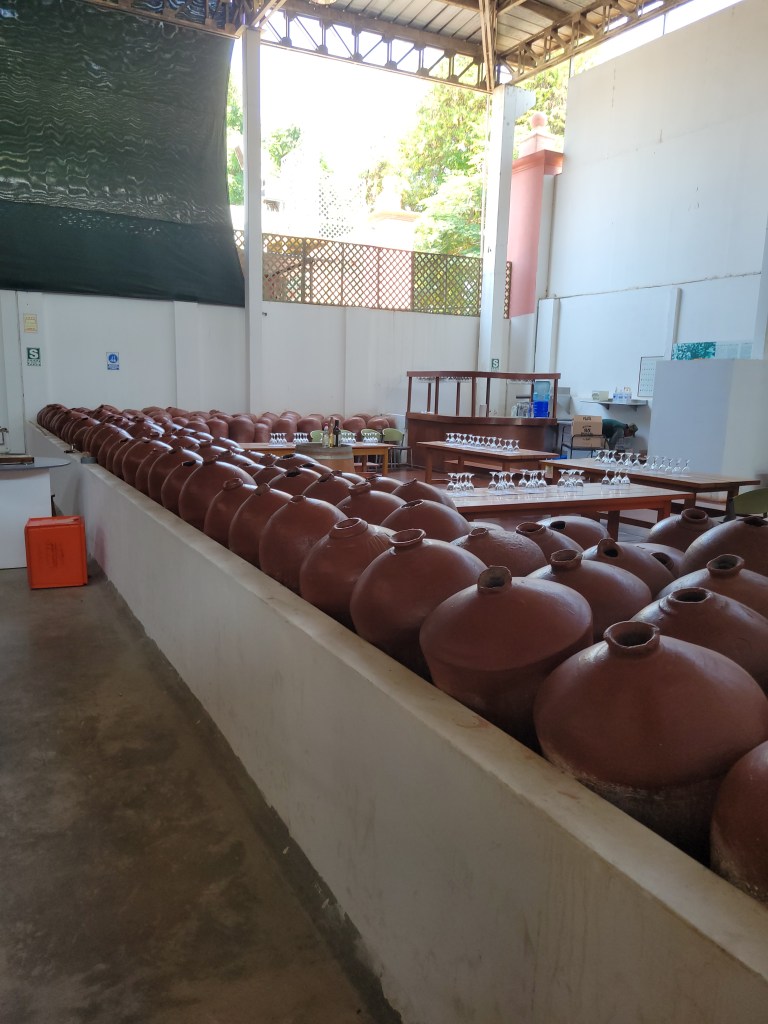
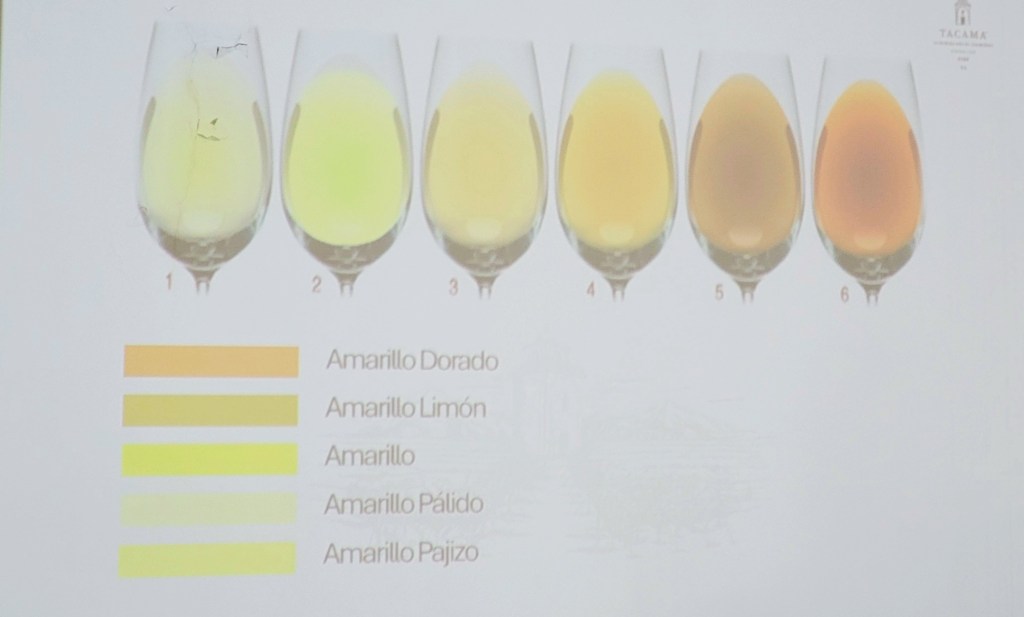



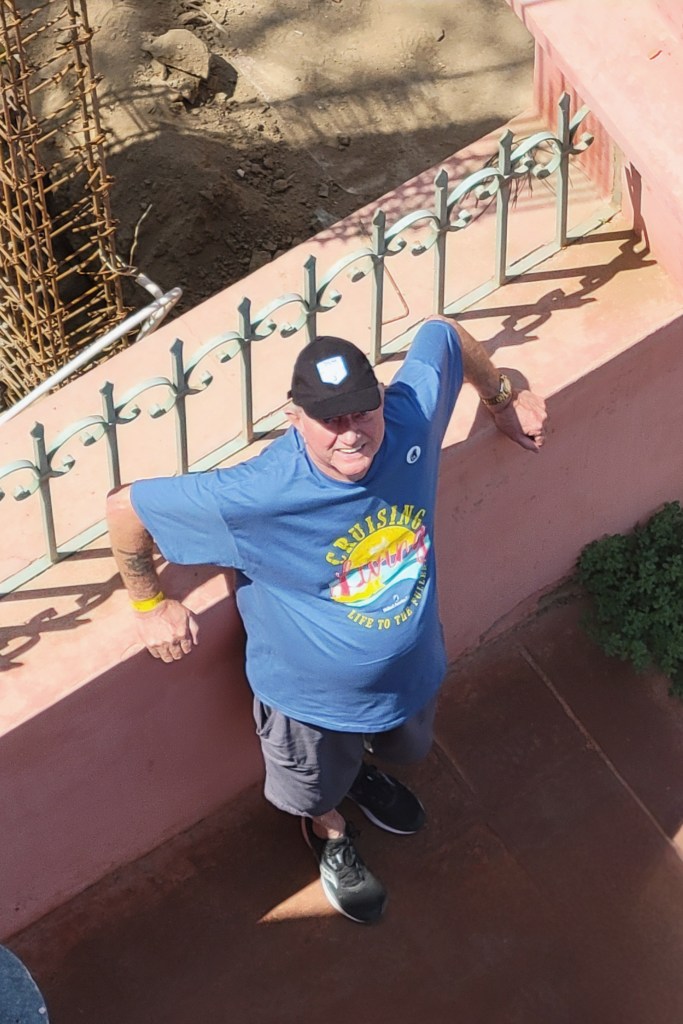
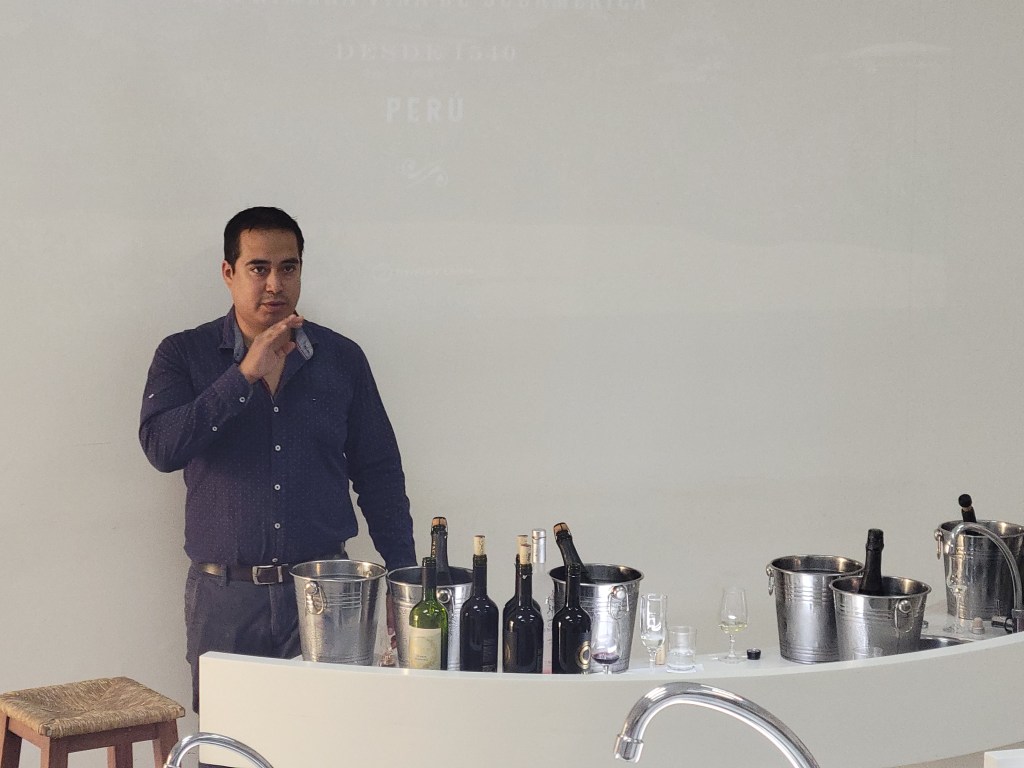
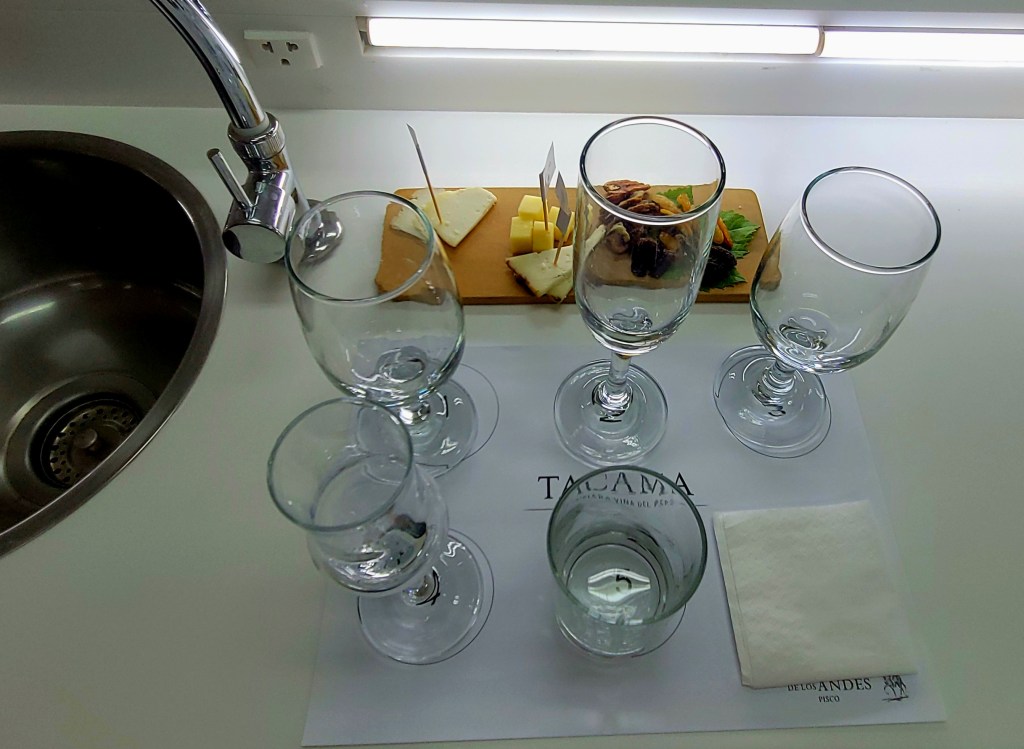
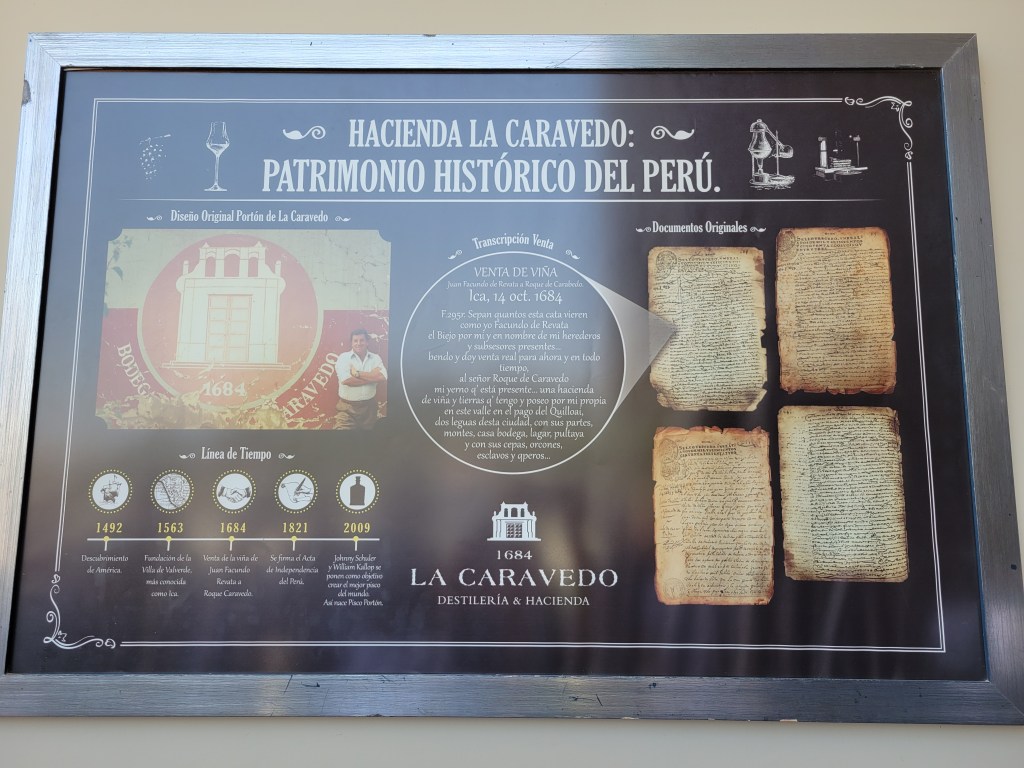
Next, a visit to Hacienda La Caravedo, the oldest working distillery in the Americas (established in 1684). We saw how the highly-regarded Pisco Portón is crafted by hand in small batches using artisanal distilling techniques. They make about 1 million bottles a year. The average bottle takes 7 kilos of grapes per bottle. The best Pisco take 14 kilos of grapes per bottle. We met the makers and taste five different types of Pisco, well Patrick did. I’m not a fan of strait Pisco, but a Pisco Sour is very good.
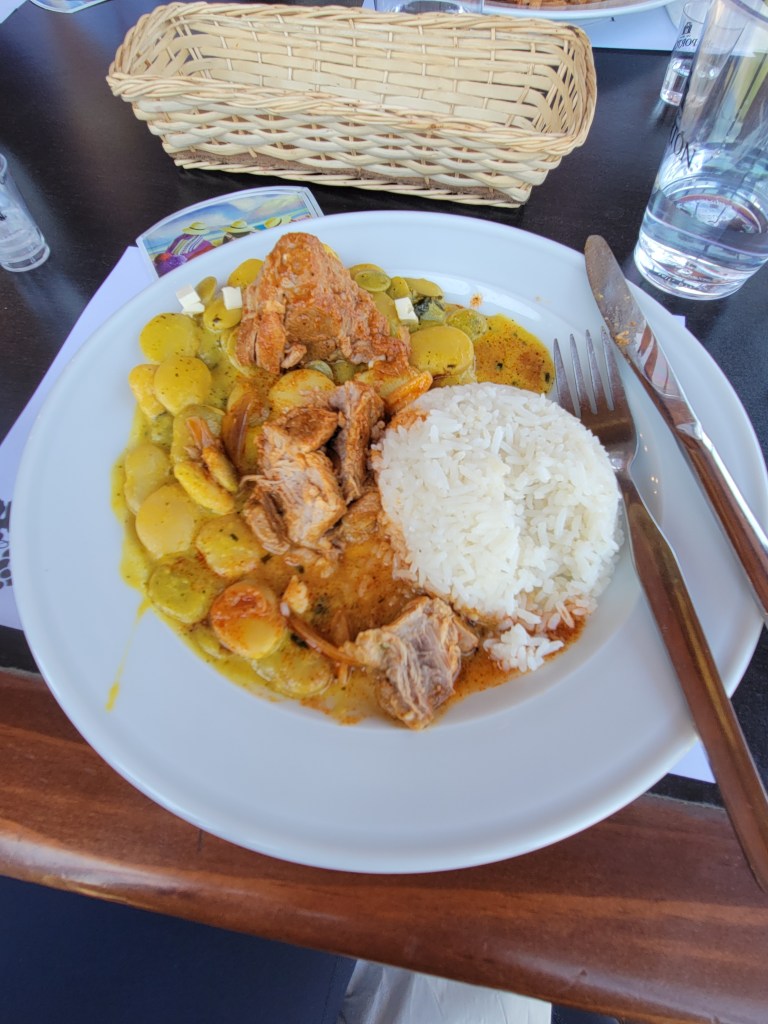
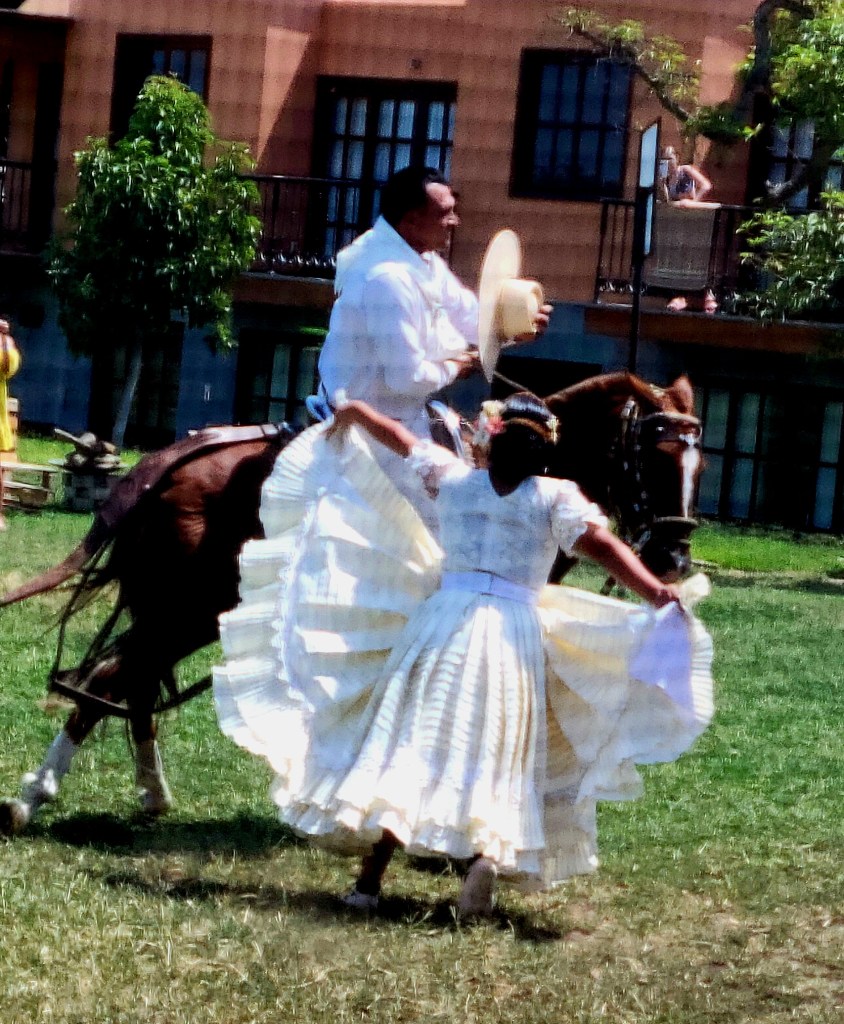
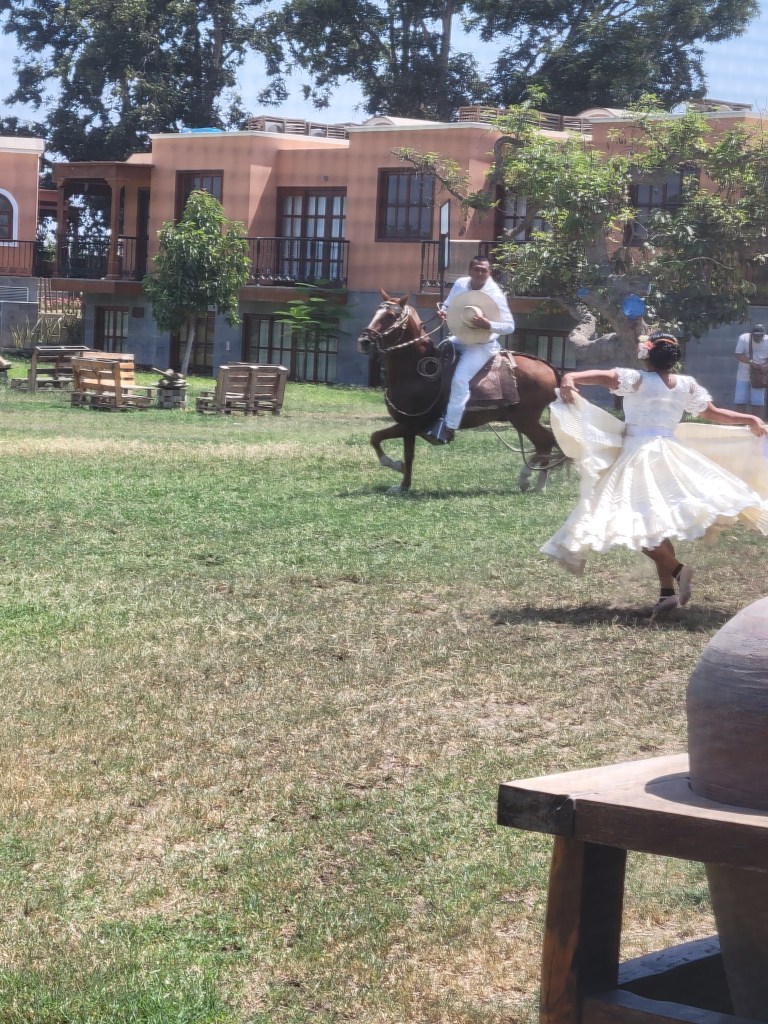
We had a lunch of local cuisine accompanied by a Peruvian Paso horse show. There were three courses; salad of marinated lima beans with thinly sliced onion, and tomato; main course was roasted pork, rice and more lima beans; dessert was Ice cream. Paso horses have the smoothest gait, a stunning equestrian demonstration set to the rhythms of marinera — a traditional form of music that combines Peruvian, African and Spanish influences. The dancers were very talented.
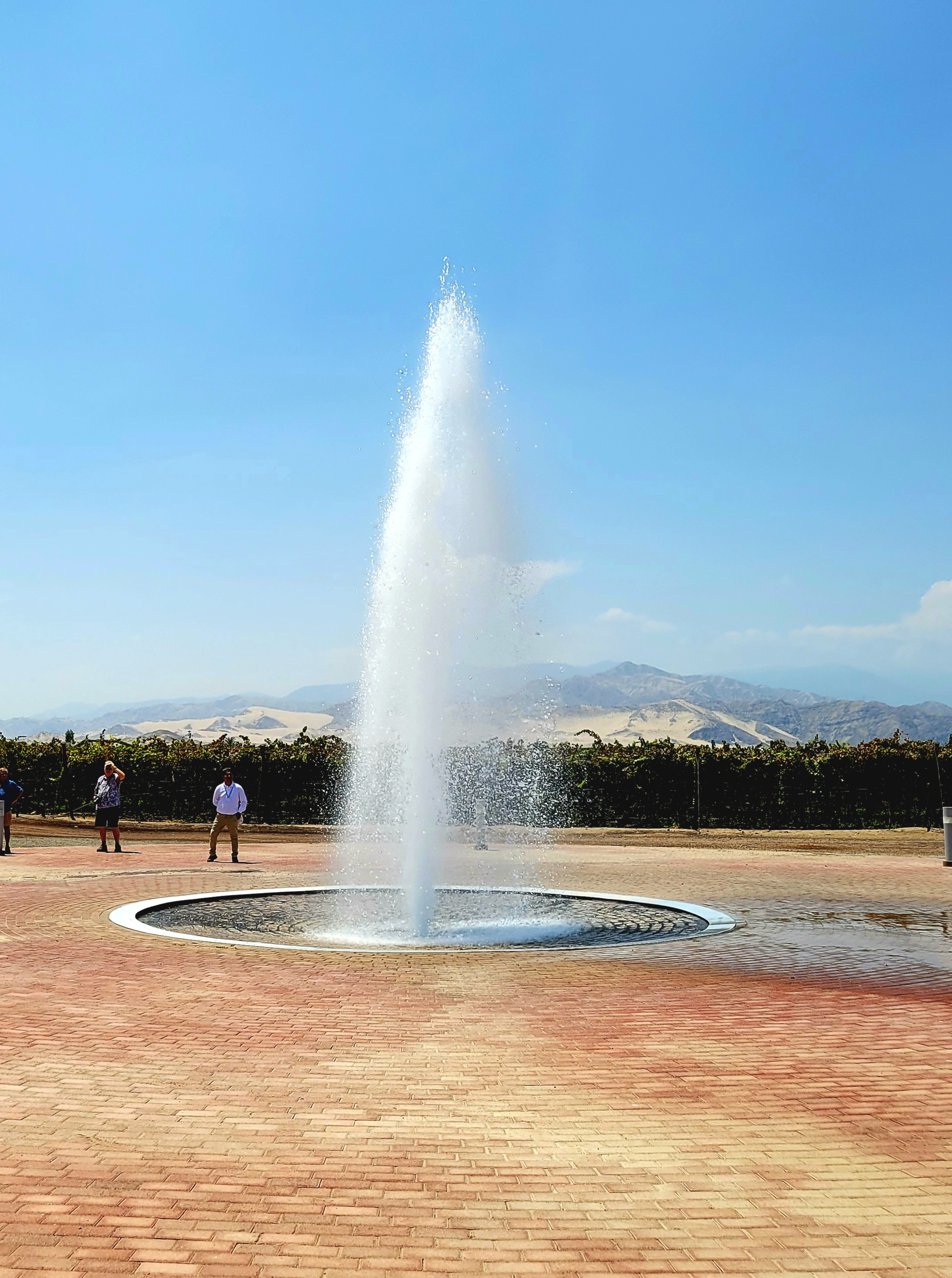
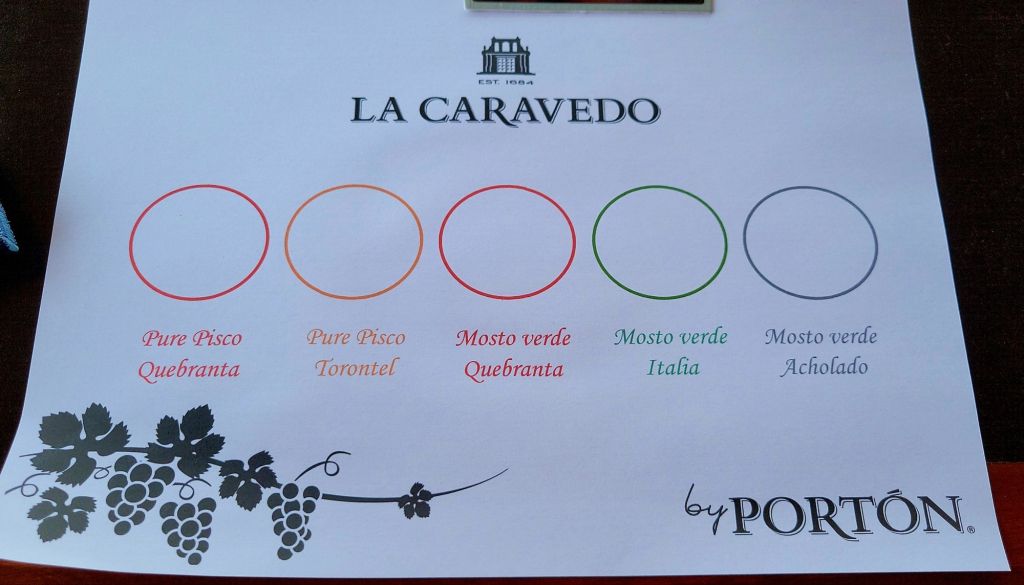
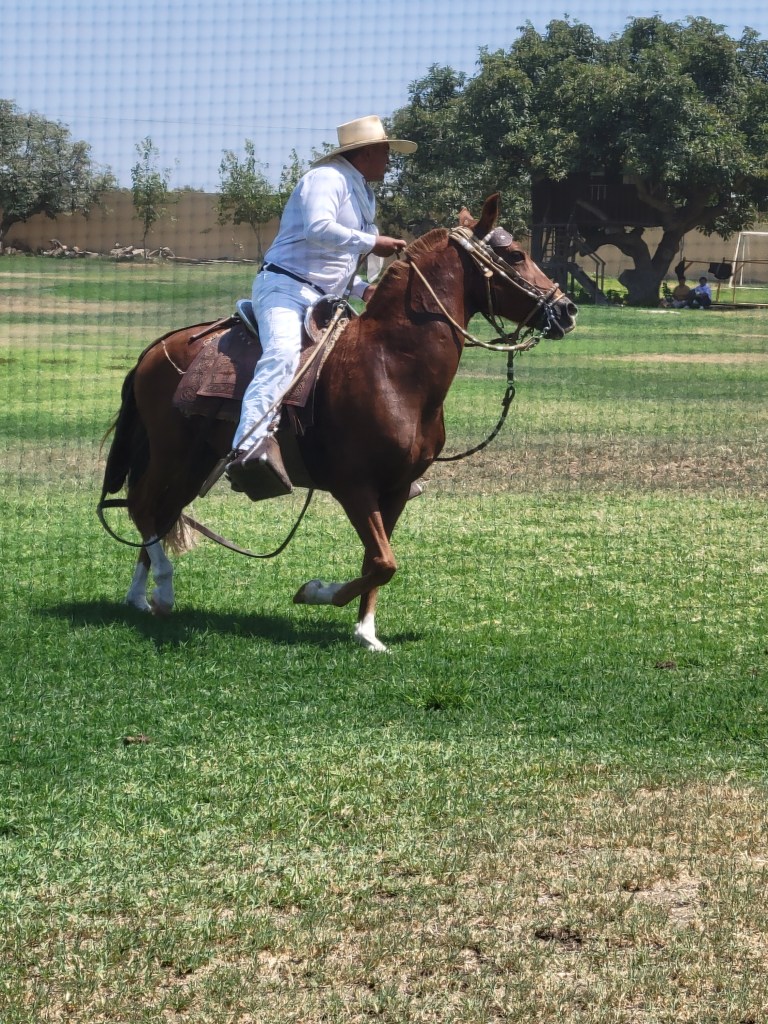
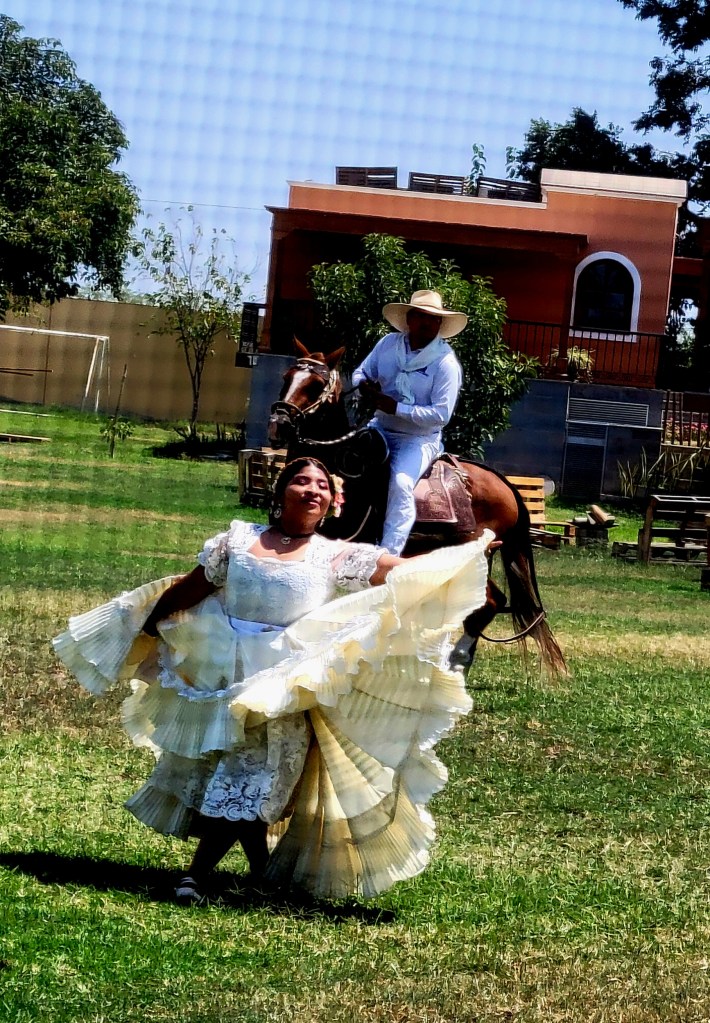
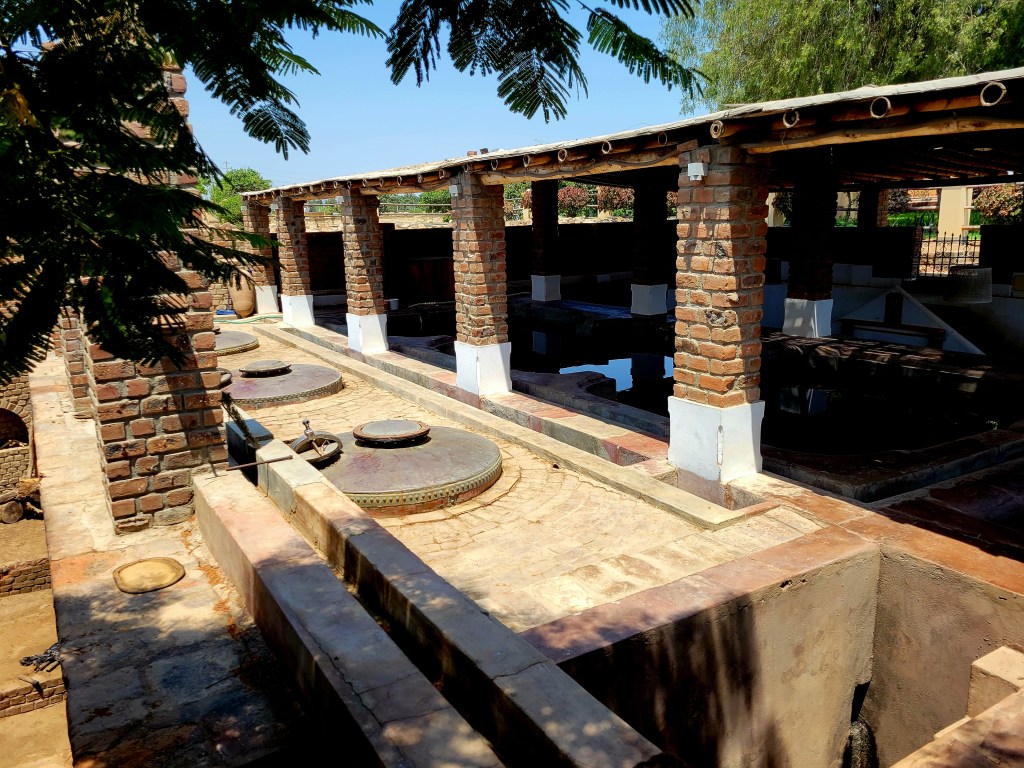
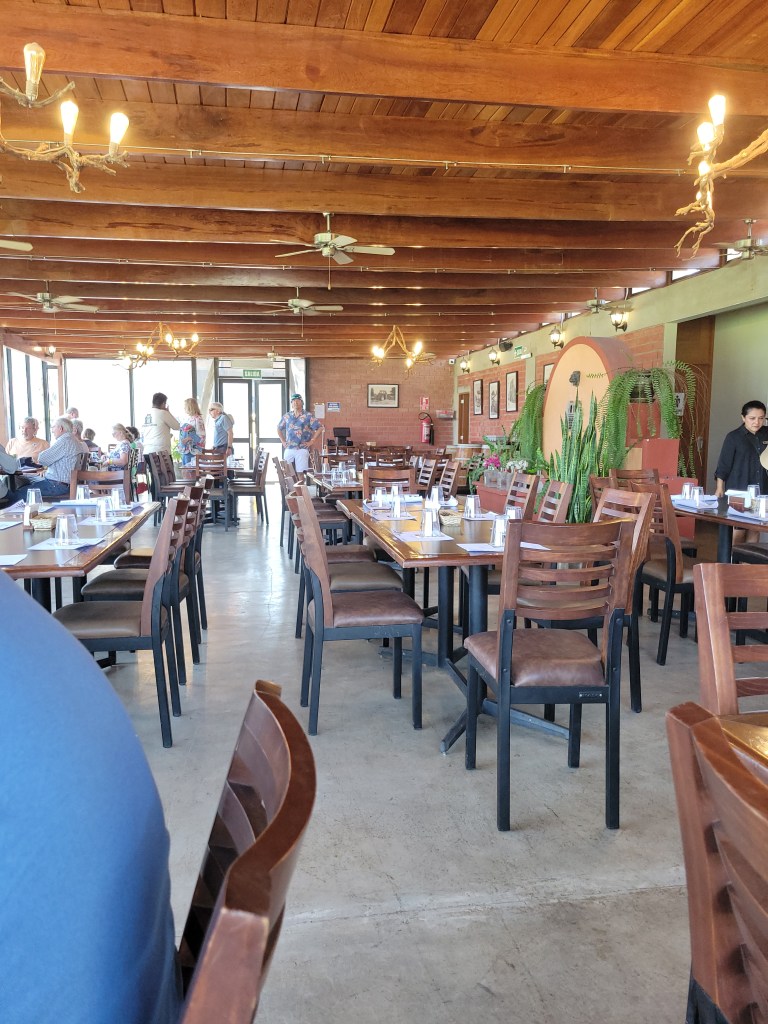
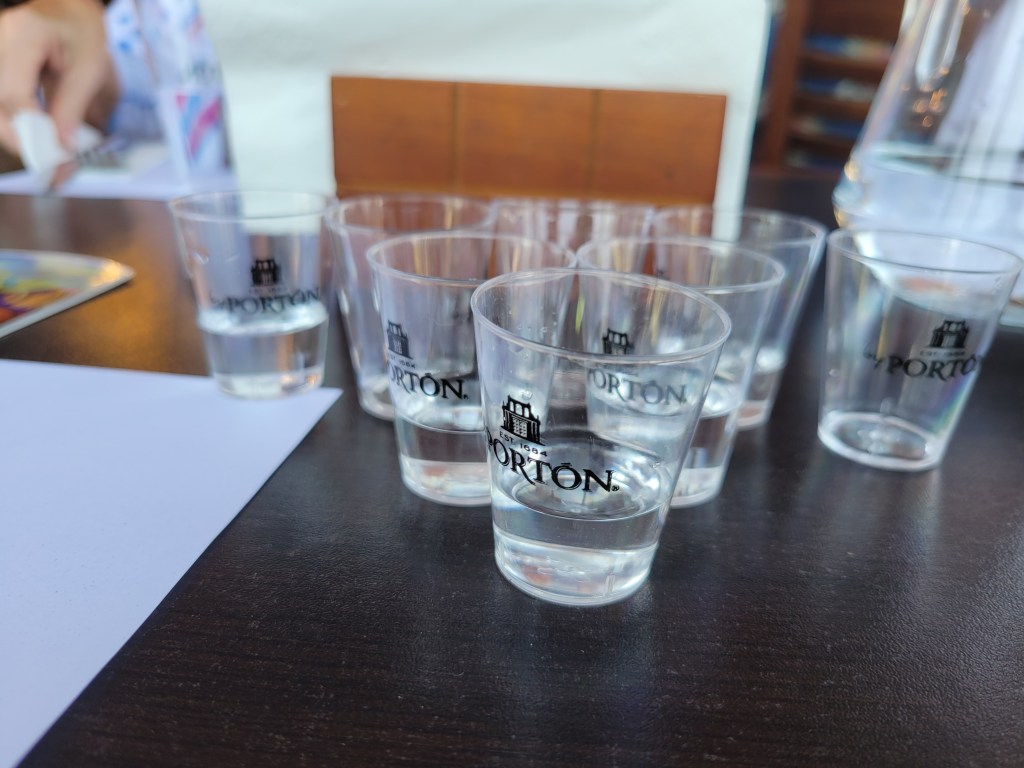

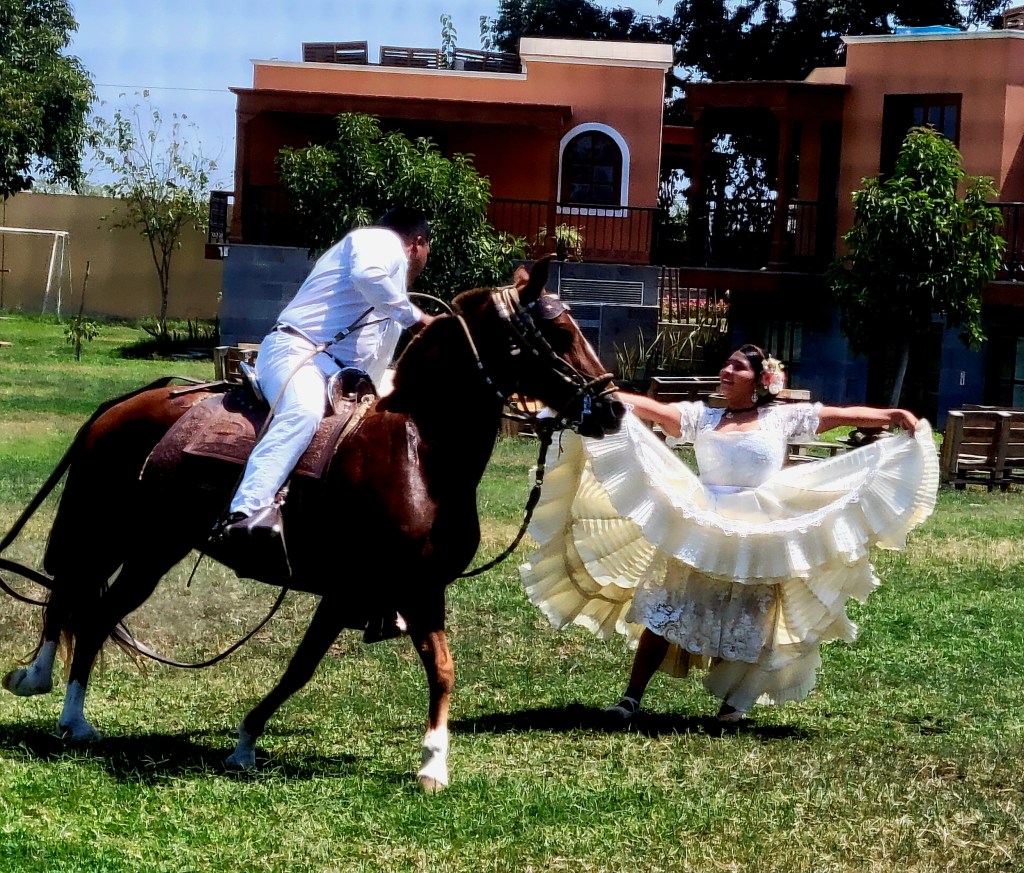
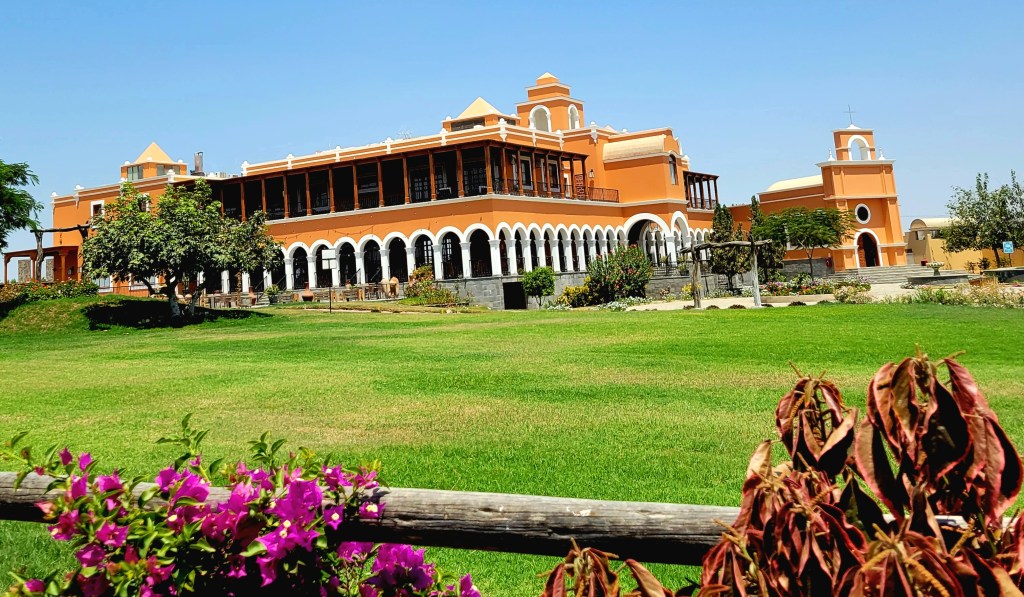
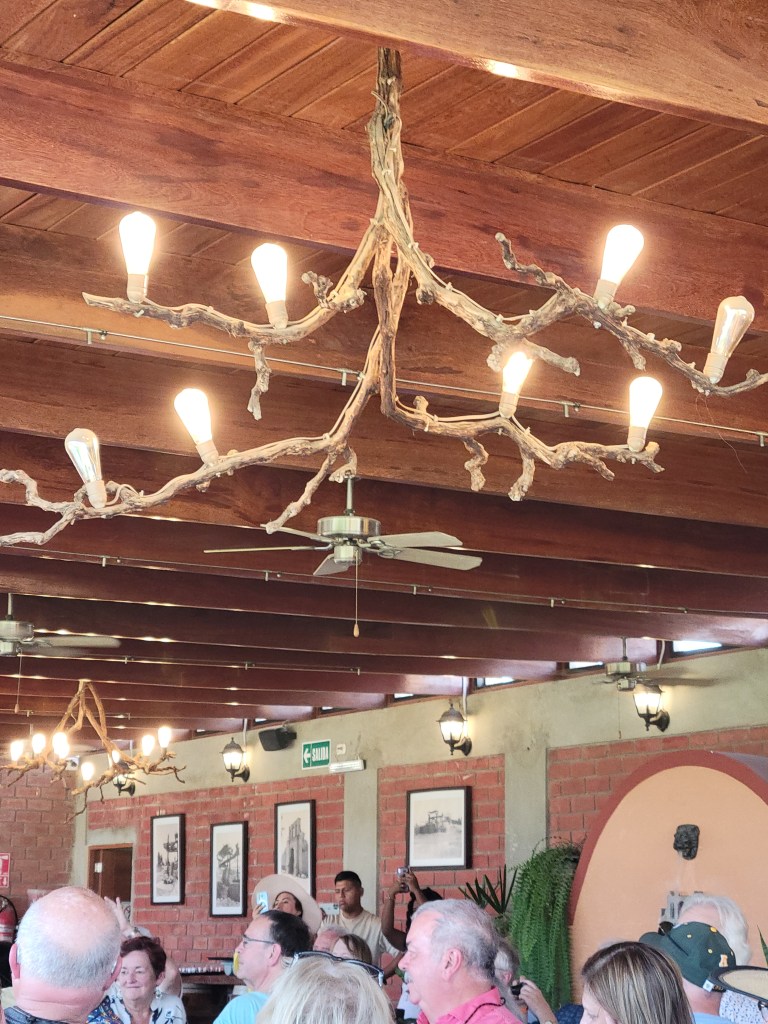
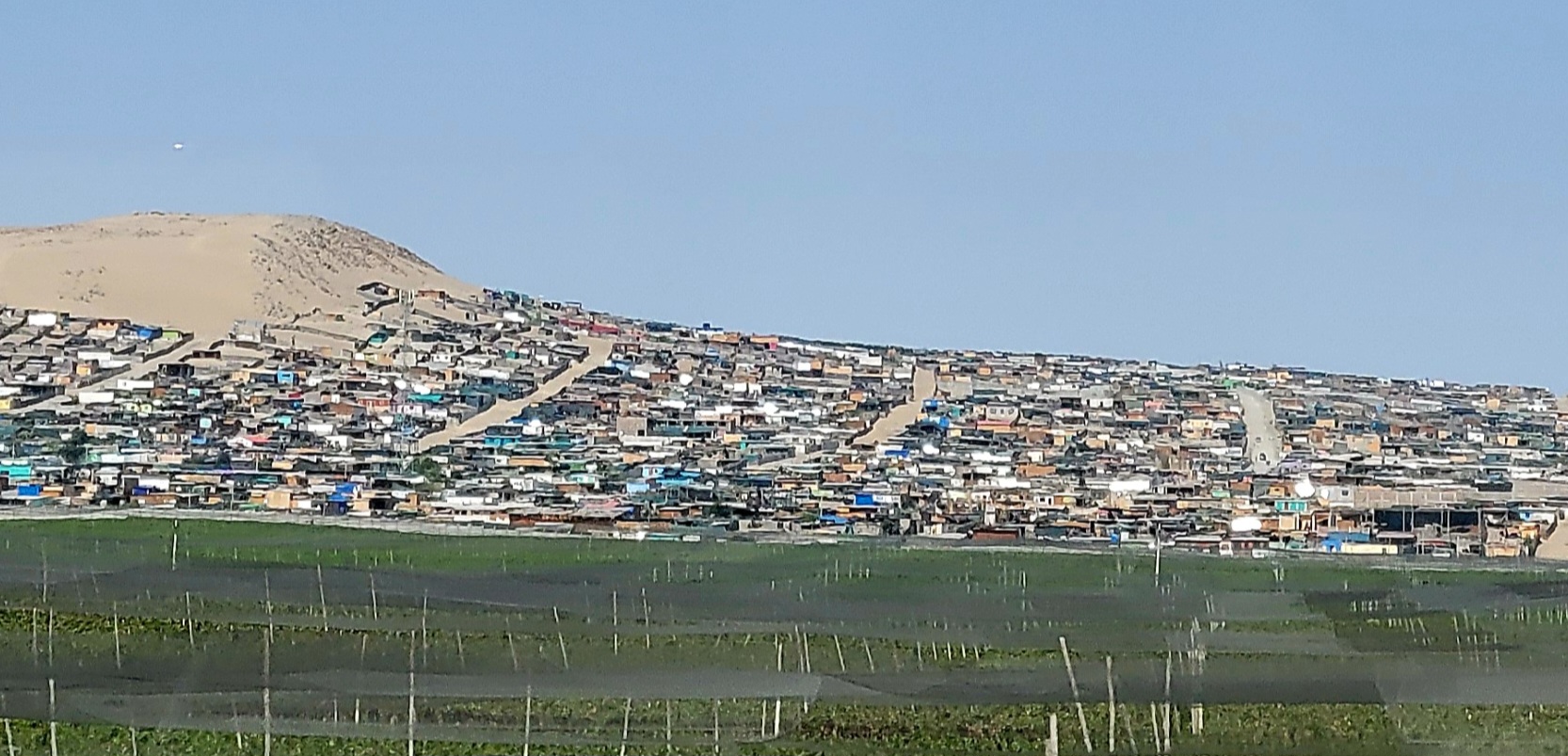
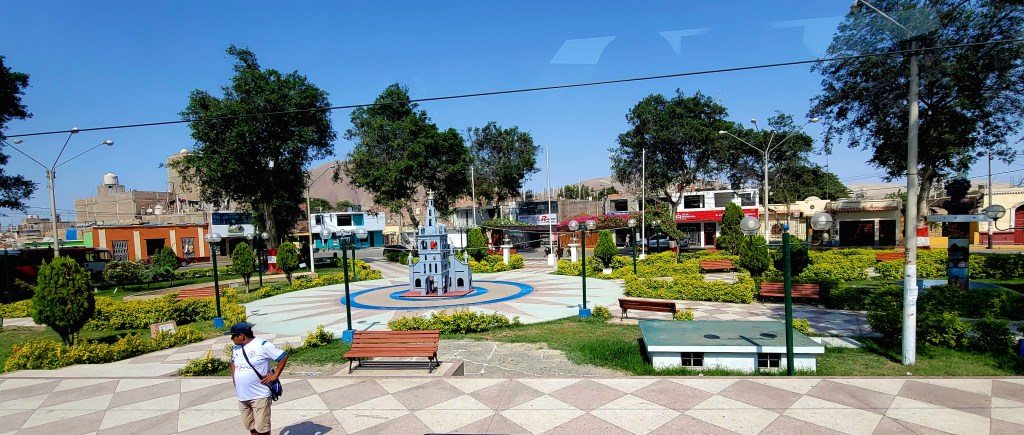
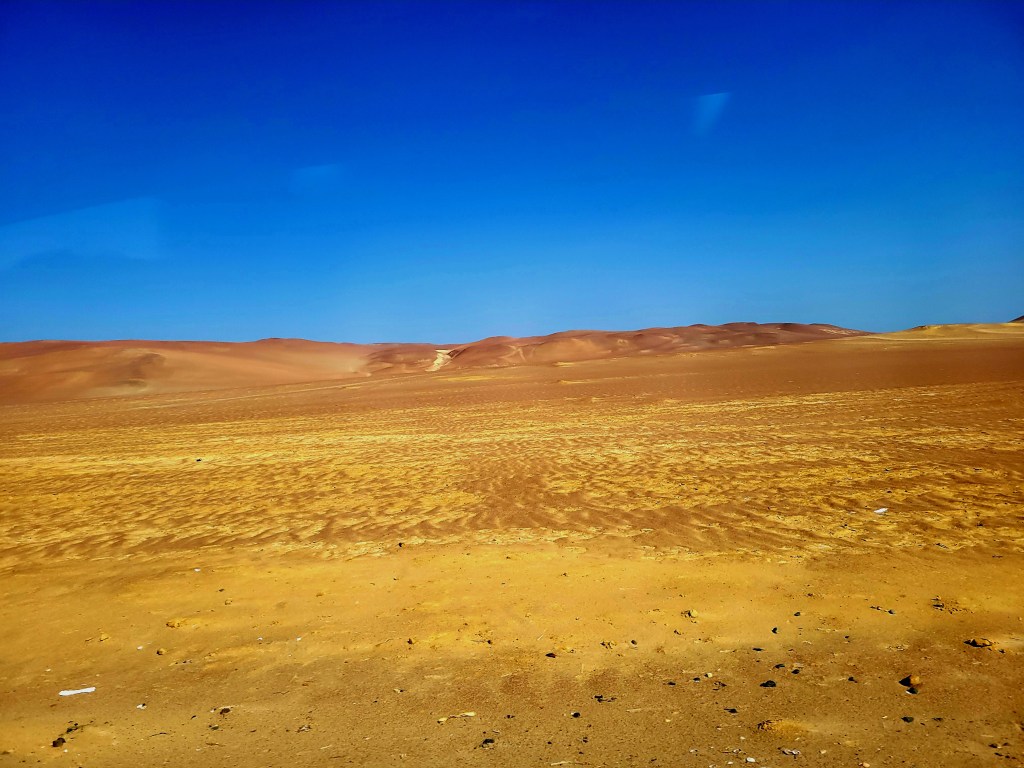
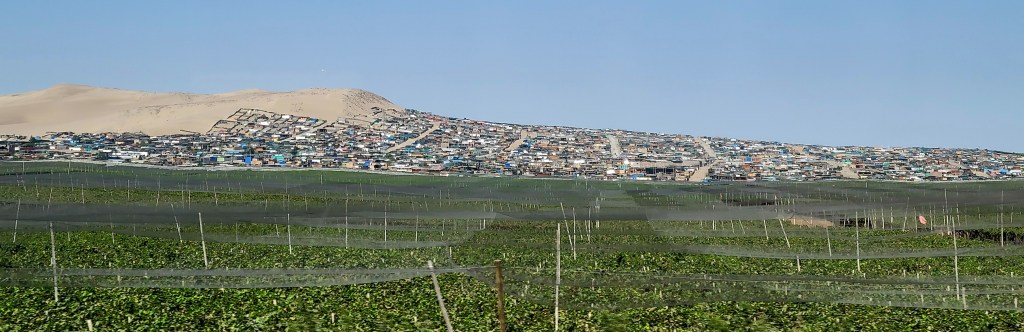
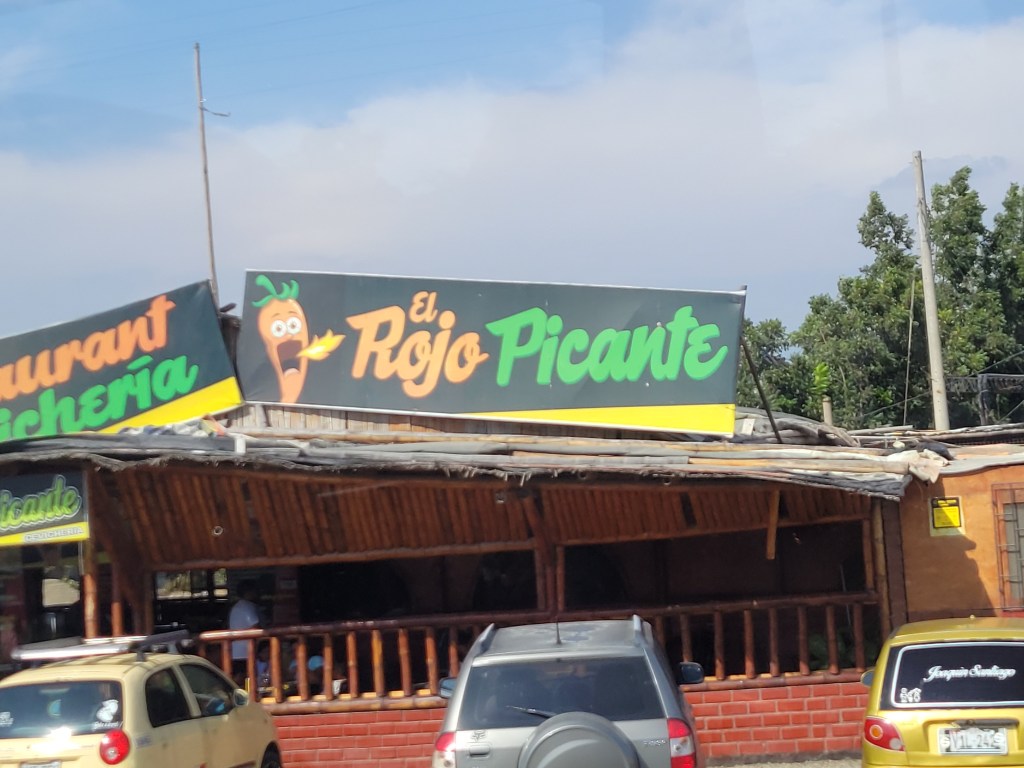
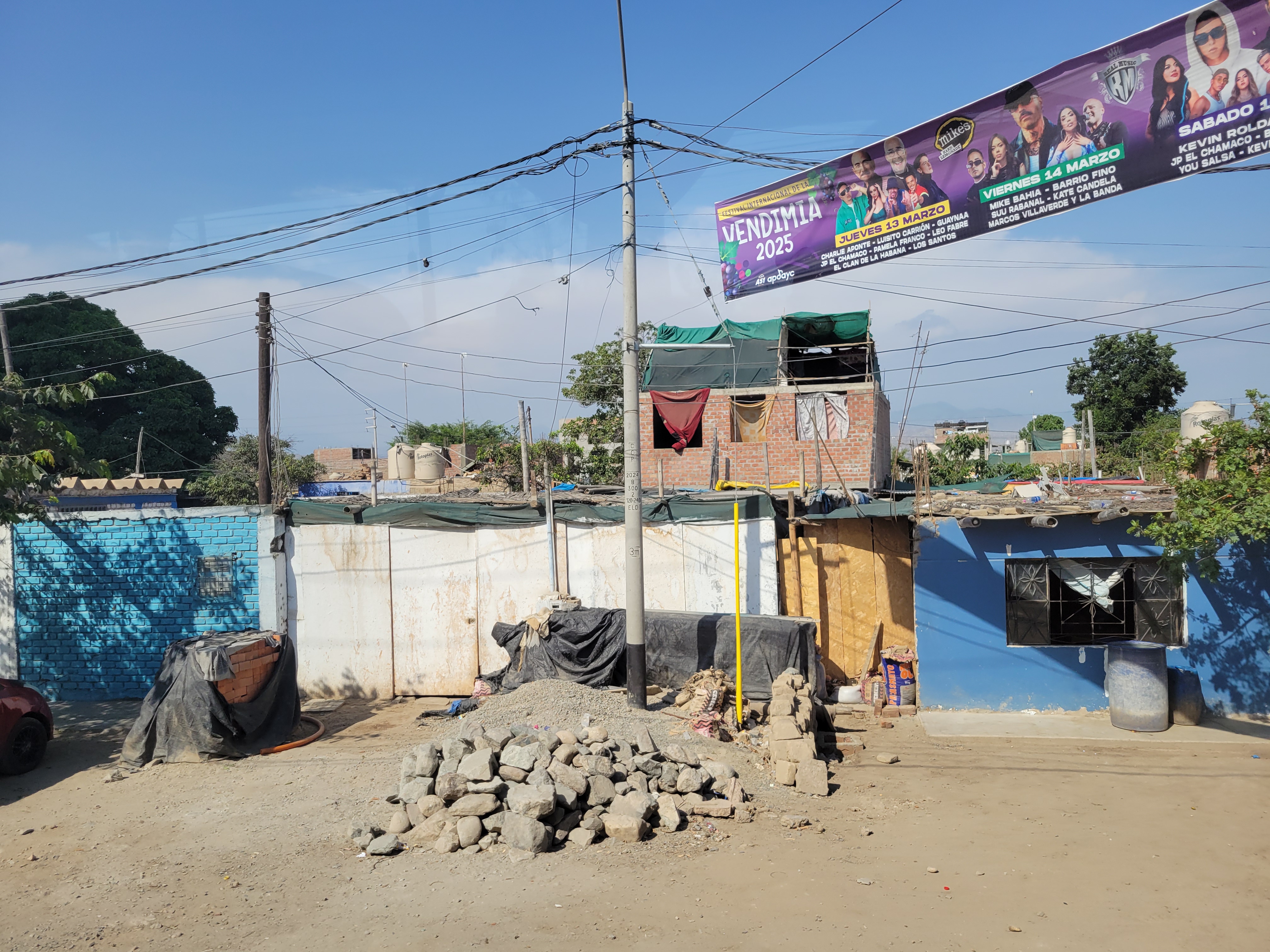
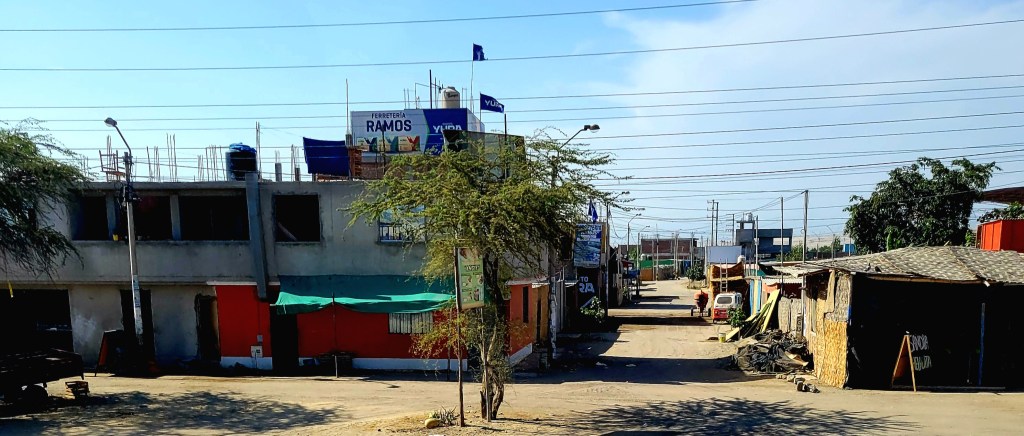
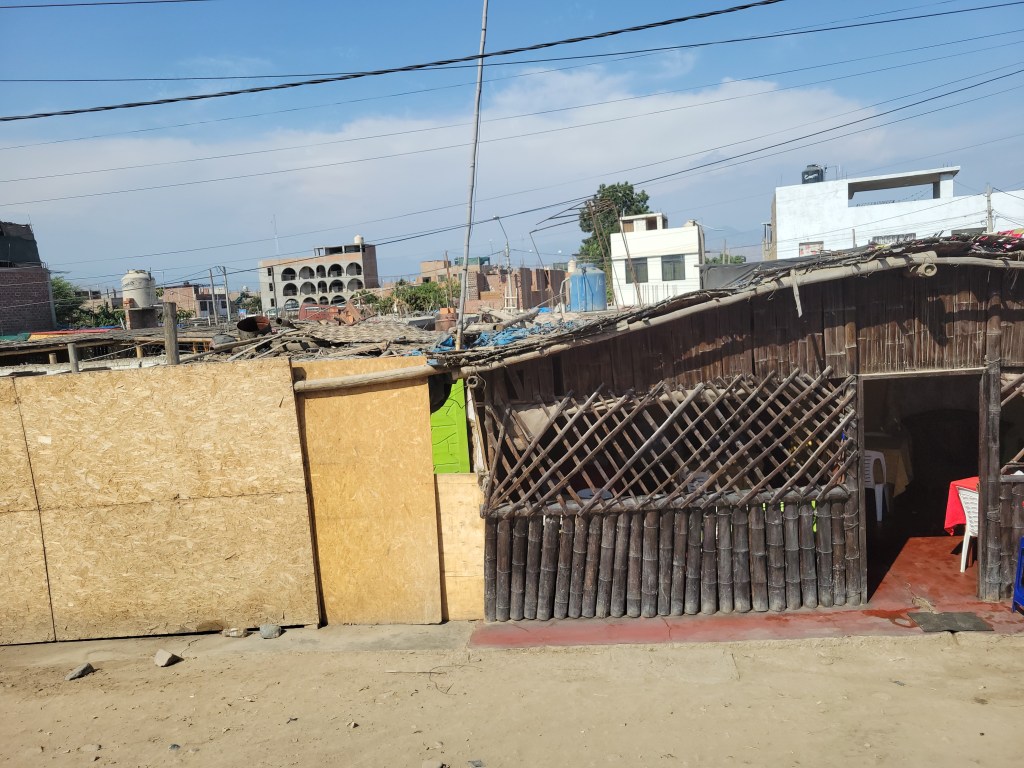
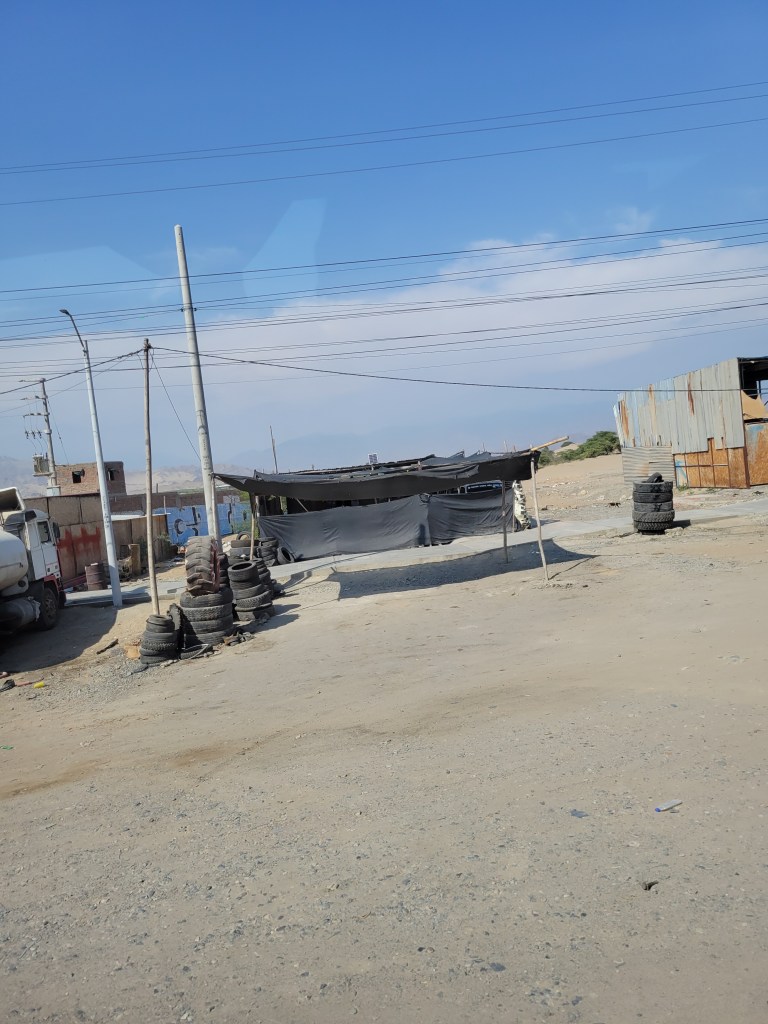
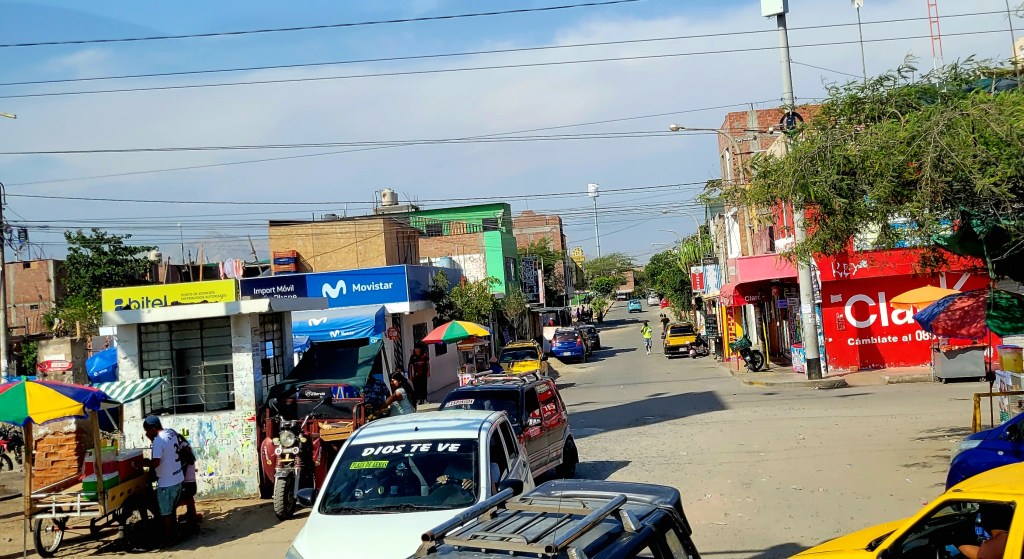
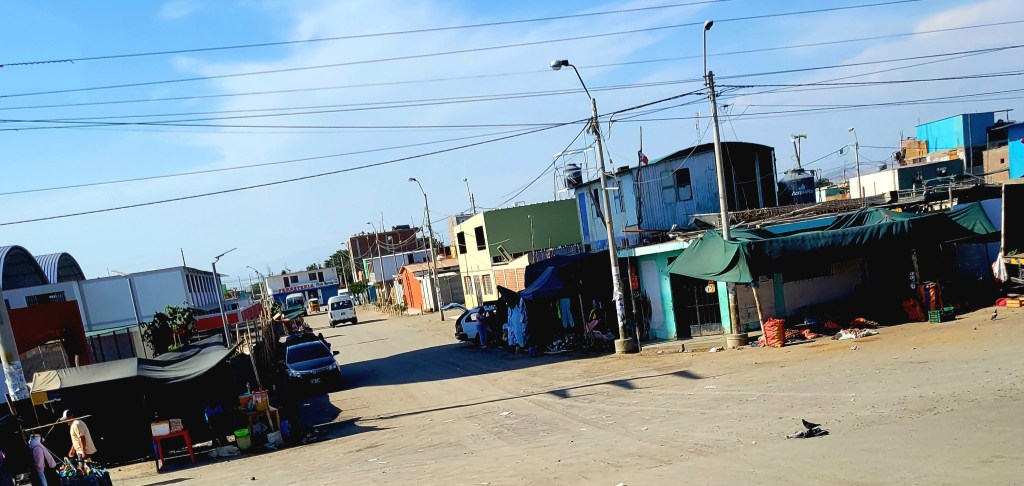
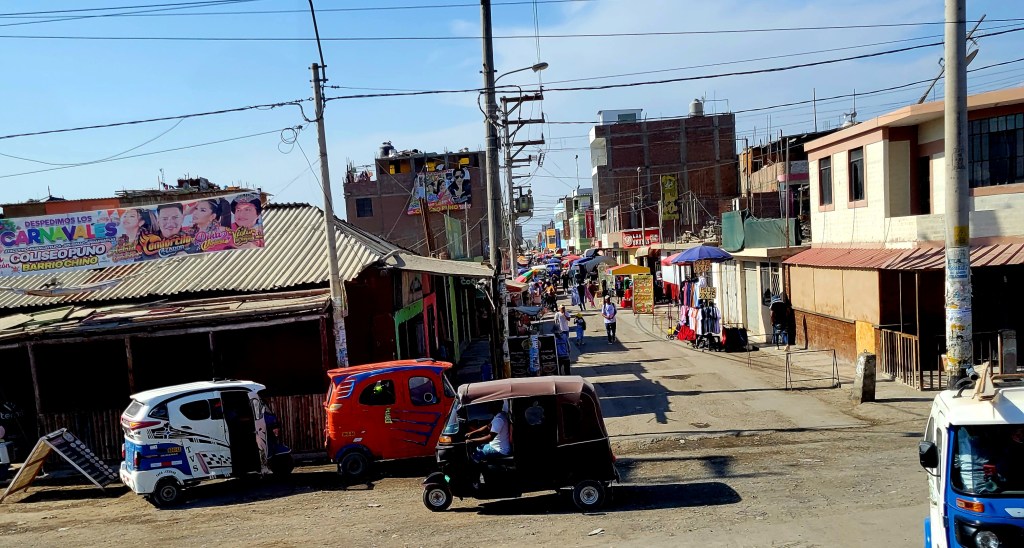
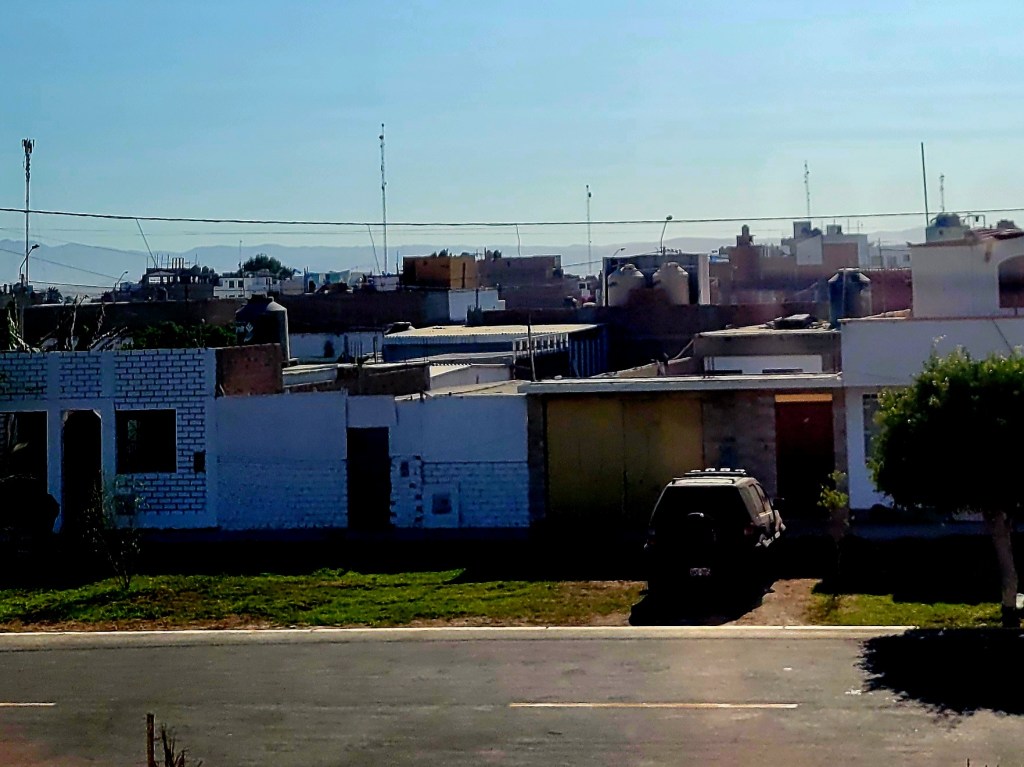
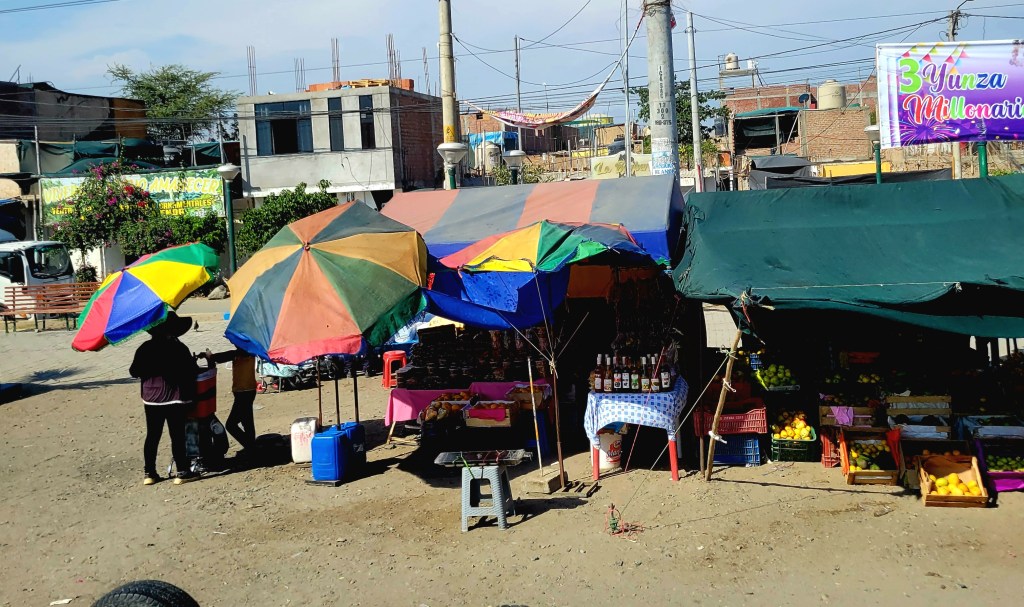
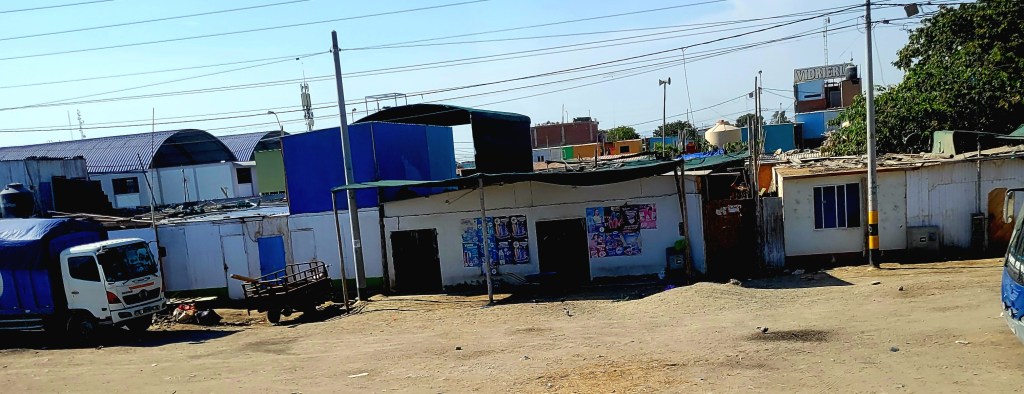
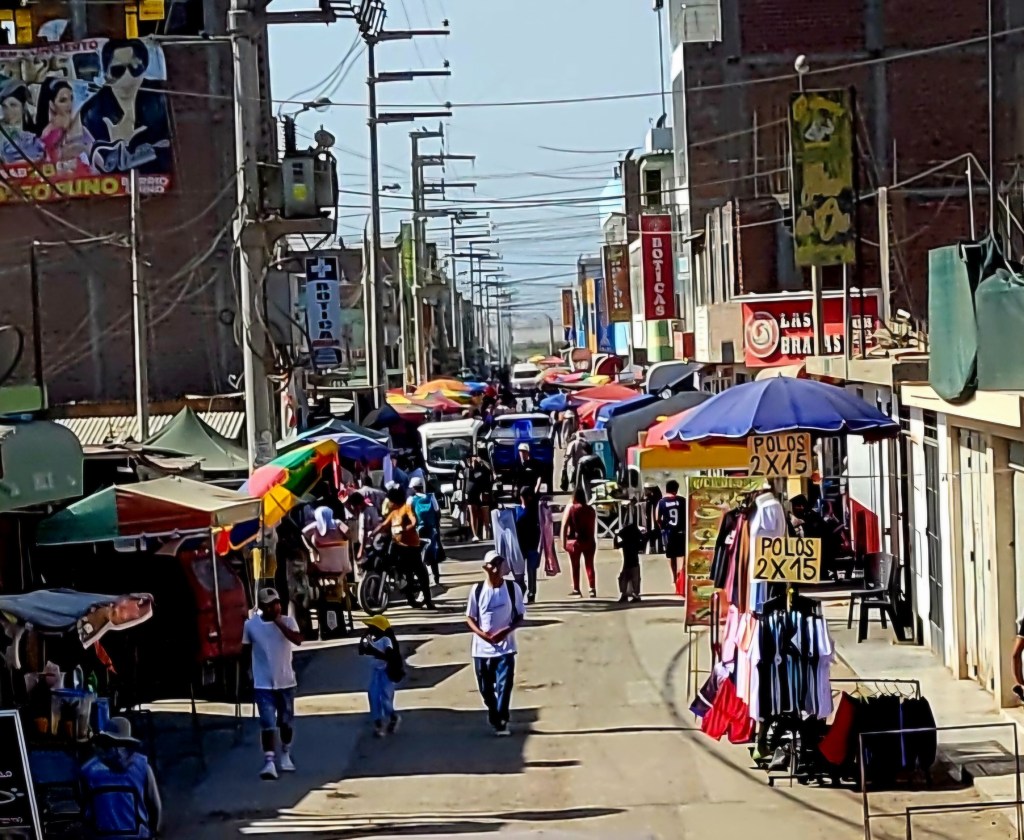
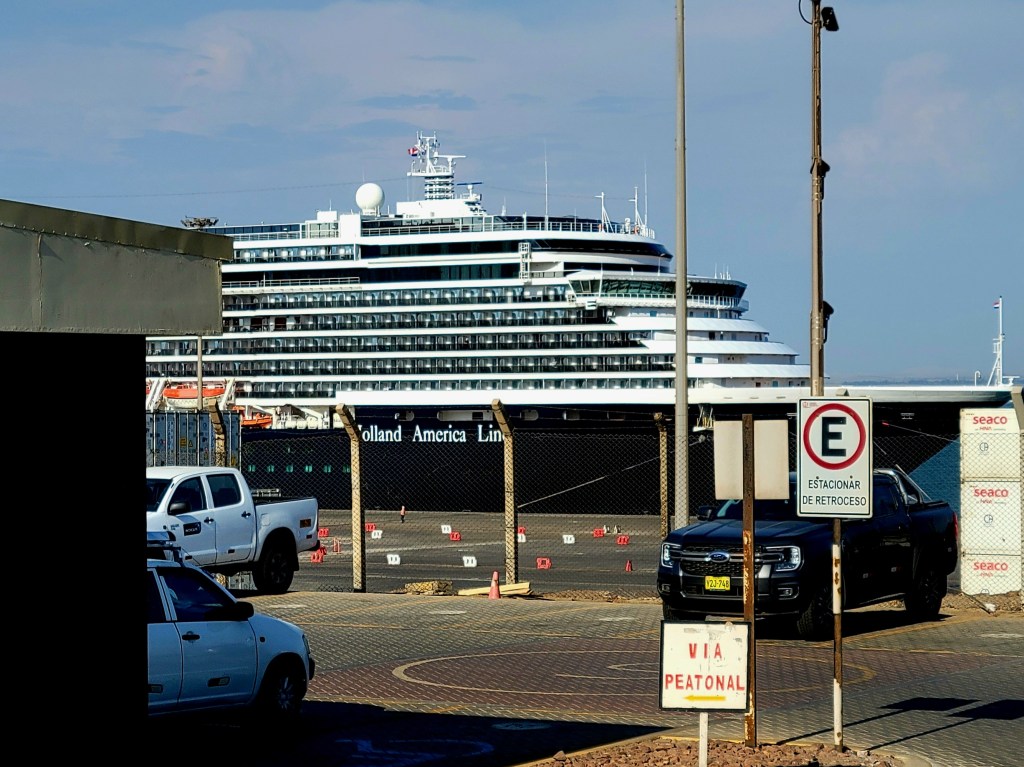
Various pictures on our way back to the ship. Observations of Peru …. Population 34 million. Many of the houses are not finished because the government does not tax a house until it is done, so, don’t finish the house, don’t pay taxes. The area here is extremely dry, so not much need for weather protection. I did not see one screen in all my stops in Peru. Minimum wage is about $500 per month, doctors about $1350 per month and teachers about $670 a month. Not much wealth in this part of Peru.



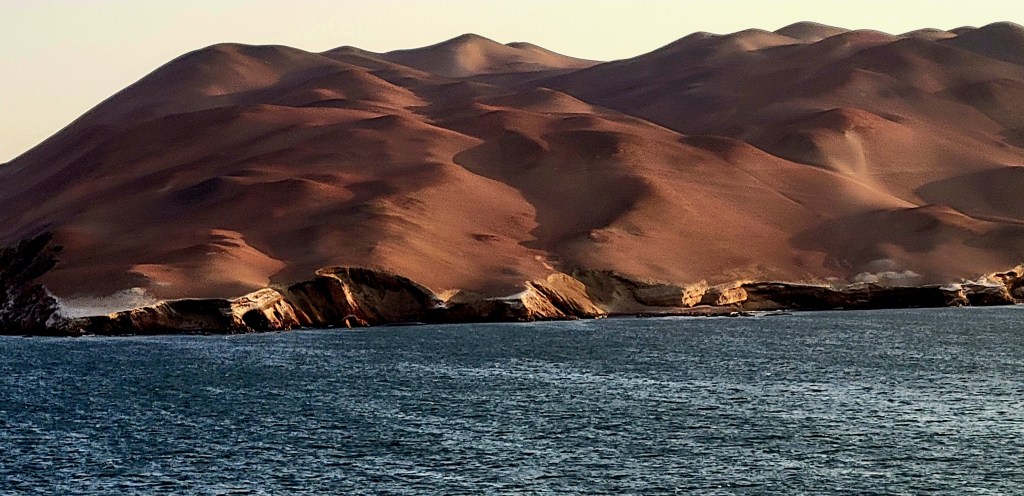
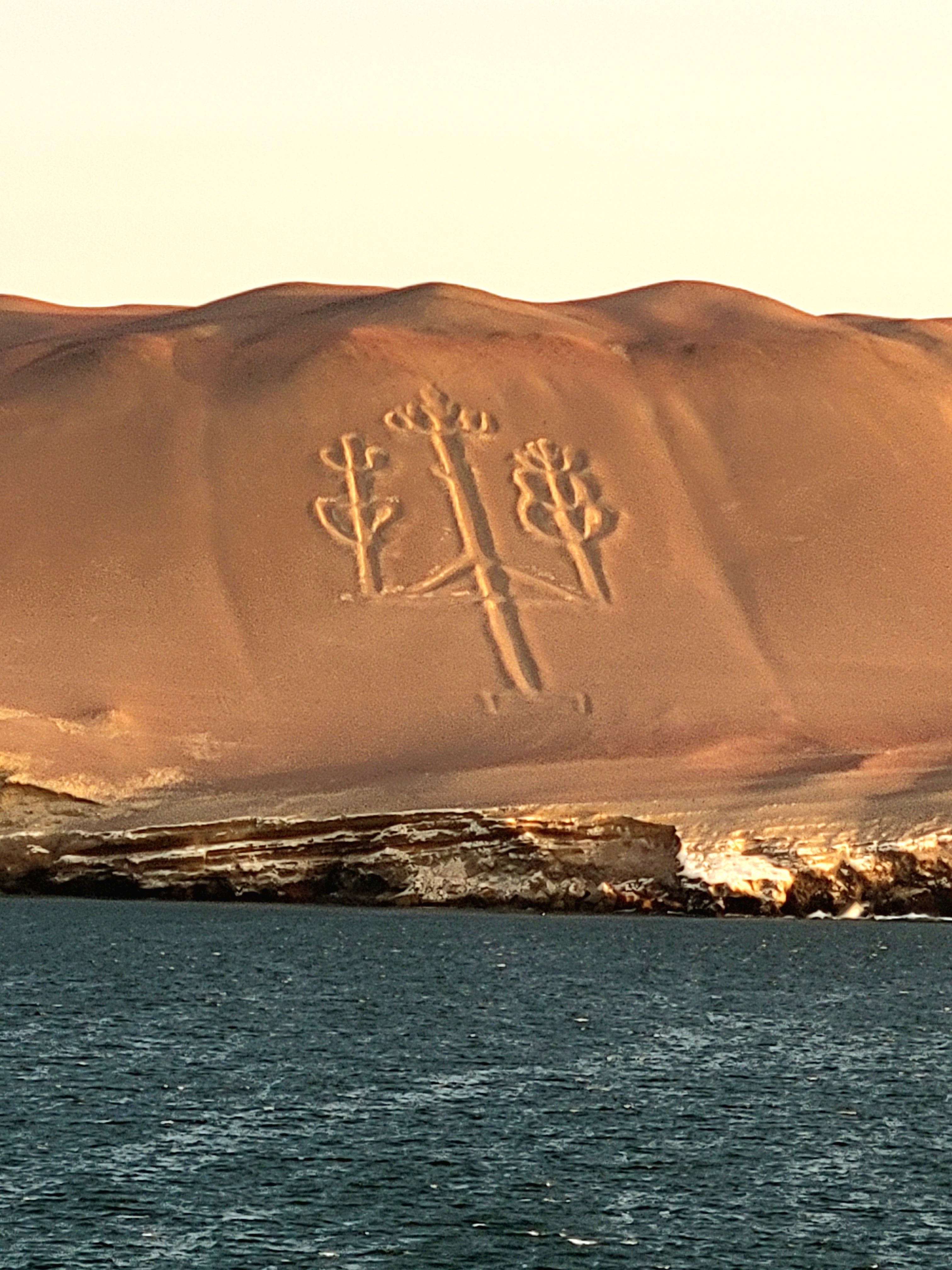
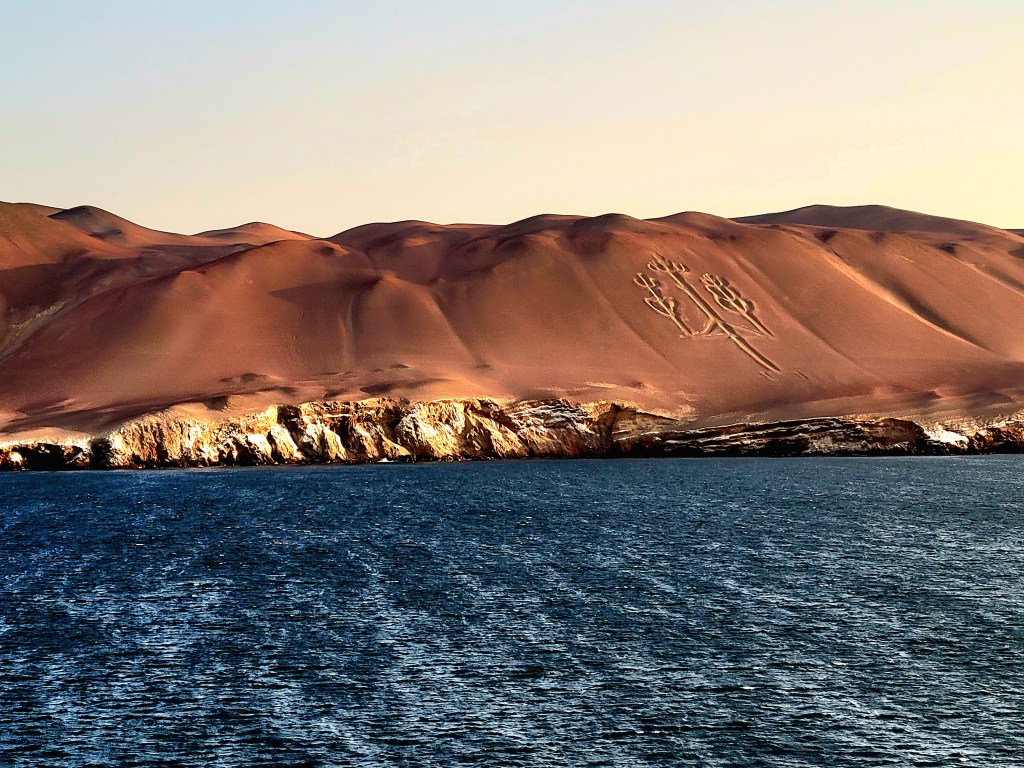
The Captain gave us a surprise, an up-close look at “The Candelabra”. The Paracas Candelabra, also called the Candelabra of the Andes, or El Candelabro (the Trident), is a well-known prehistoric geoglyph found on the northern face of the Paracas Peninsula at Pisco Bay in Peru. Pottery found nearby has been radio carbon dated to 200 BCE, the time of the Paracas culture. The design is cut 2 feet into the soil, with stones possibly from a later date placed around it. The figure is 560 ft tall and 200 ft wide, large enough to be seen12 miles at sea.
 Suzi Travels
Leave a comment