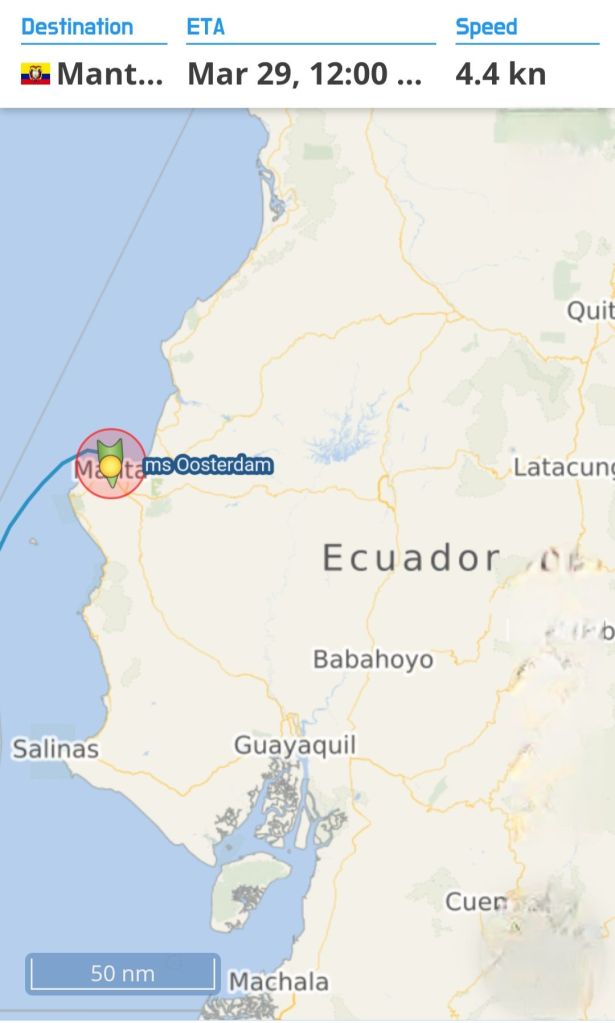
Manta, Ecuador
Ecuador has 4 regions: Highlands, Coastal, Amazon and Galapagos. It got it’s name because of location on the Equator. The population is 17.8 million people. Ecuador is a democratic country, and they hold elections every four years and you are required to vote and in person. If you don’t vote, you are fined $75.00 and if it happens often, could be a prosecuted. Current elections will be held the first Sunday in April and for the first time there is a male and female candidate.
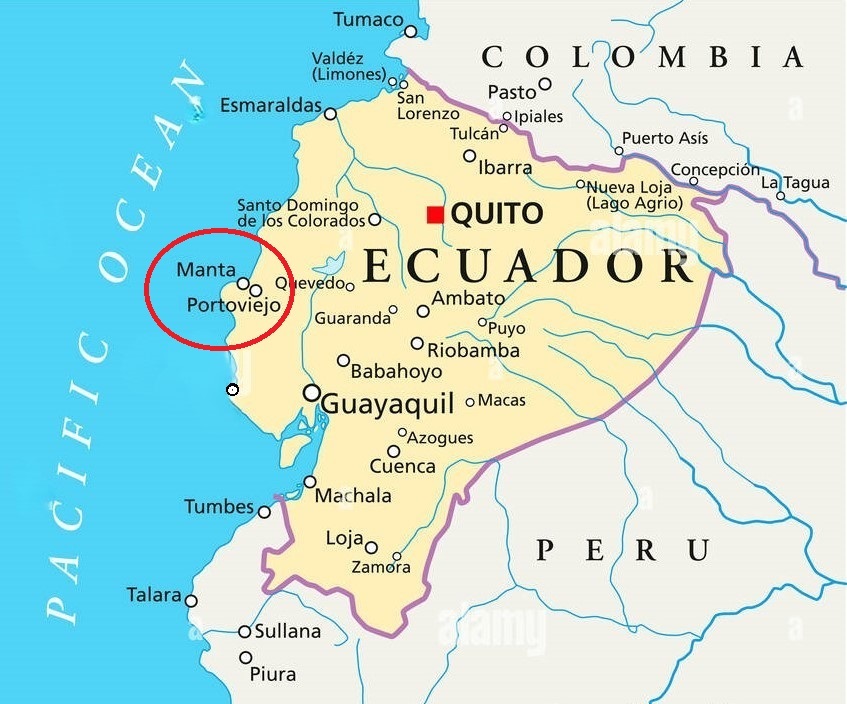
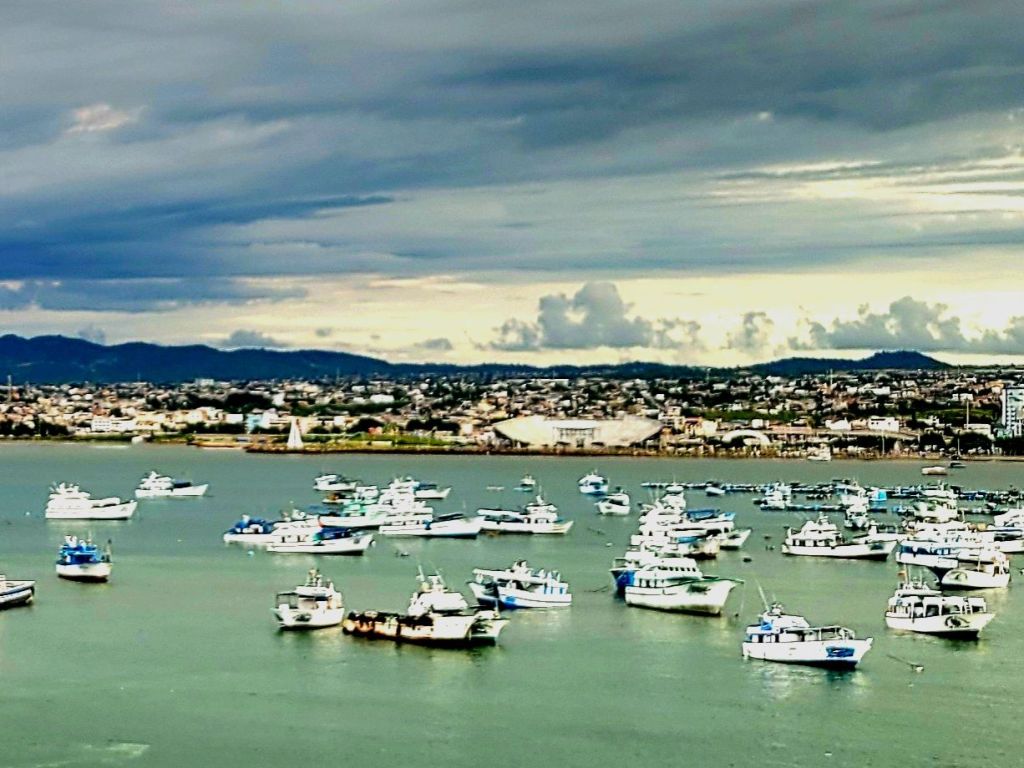
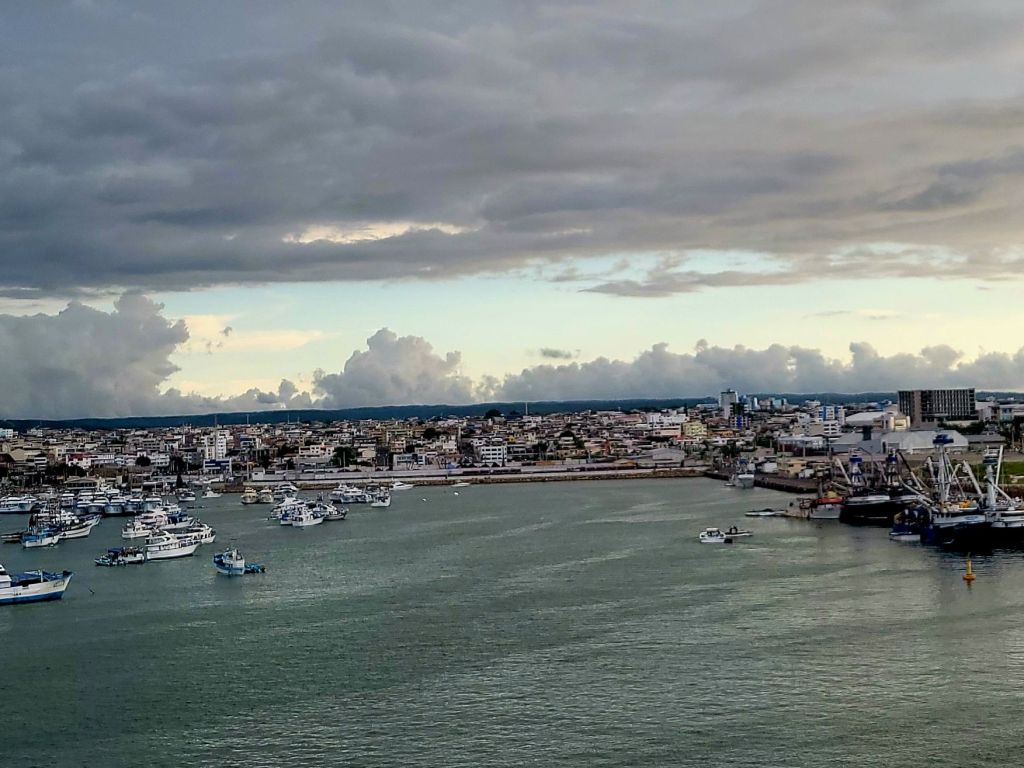
Manta, also known as San Pablo de Manta, is the seventh most populous city in the country. Manta has existed since Pre-Columbian times. It was a trading post for the Manta, also known as Manteños. Located on the Pacific coast, Manta has the largest seaport in Ecuador.
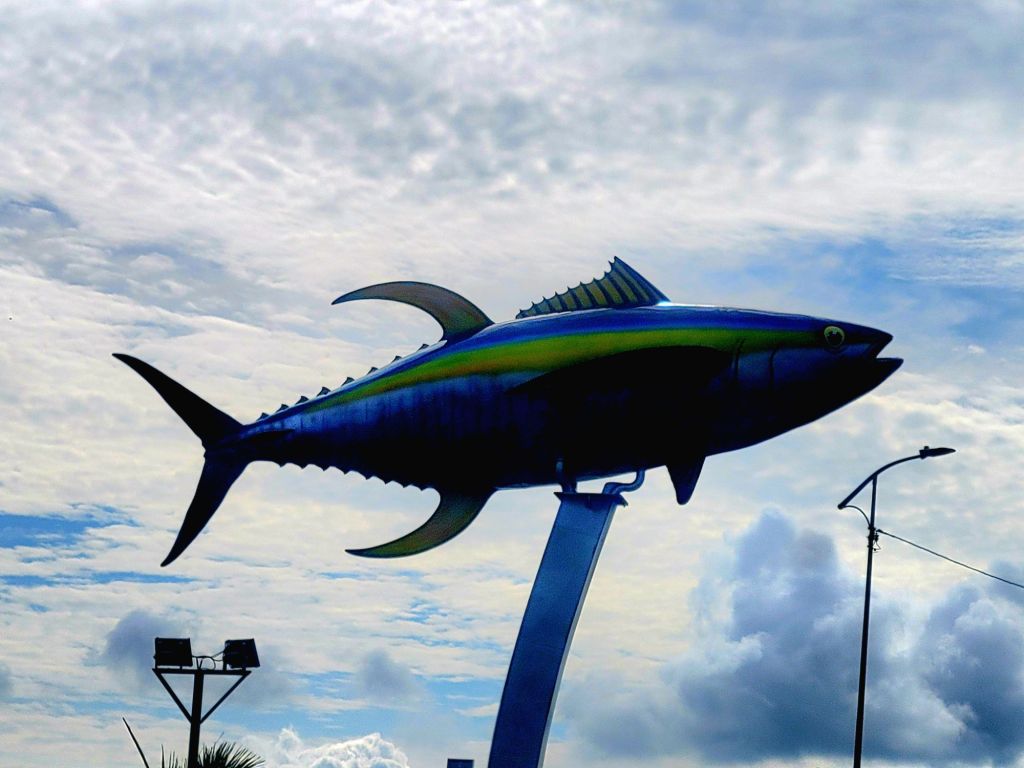
The city had a population of 350,000. It’s main economic activity is tuna fishing and they currently have 21 tuna canneries. Other economic activities include tourism and a chemical industry, with products ranging from cleaning supplies to oils and margarine.
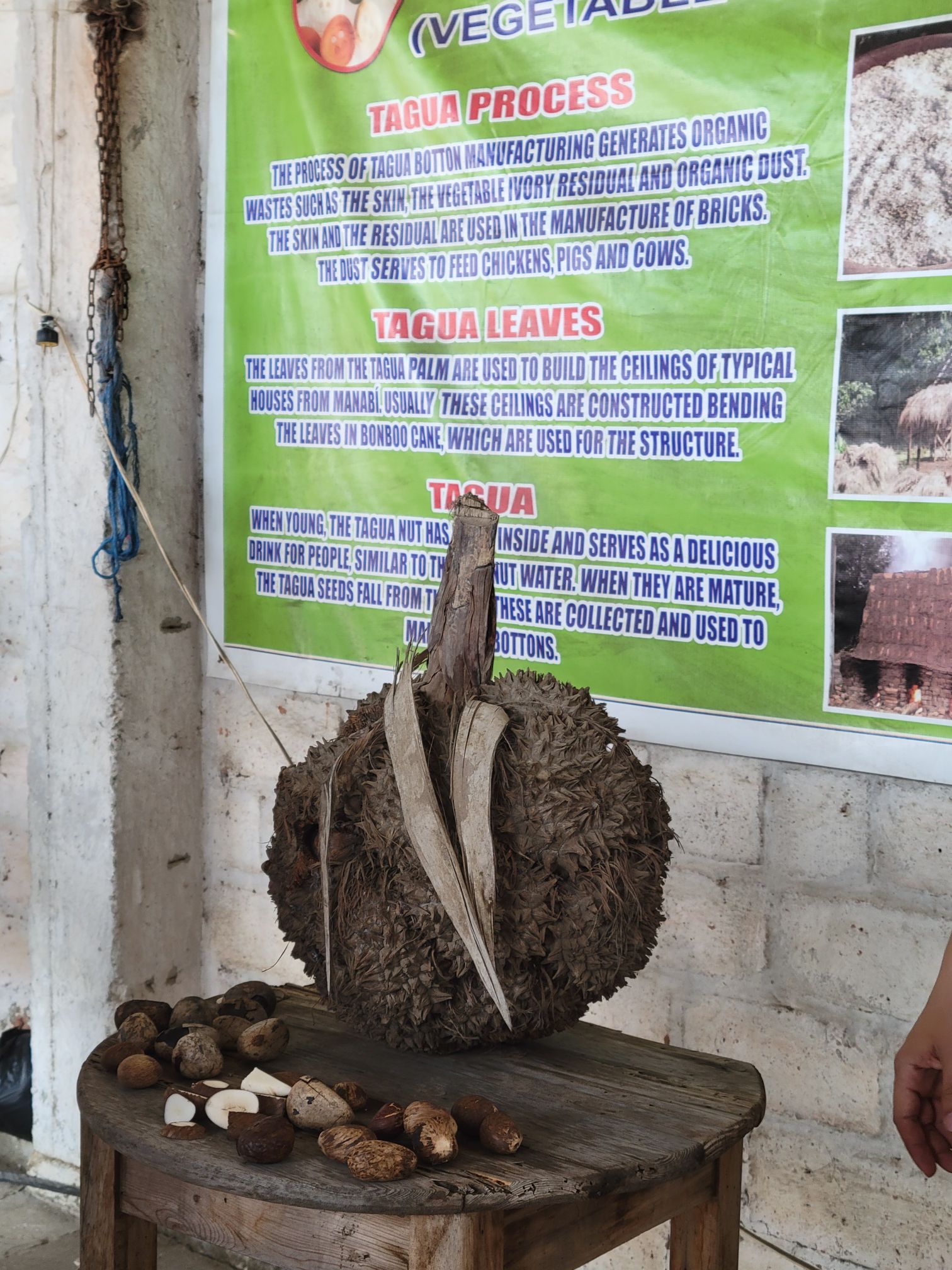
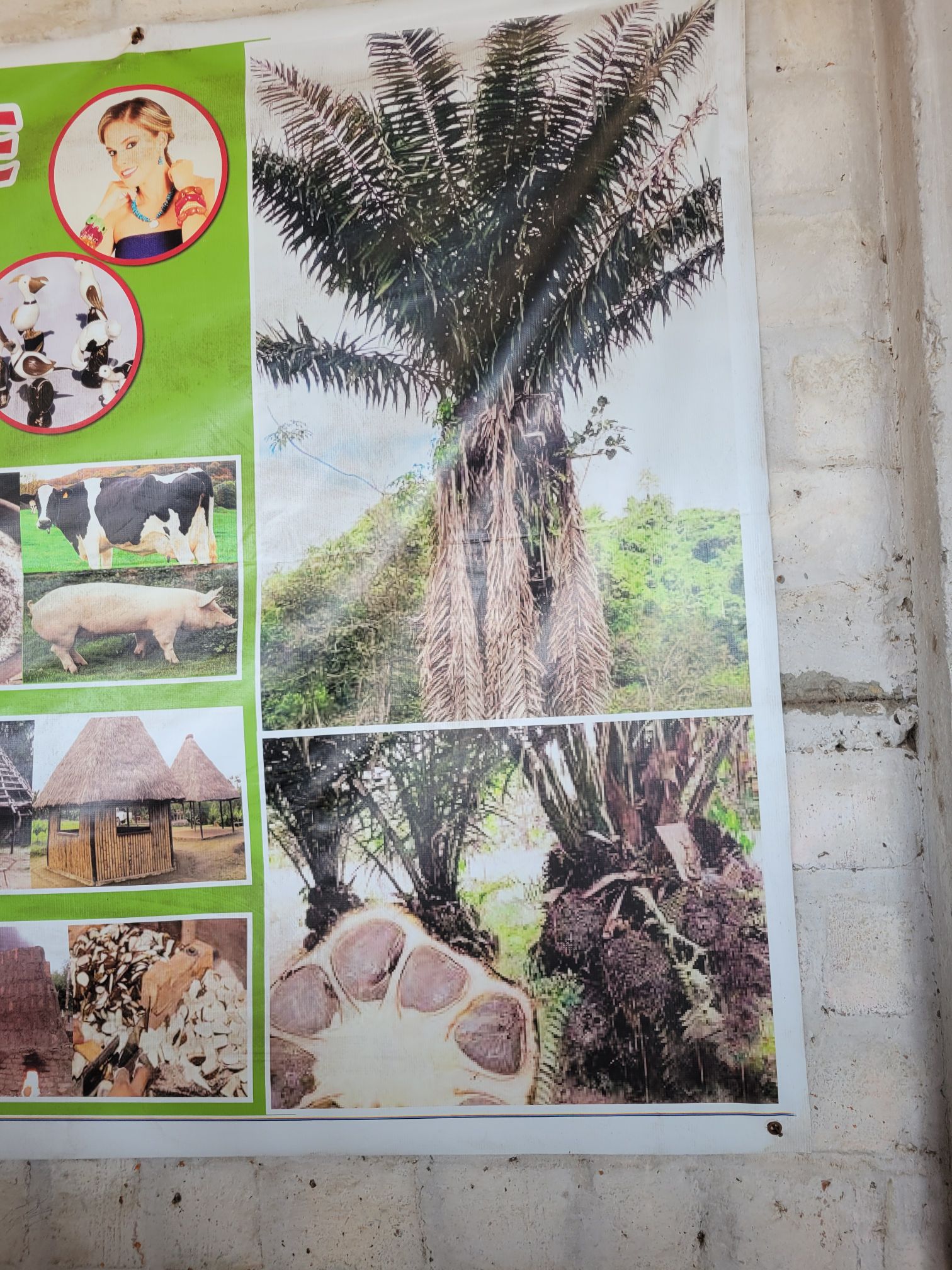
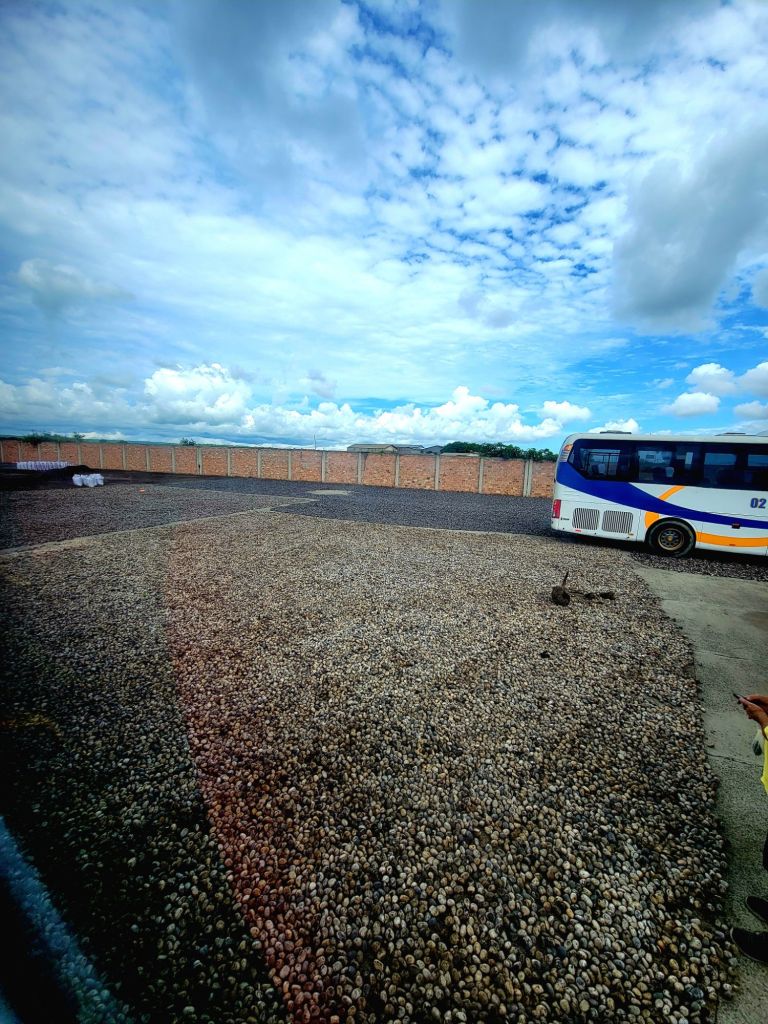
First, we visited a family owned Tagua factory, but factory is a loose term. It was a large area, covered on the ground with Tagua seeds, drying in the sun, and we drove our bus over them!!! Then a few stations under a tented area. Like really ???? a factory ??? This ended up being one the best artisan spots. Tagua nut, also known as vegetable ivory, is a product made from the very hard white endosperm of the seeds of certain palm trees. Vegetable ivory is named for its resemblance to animal ivory. Vegetable ivory is naturally white with a fine marbled grain structure. It can be dyed; dyeing often brings out the grain. It is still commonly used in buttons, jewelry, and artistic carving.
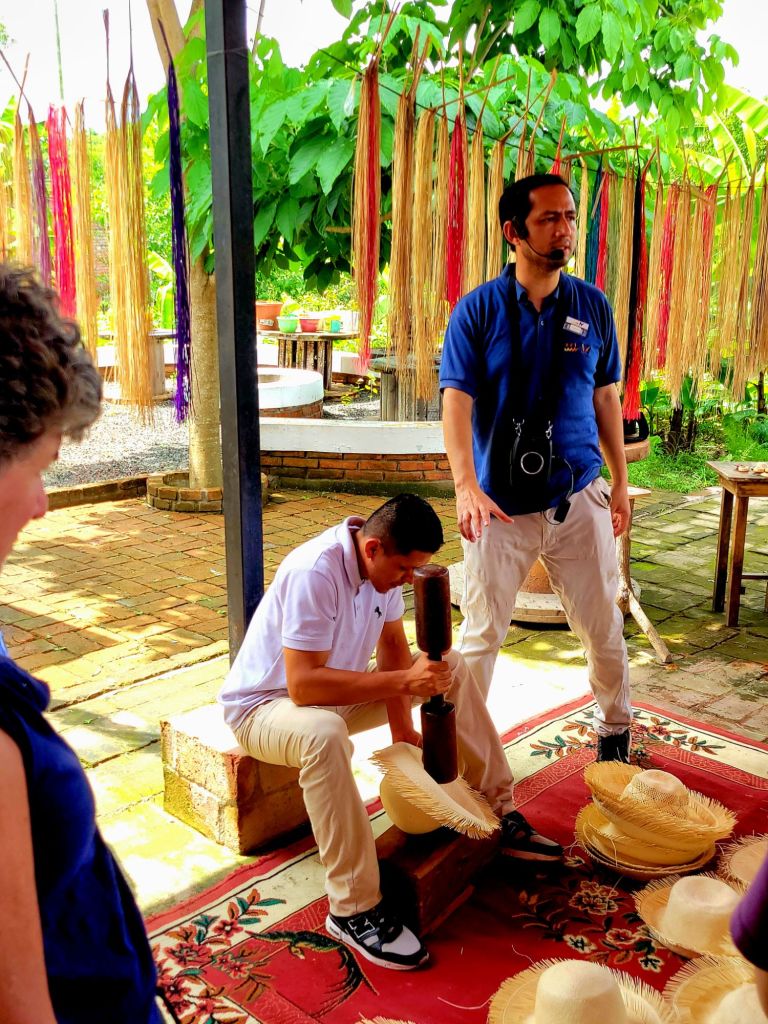
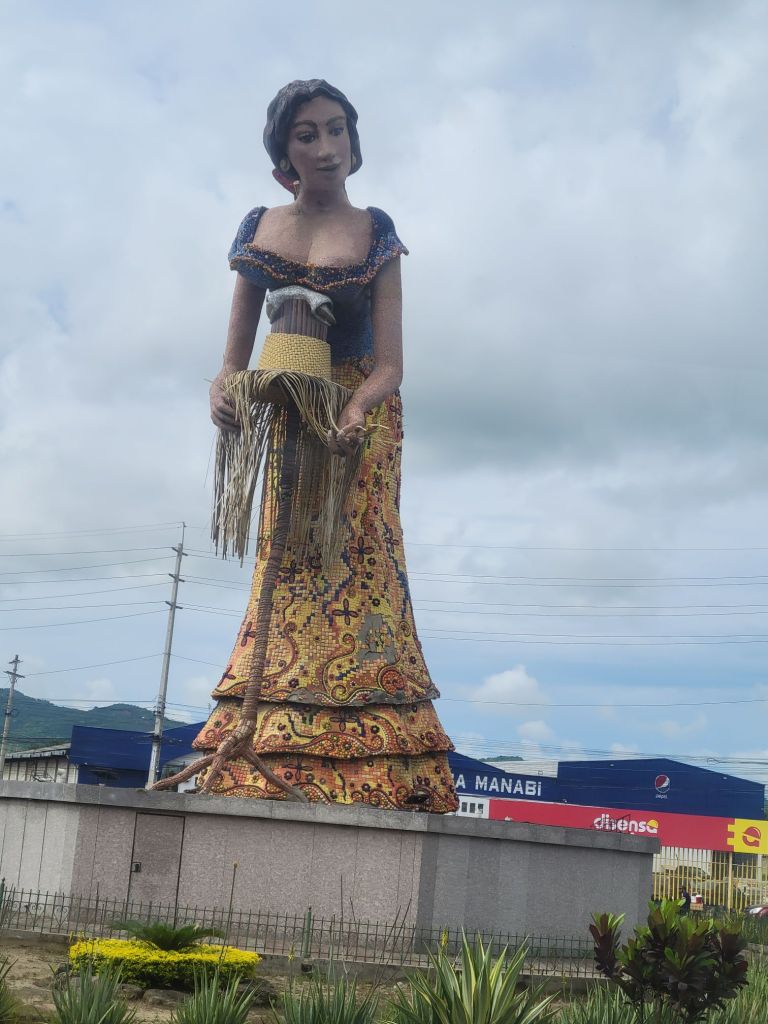
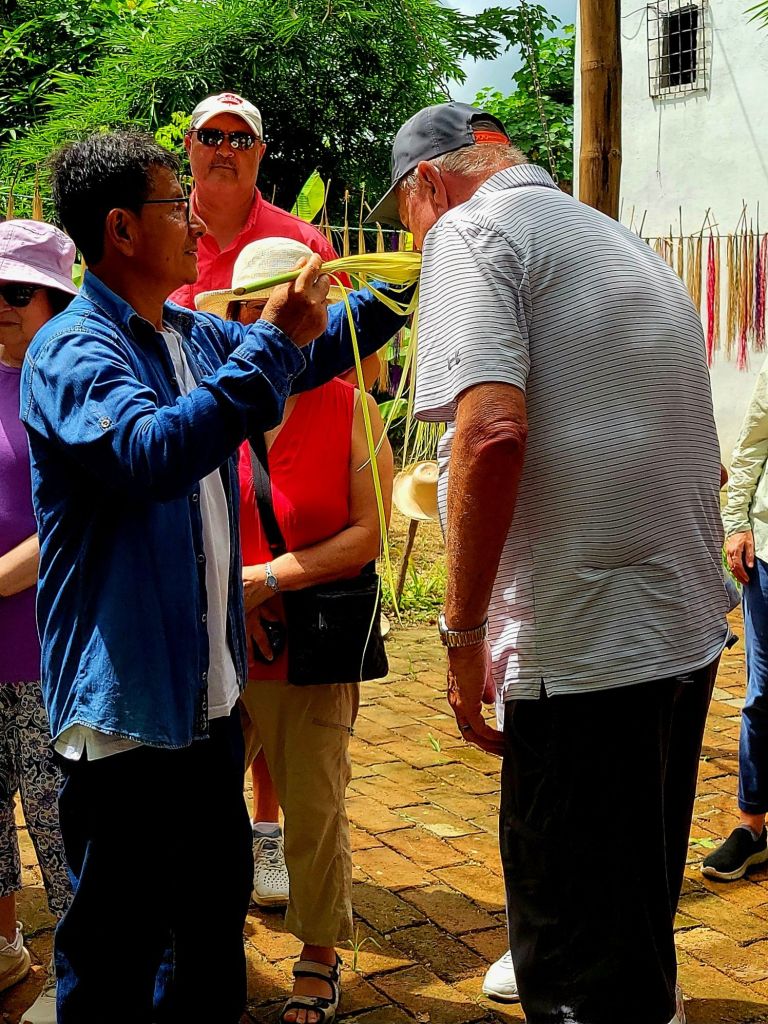
We ventured on to the “Panama” hat center of the world…Montecristi. As most people know, the so-called Panama hat originated in Ecuador not Panama. President Roosevelt bought an Ecuadorian hat in Panama and hence called it by the wrong name and it stuck all these years. The family demonstration was something to see, so lots of pictures. The weaving is fast becoming a lost art. Our guide was happy to see some younger weavers. And I was so impressed, I bought a hat.
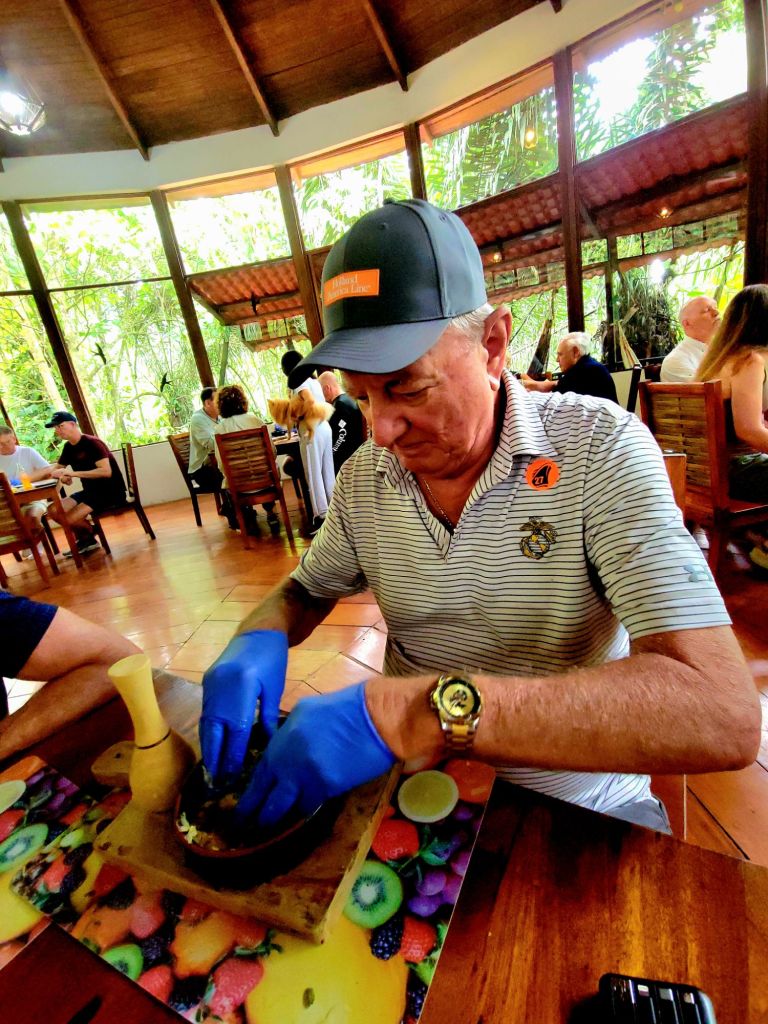
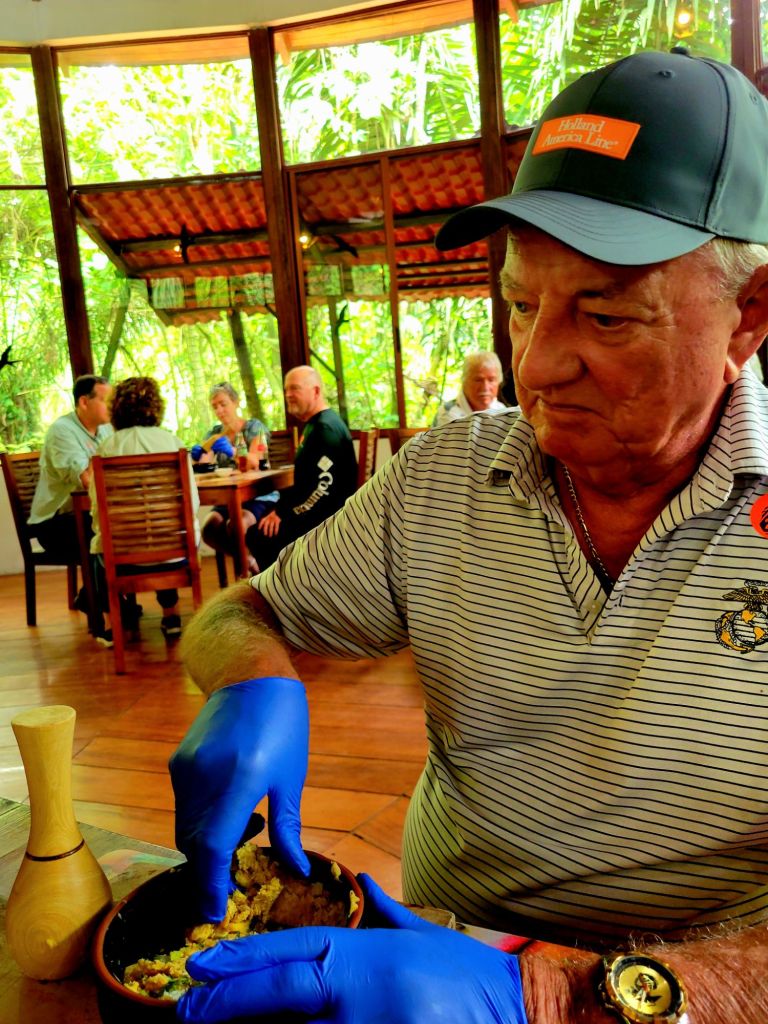
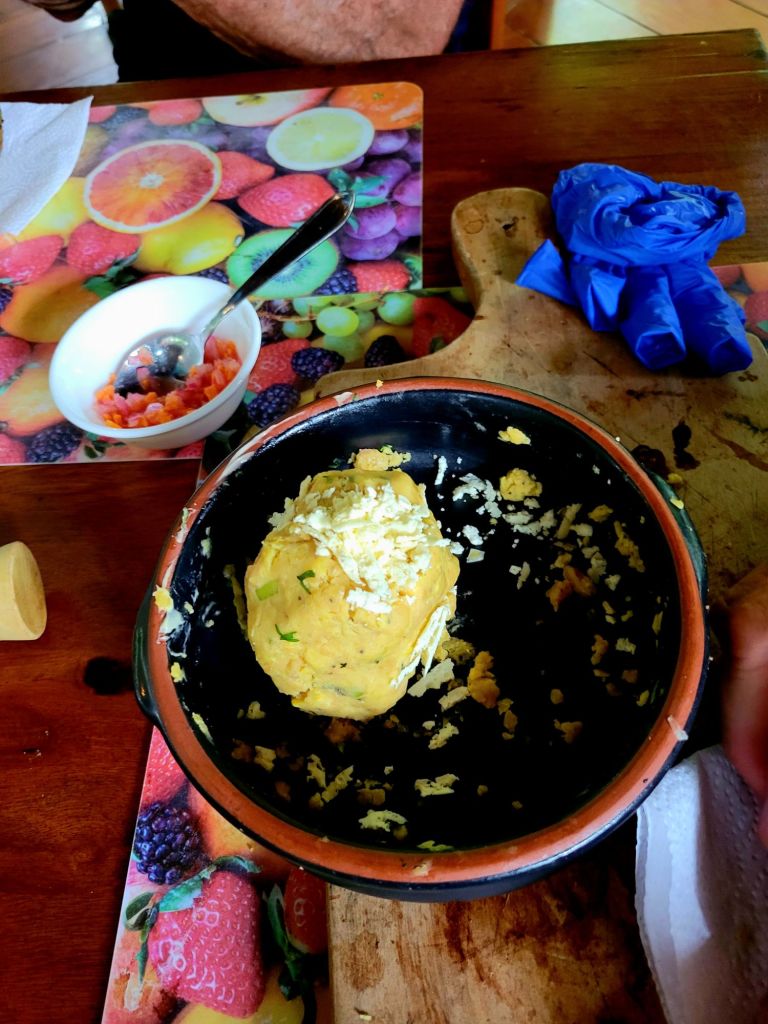
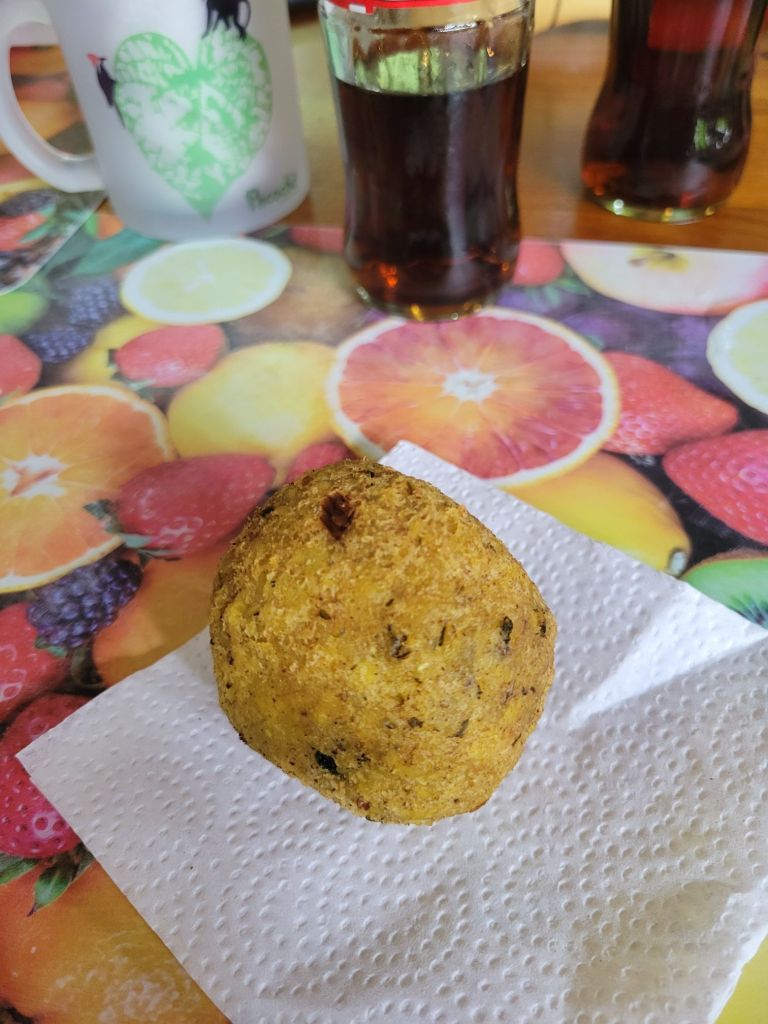
Off to a restaurant in the rain forest for a cooking lesson. Patrick was our table’s voted chef. He prepared our Bolon de Verde. The base is plantain, yes – I tasted it, yes – it was delicious, yes – we plan on making it at home.
.

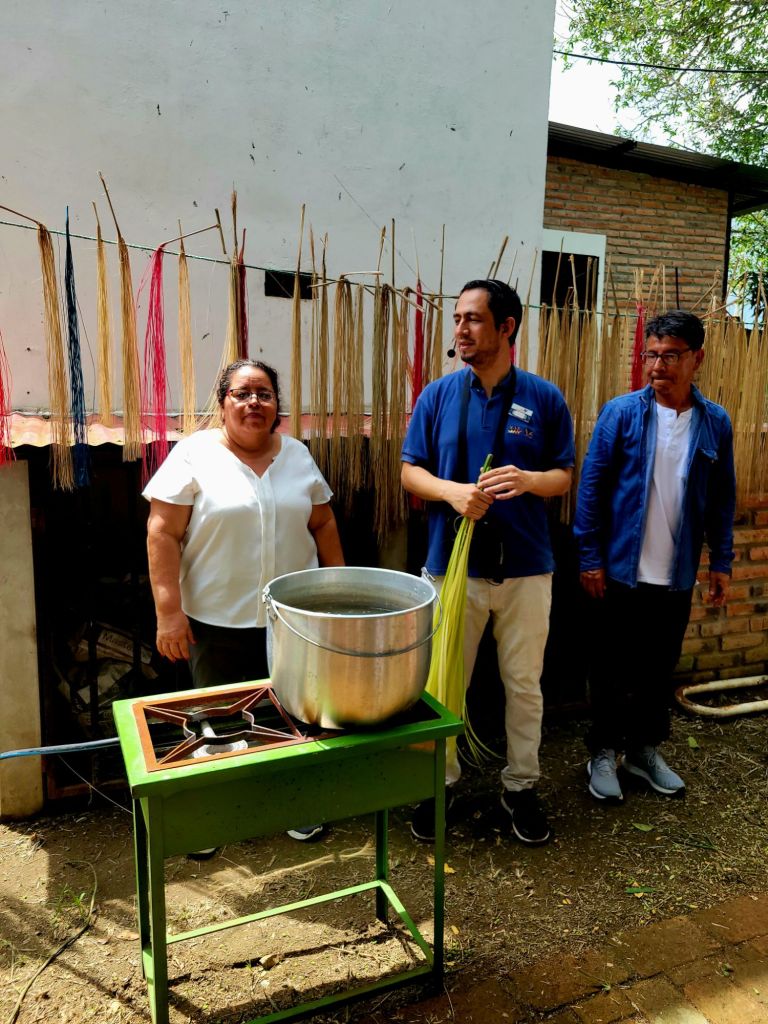
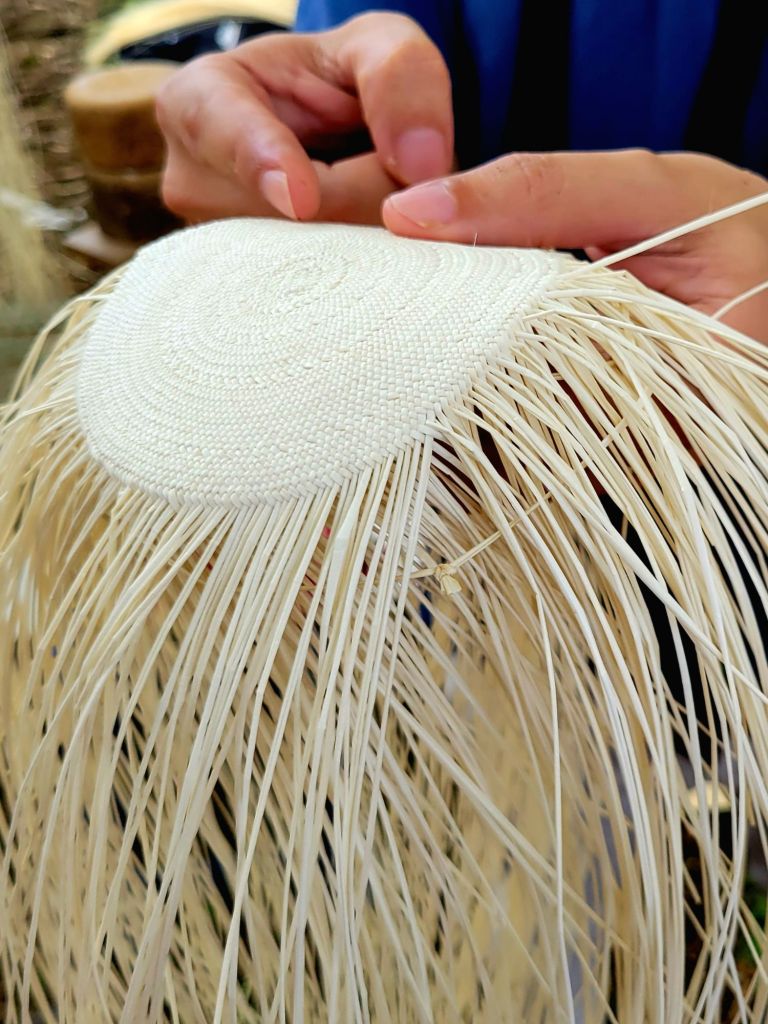
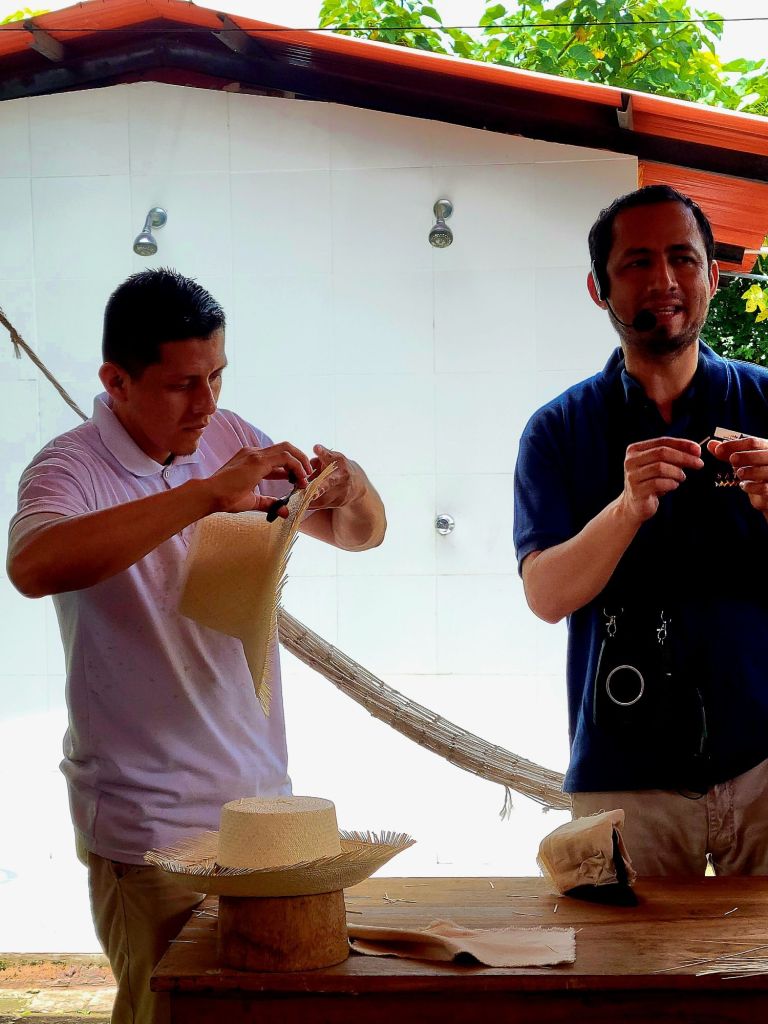
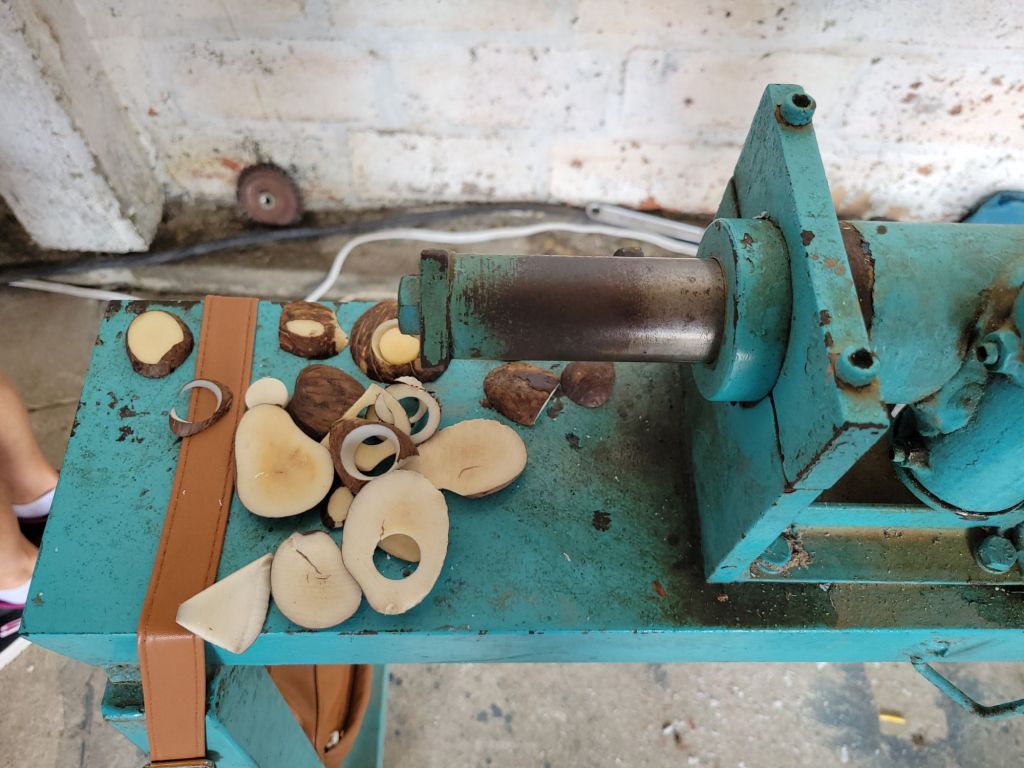



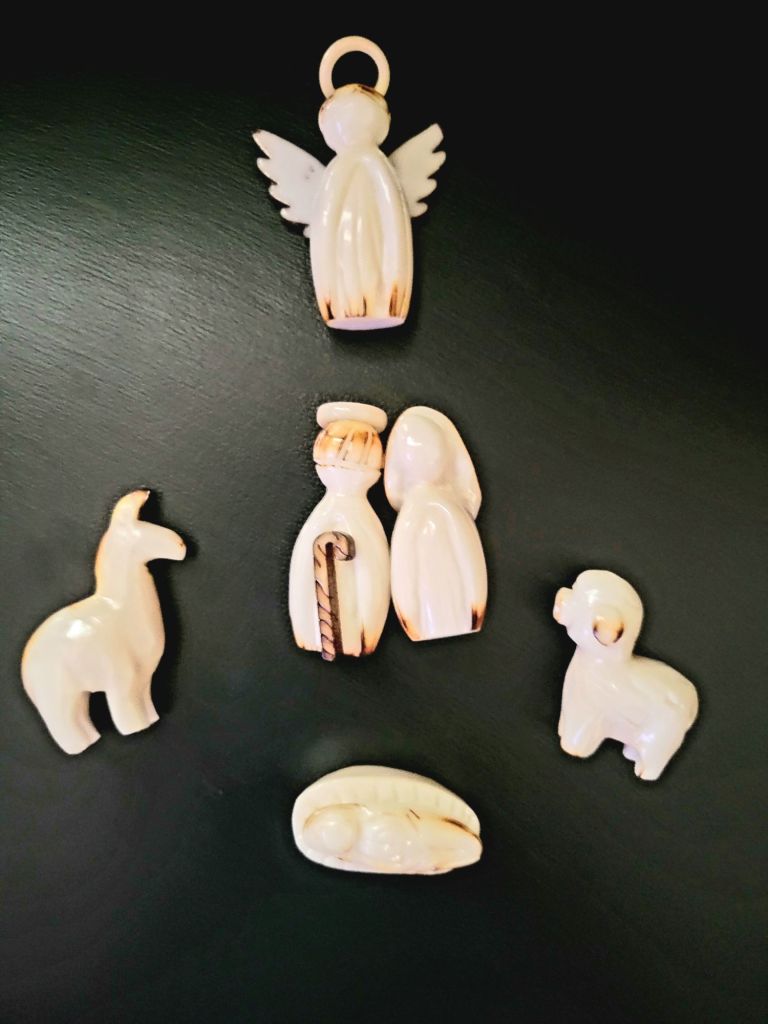
I’m sure somewhere they have a machine to do the work, but this family still does much of it by hand. My Nativity set from tagua nut. It is my favorite souvenir. Only carried a small amount of cash and didn’t realize they took credit cards. Probably a good thing. I would have bought a whole lot more.


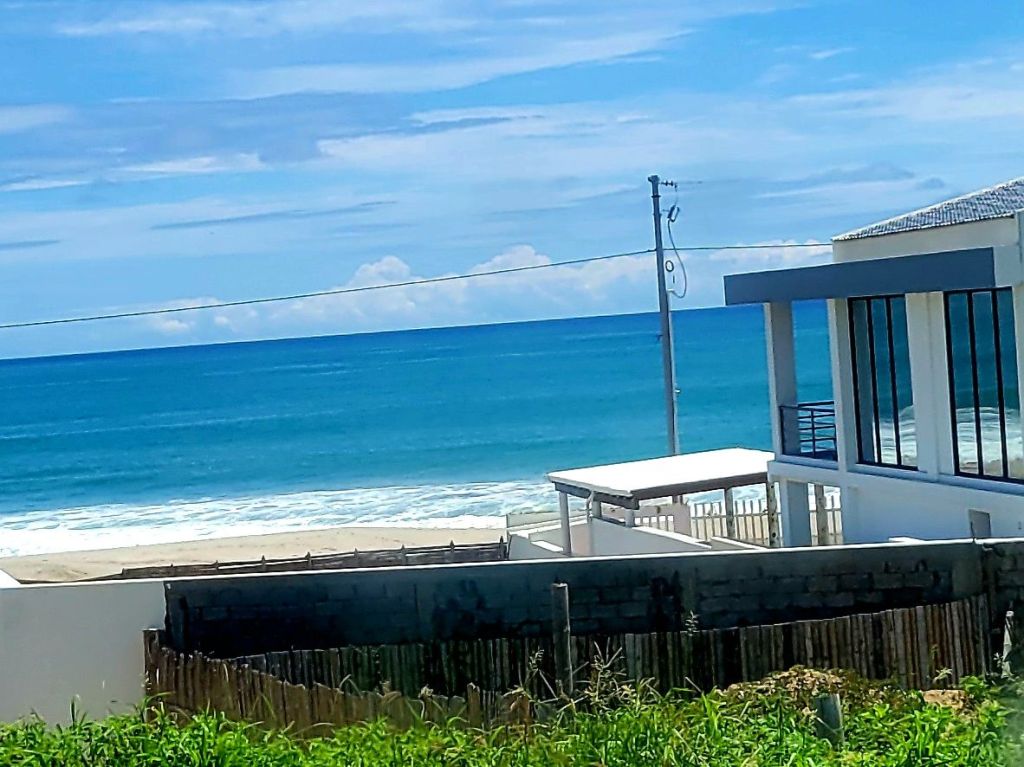
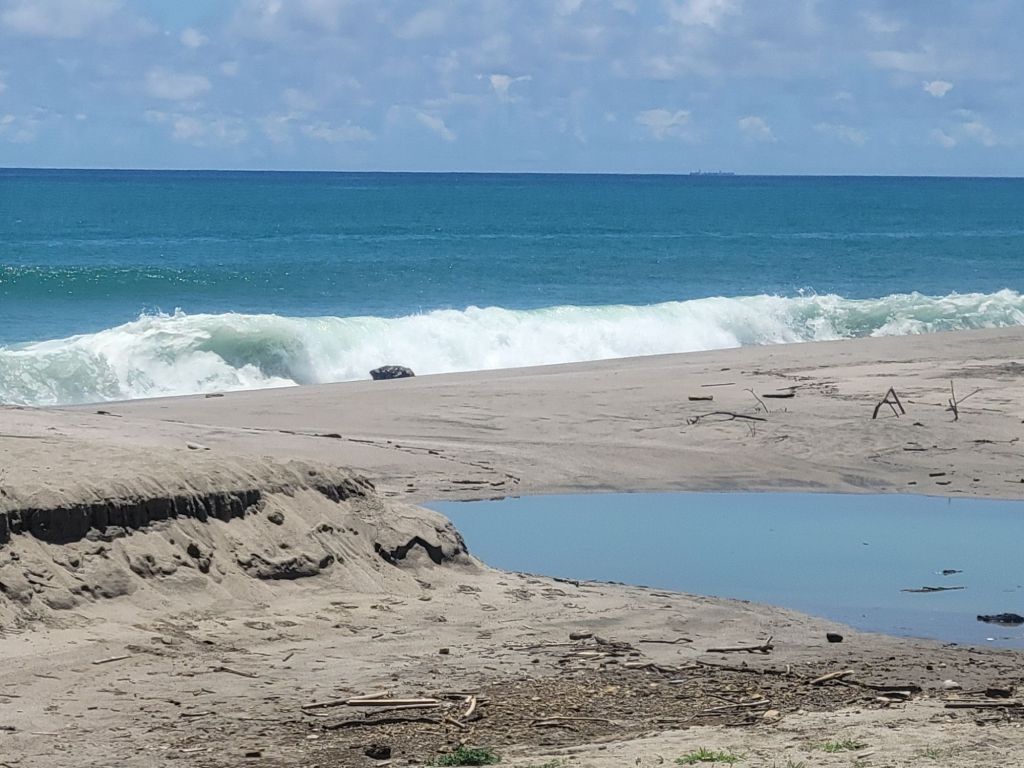
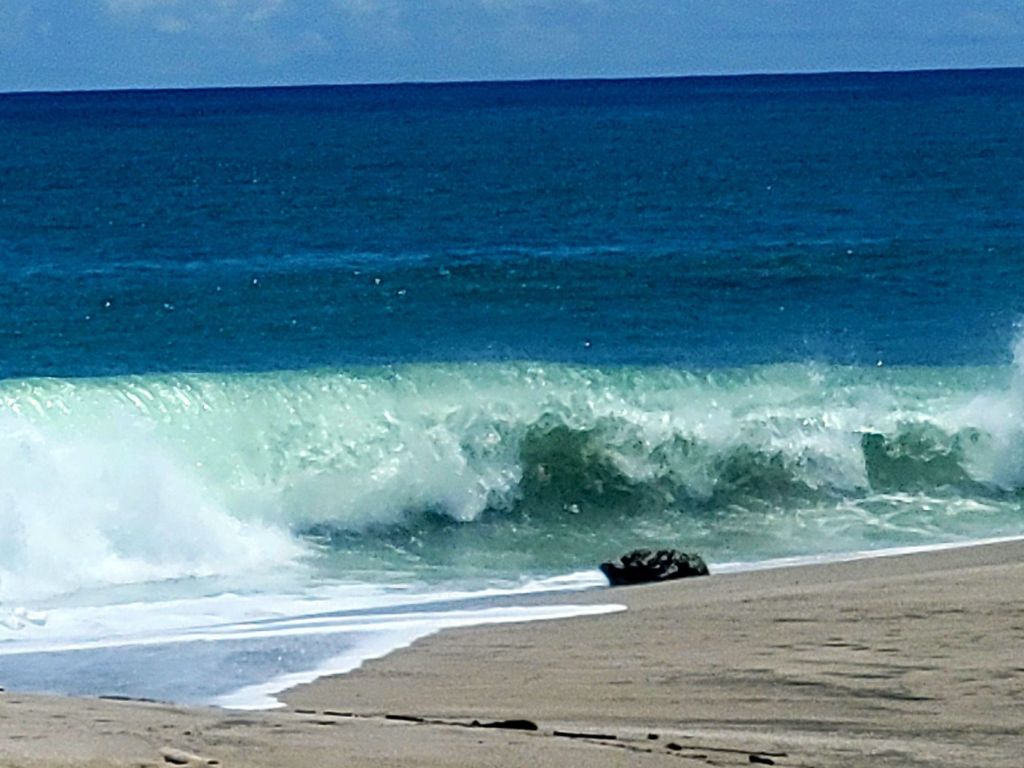
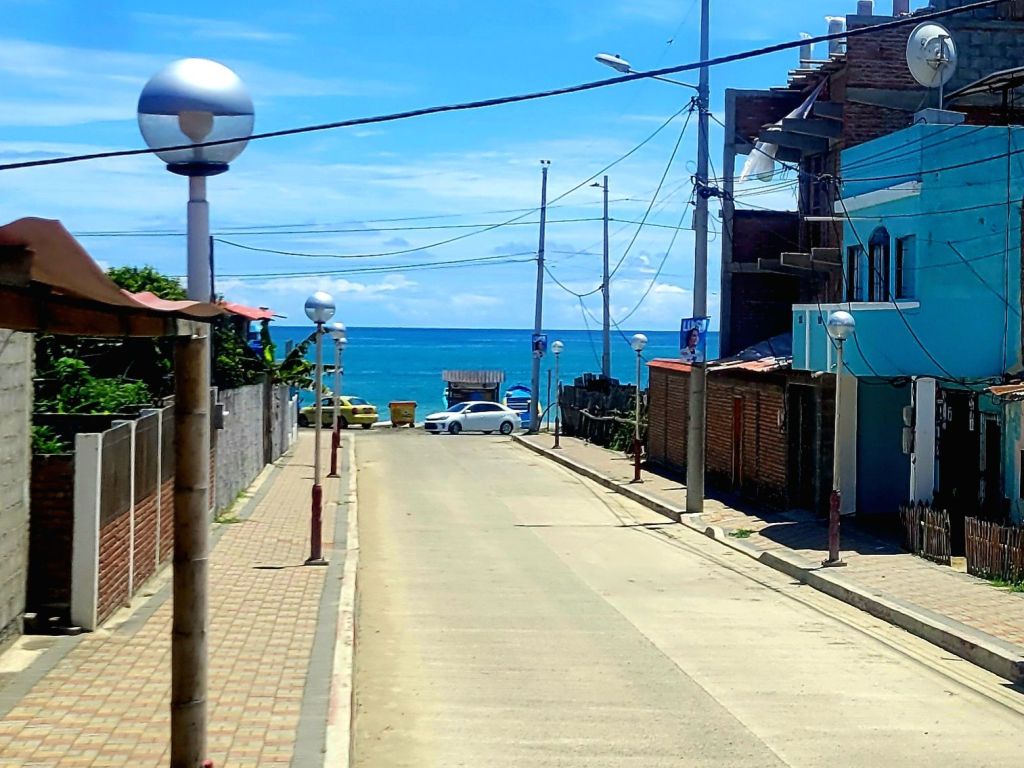
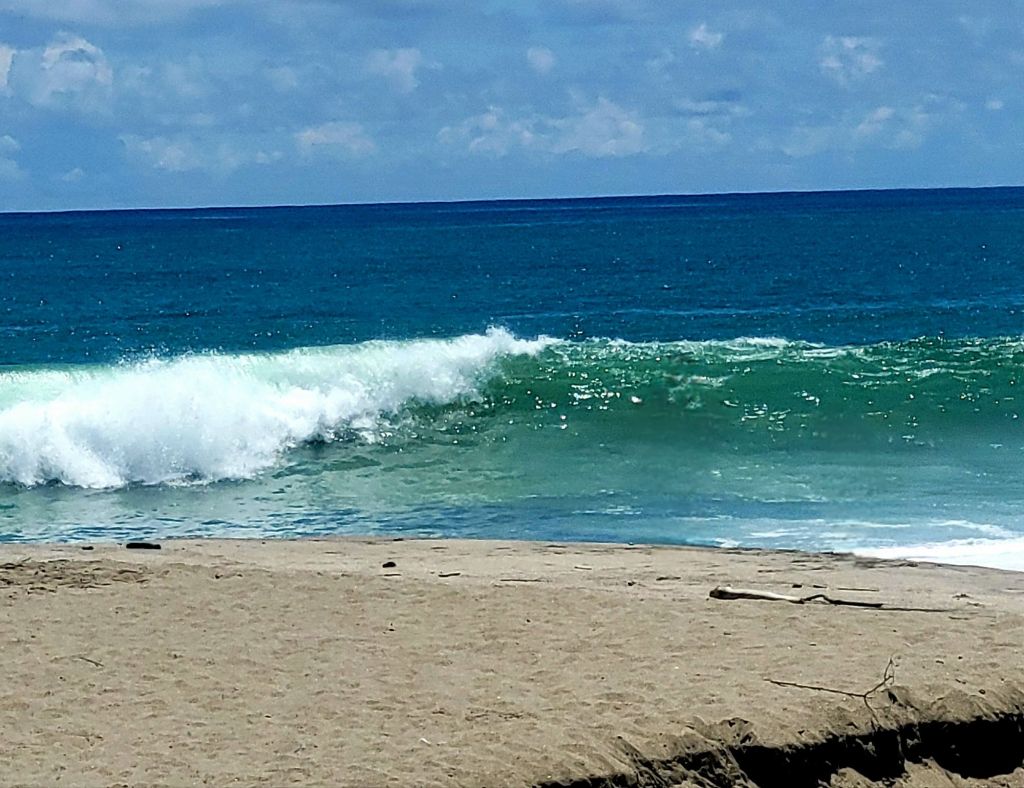
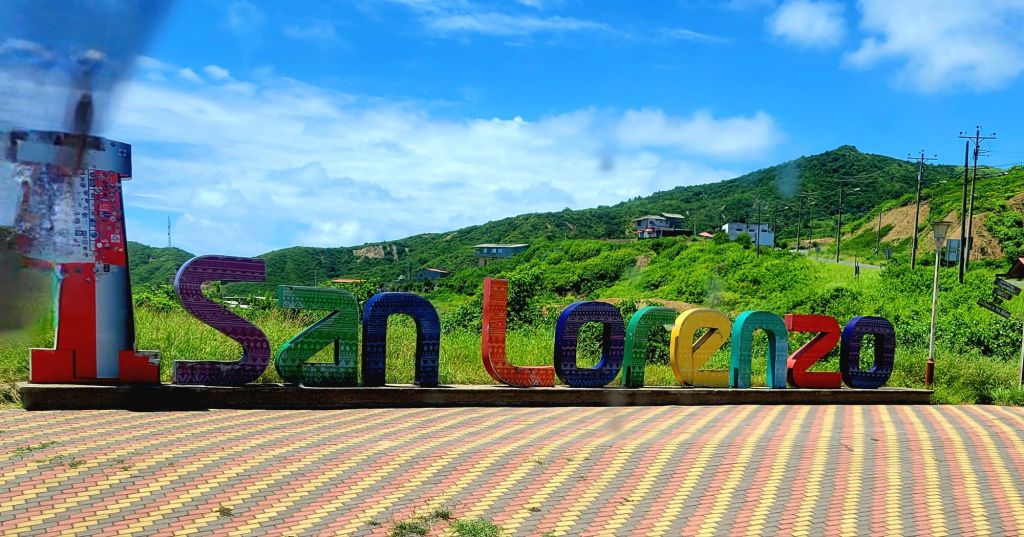
Off to the beach and then Pacoche’s restaurant


 Suzi Travels
Leave a comment