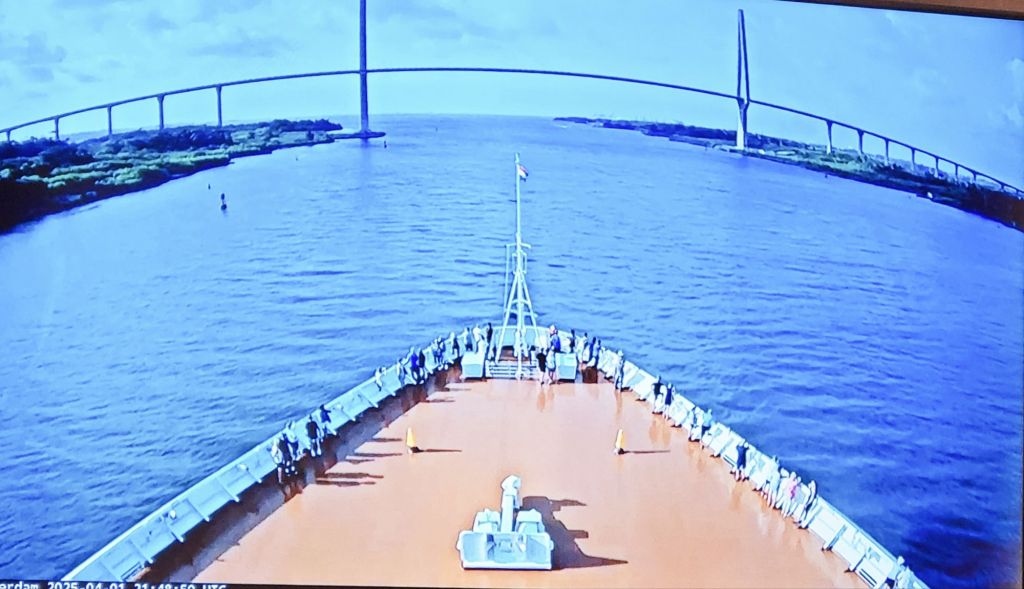
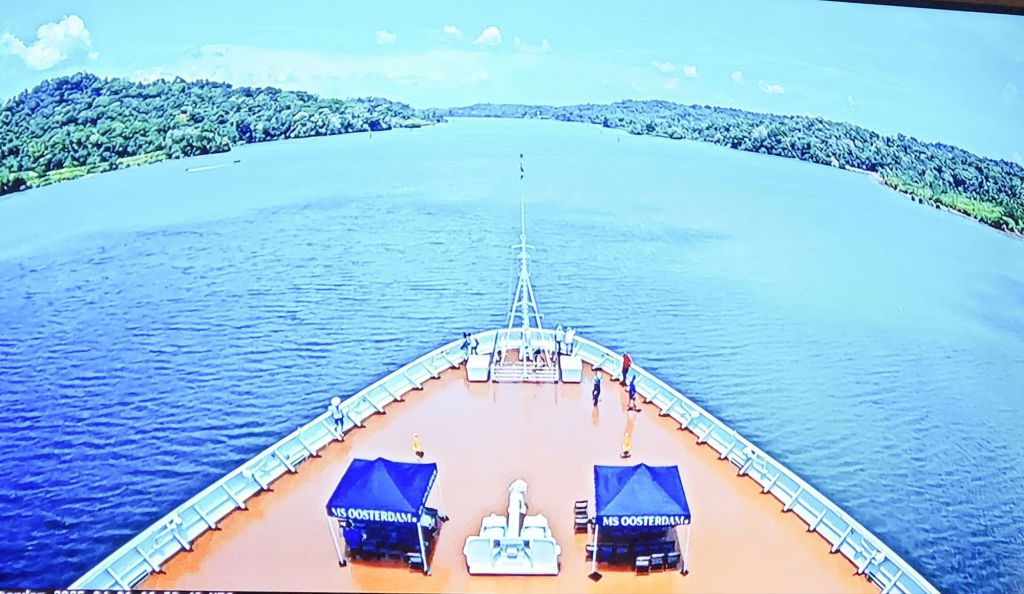
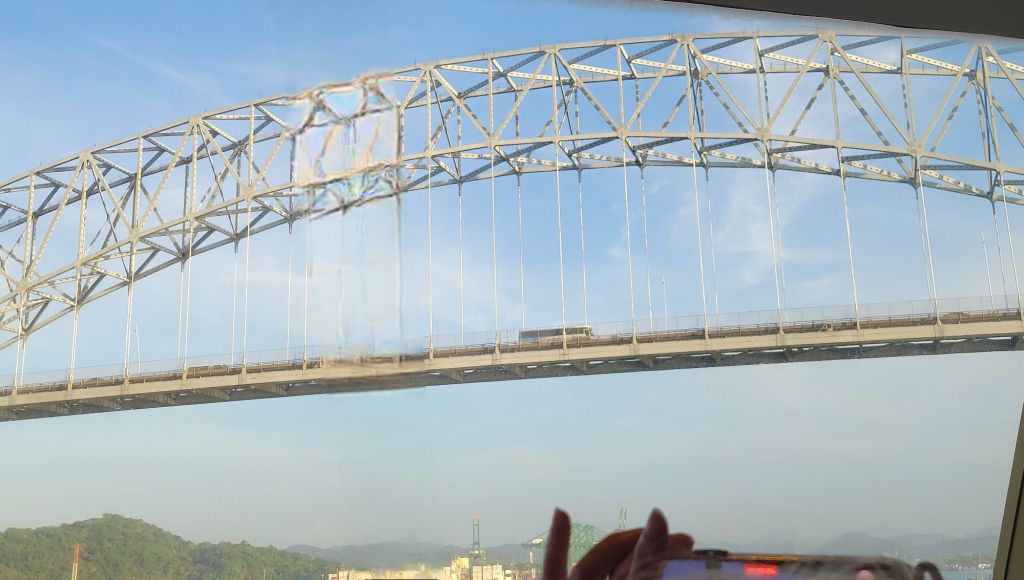
Crossing of the Panama Canal.
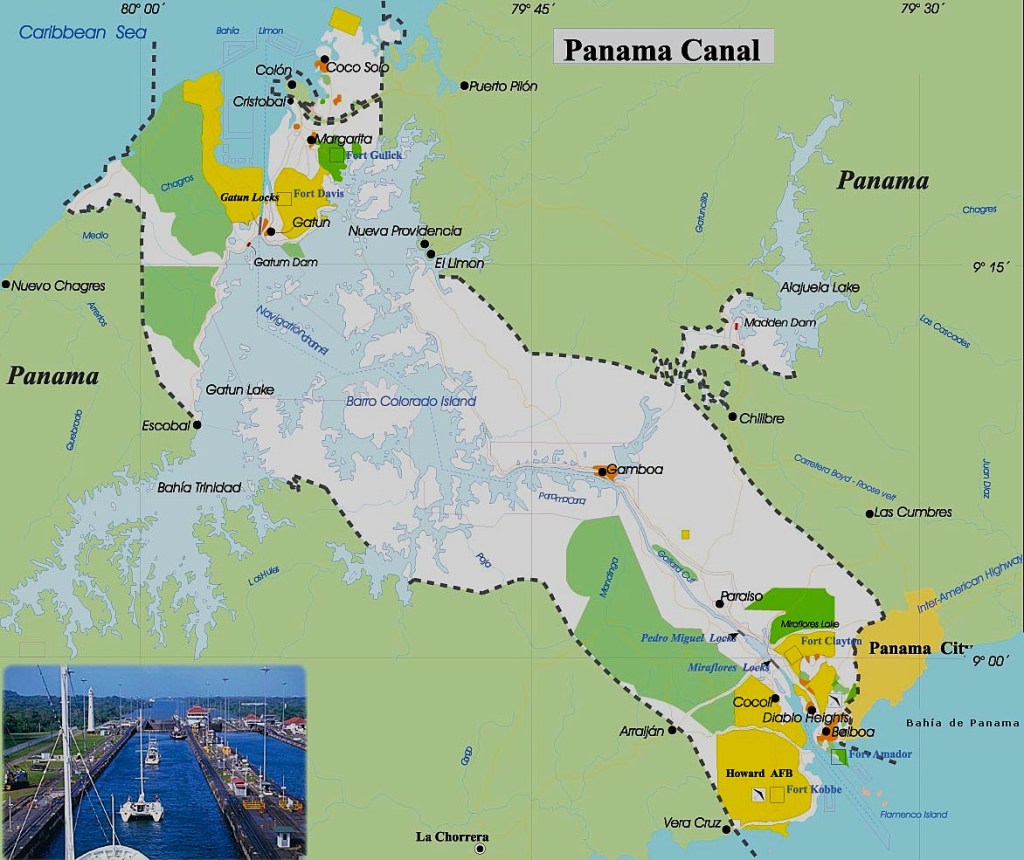
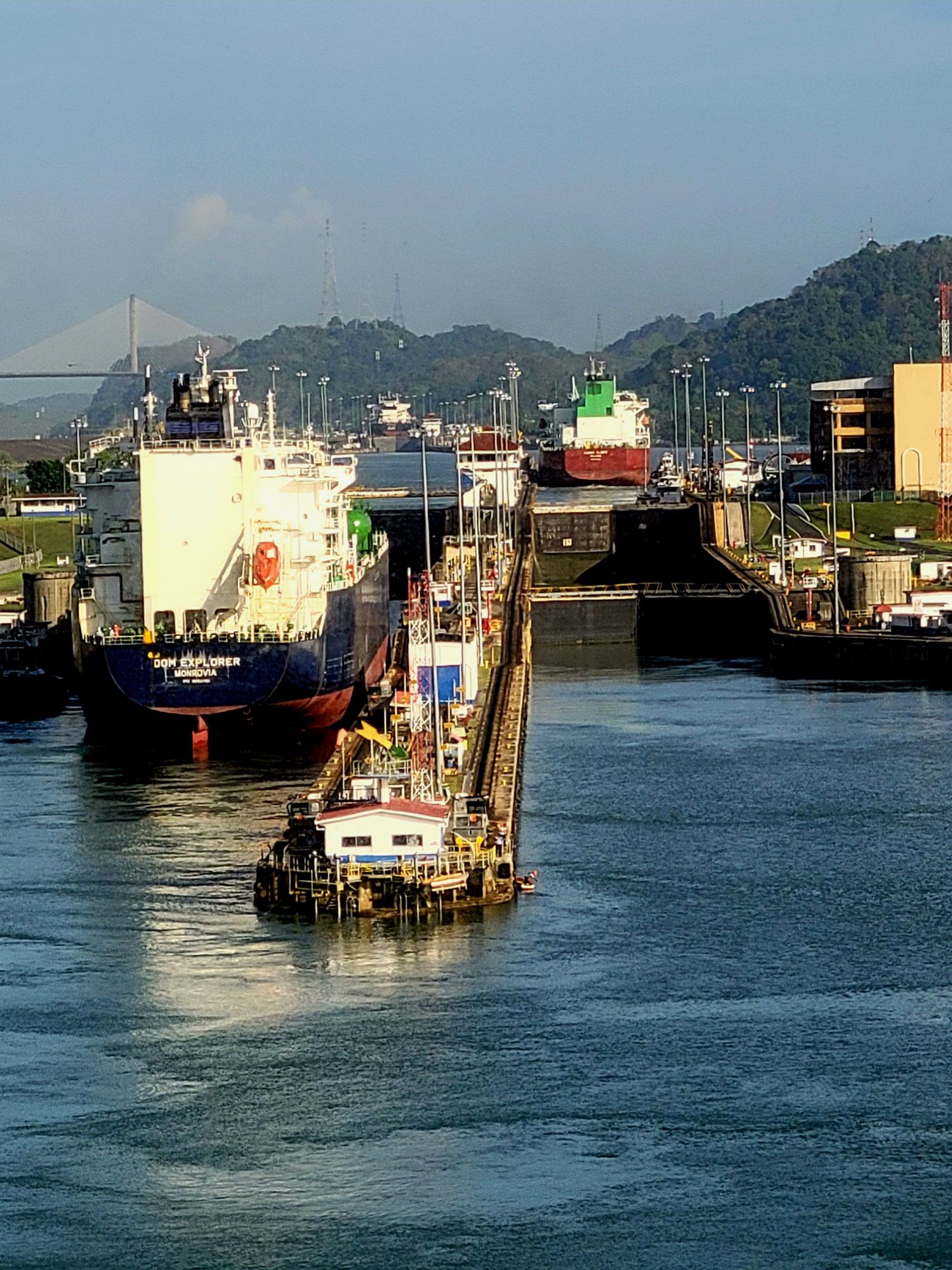
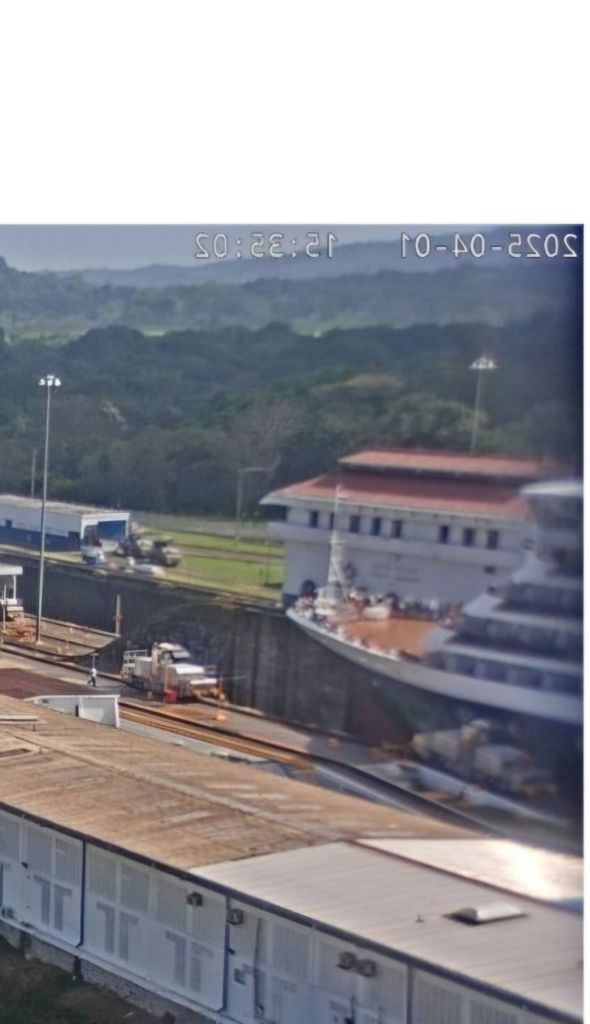
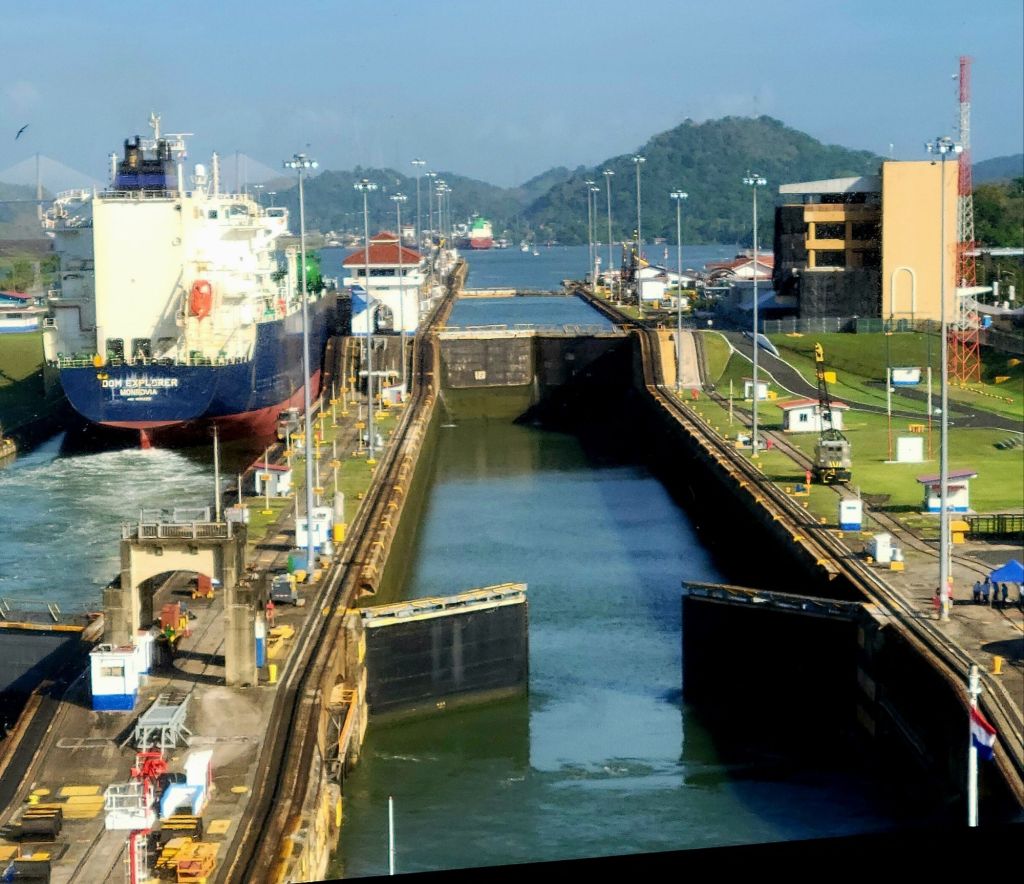
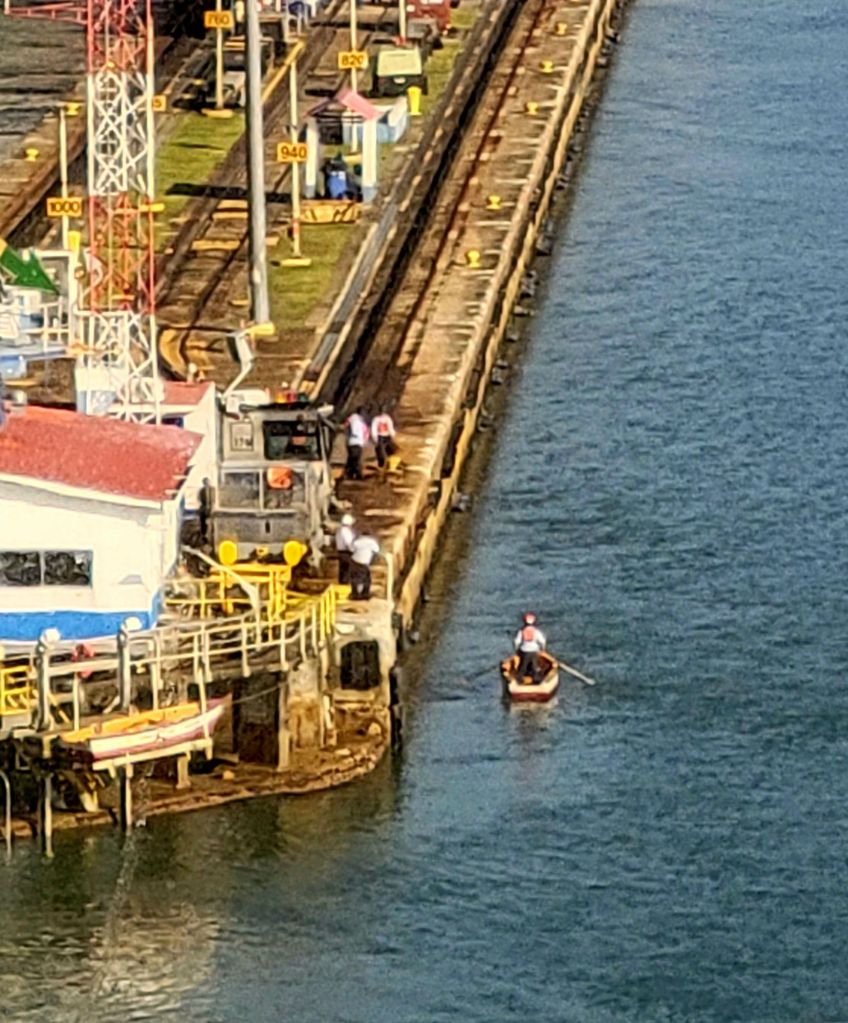
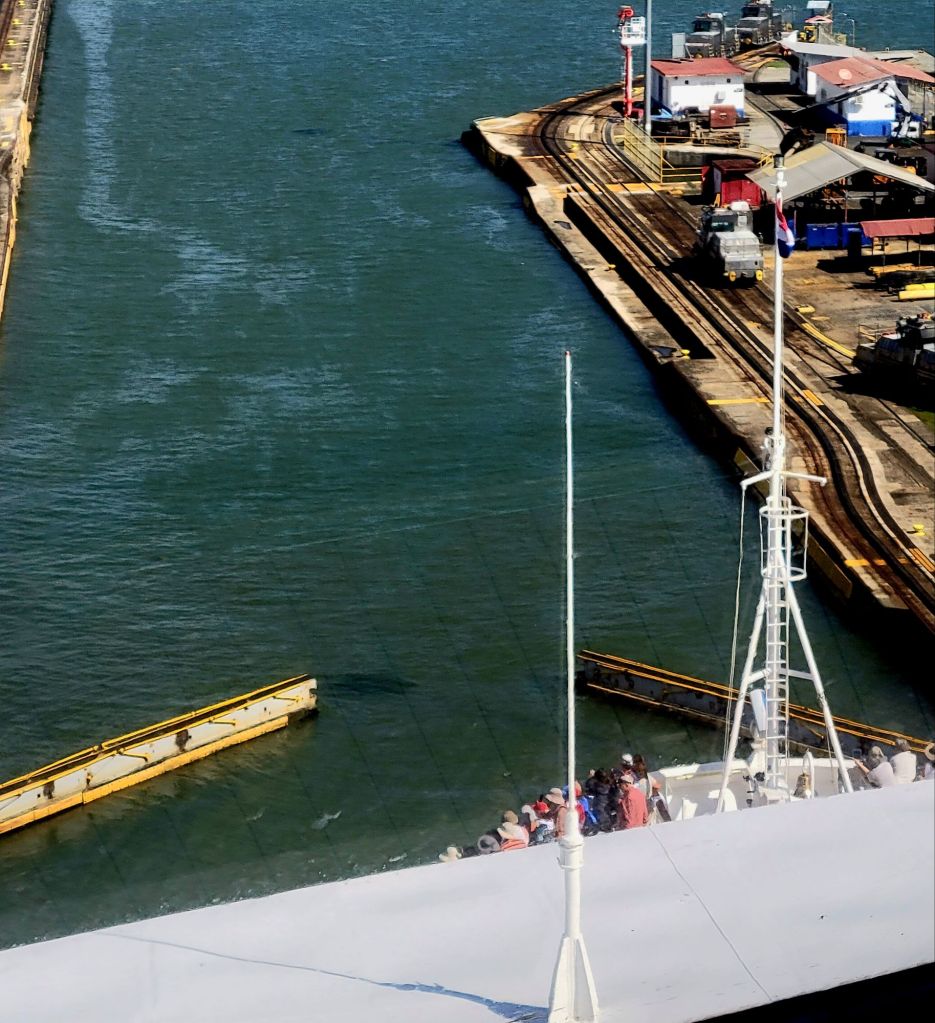
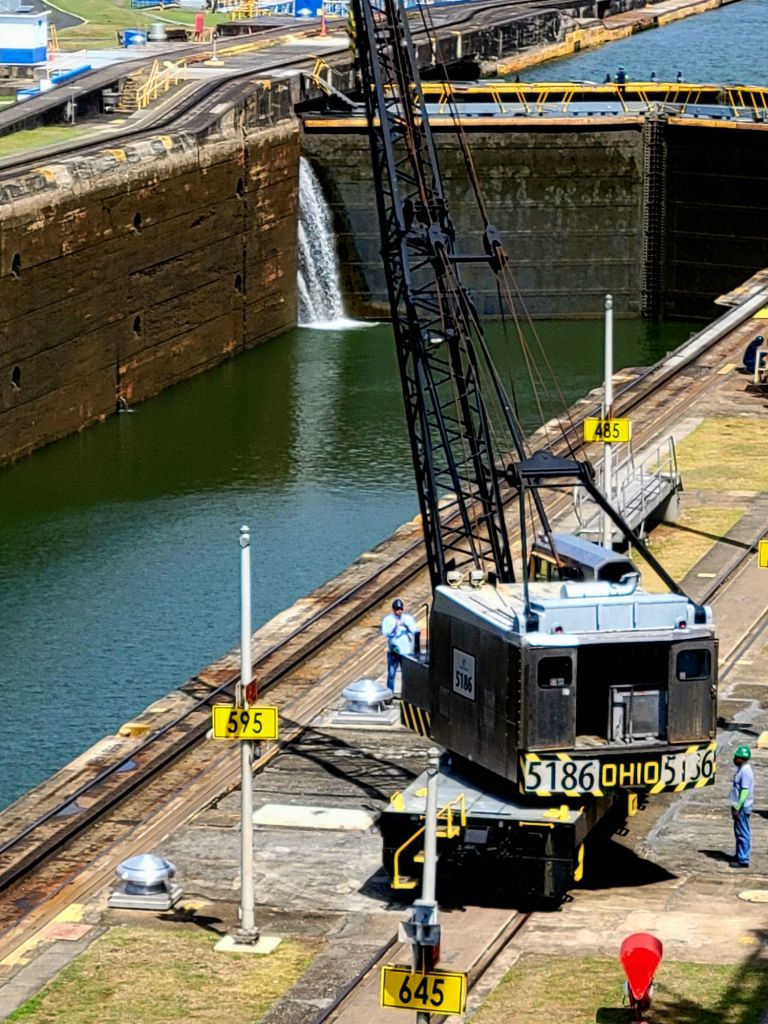
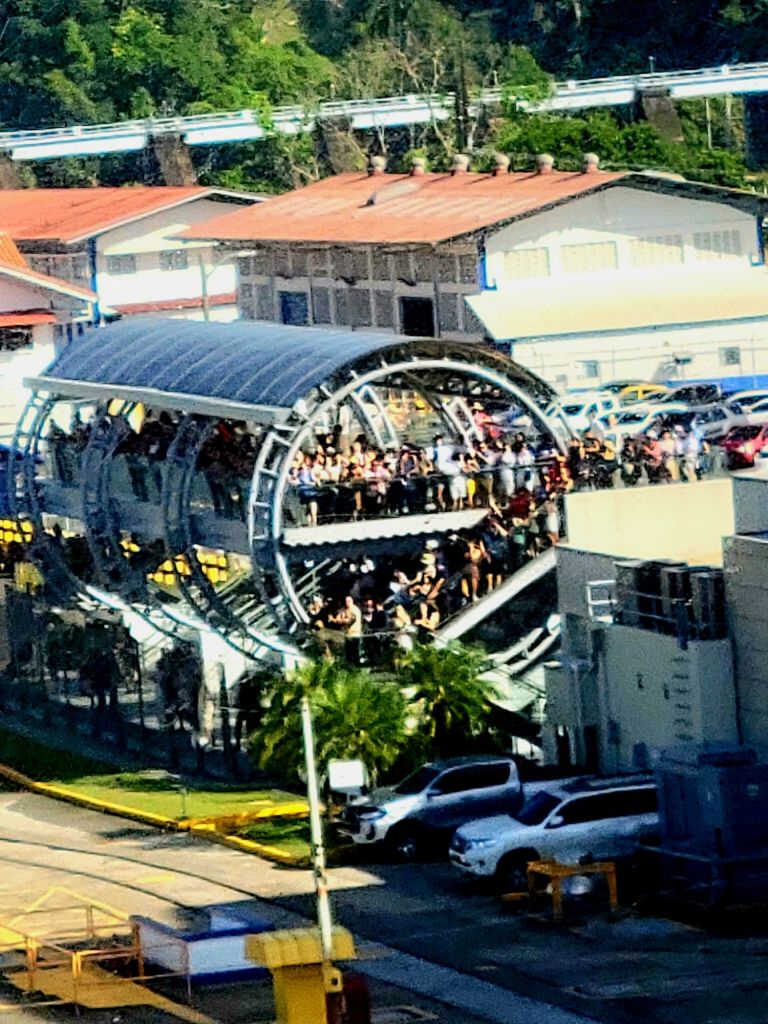
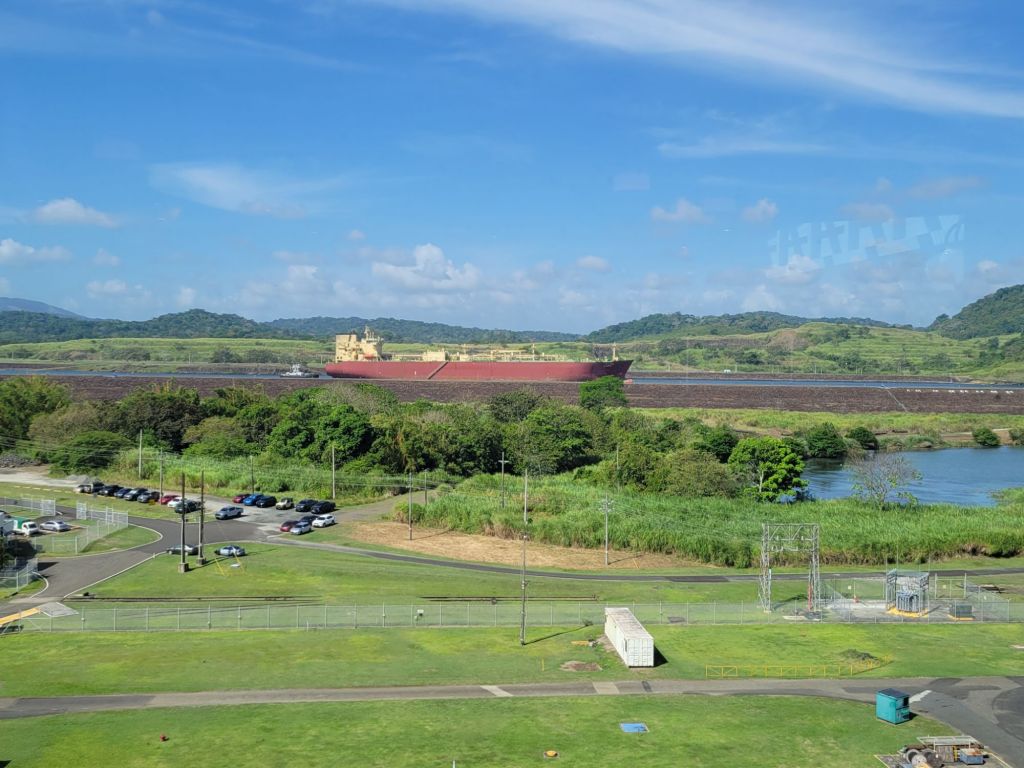
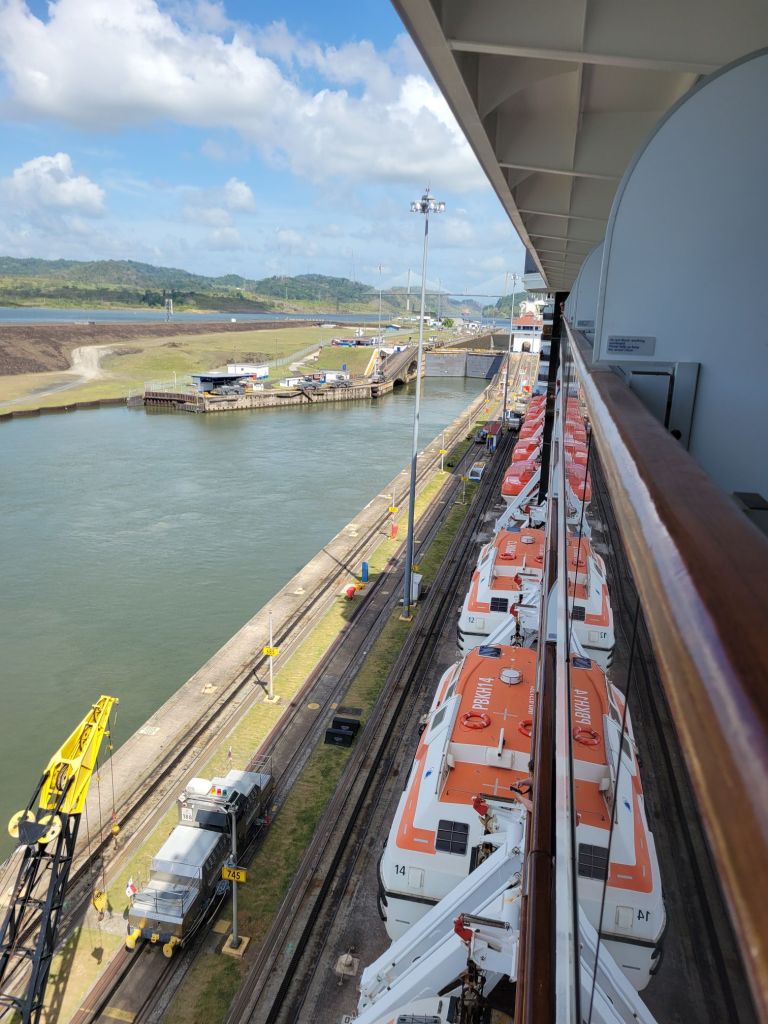
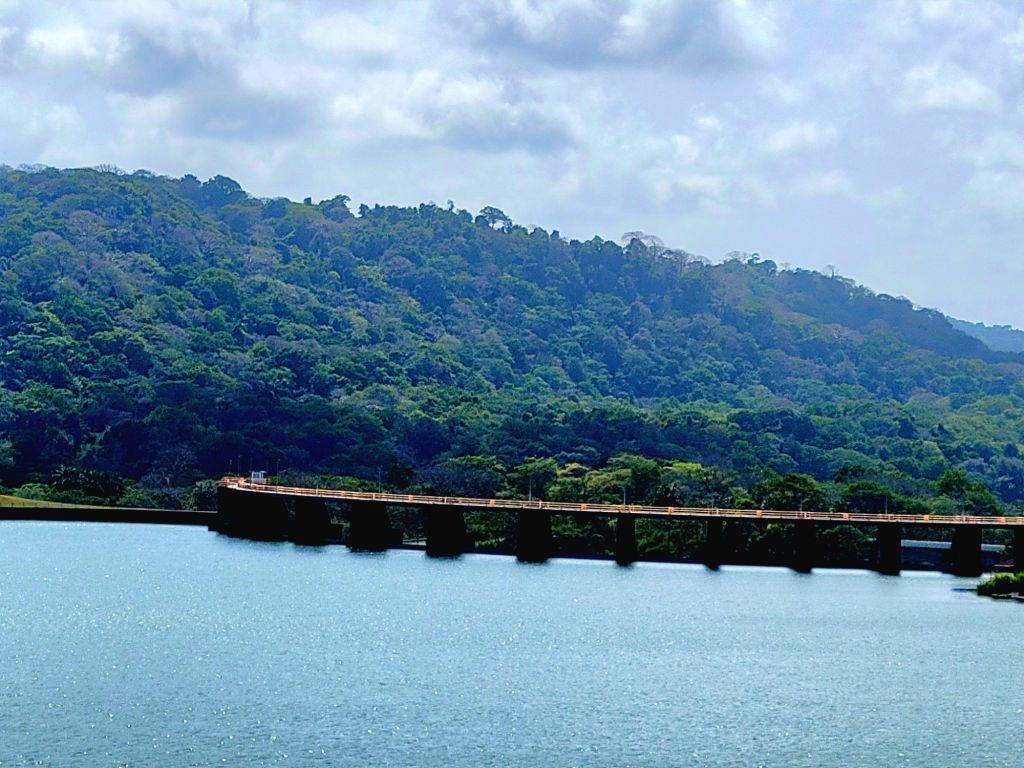
The Panama Canal was first developed following the failure of a French construction team in the 1880s after 11 years and about 5 miles completed. Then the United States commenced building a canal across a 50-mile stretch of the narrow Panama isthmus in 1904. The project was helped by the elimination of disease-carrying mosquitoes, while chief engineer John Stevens devised innovative techniques and spurred the crucial redesign from a sea-level to a lock canal. His successor, Lt. Col. George Washington Goethals, stepped up excavation efforts of a stubborn mountain range and oversaw the building of the dams and locks. The locks are mechanical and run by electricity. The dam produced Lake Gutan, which is fresh water and responsible for the drinking water for the area as well as hydro-electrical power. It is estimated that at least 30,000 people died in the making of this canal. Opened in 1914, oversight of the world-famous Panama Canal was transferred from the United States to Panama in 1999. The original canal is a two-way canal with 3 walls, with a ship maximum size of 956 ft long and 110 ft wide. Northbound ships are given an odd number, and southbound an even number. We were N27 Zulu (a priority code) and 106 ft wide. So, we had a whopping 2 ft leeway on each side. The average cost of passage is $200,000. There is a special formula of cubic feet, net tons and type of revenue cargo.
A second and larger canal was added in 2009 through the efforts of the Panamanian government for a total cost of 5.2 billion dollars. It is a one-way canal, 60 feet deep and locks are hydraulic. Many countries assisted in the design and completion of the Neo-panamax canal: Italy, Spain, France, Belgium and United States. This is the side the bigger cruise ships have to use for about $500,000. This biggest ship is the MSC freighter Marie and when fully loaded is about 1.5 million to use the canal.
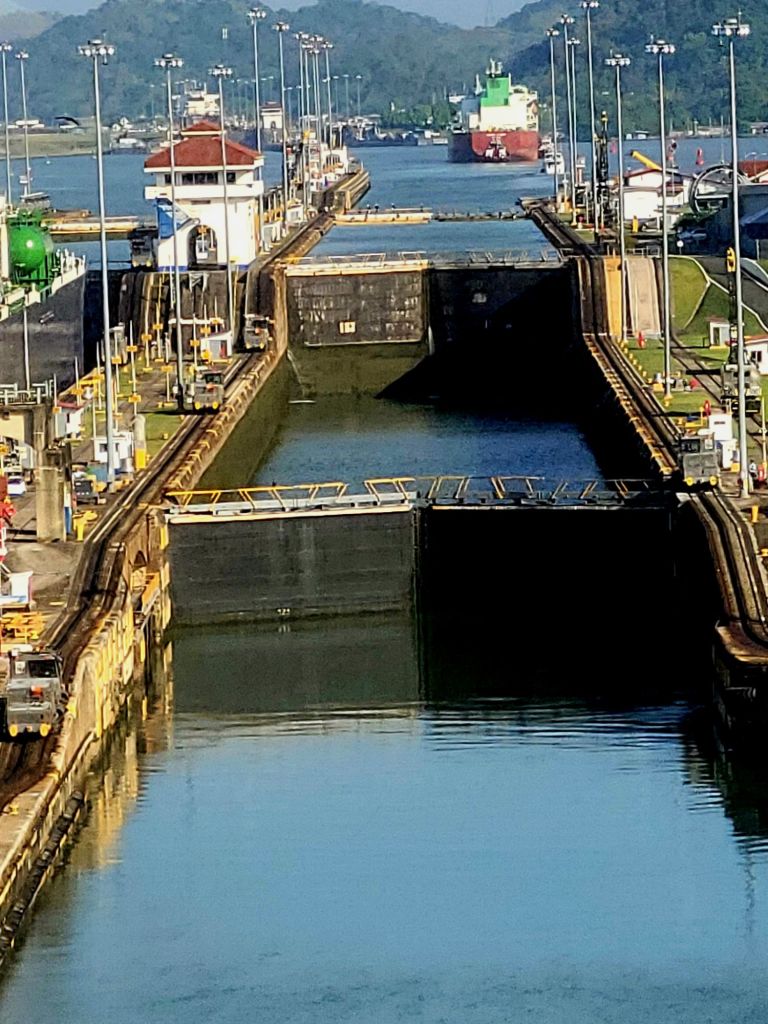
The locks system theory is simple — all based on gravity and the fact that water seeks it’s own level. From the Pacific to the Atlantic (or vice versa) there is an 85-foot rise/drop in water level. At each end, it is considered sea-level.
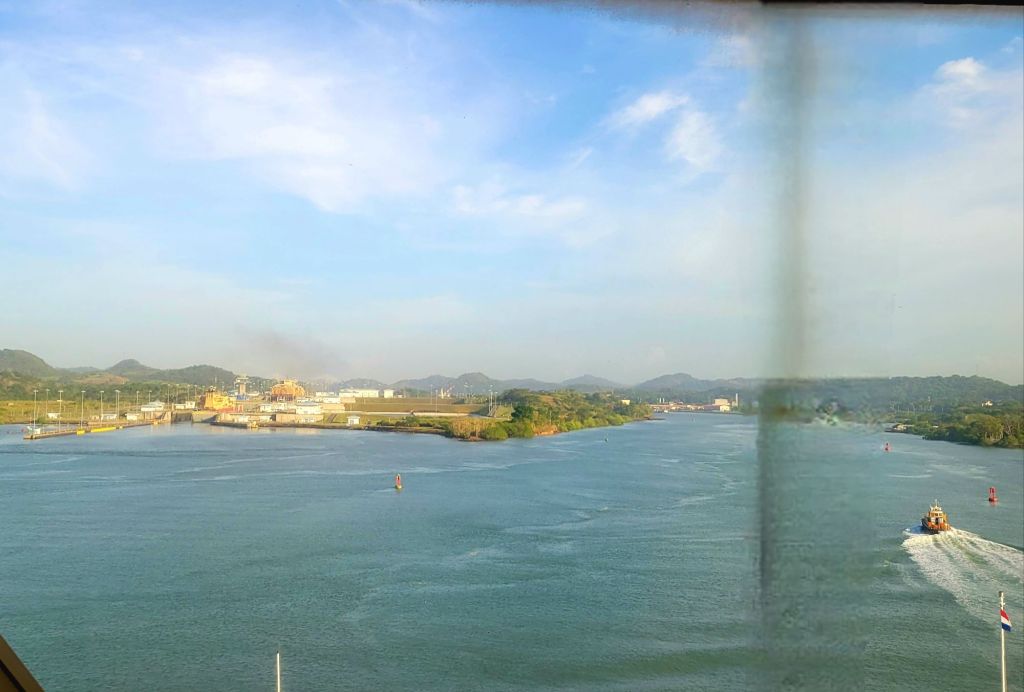
There are three sets of locks: Miraflores with 2 chambers (28 & 27 feet), Pedro Miguel with 1 chamber (30 feet) and Gatun with 3 chambers (23, 32 & 30 feet). It’s pretty awesome to experience.
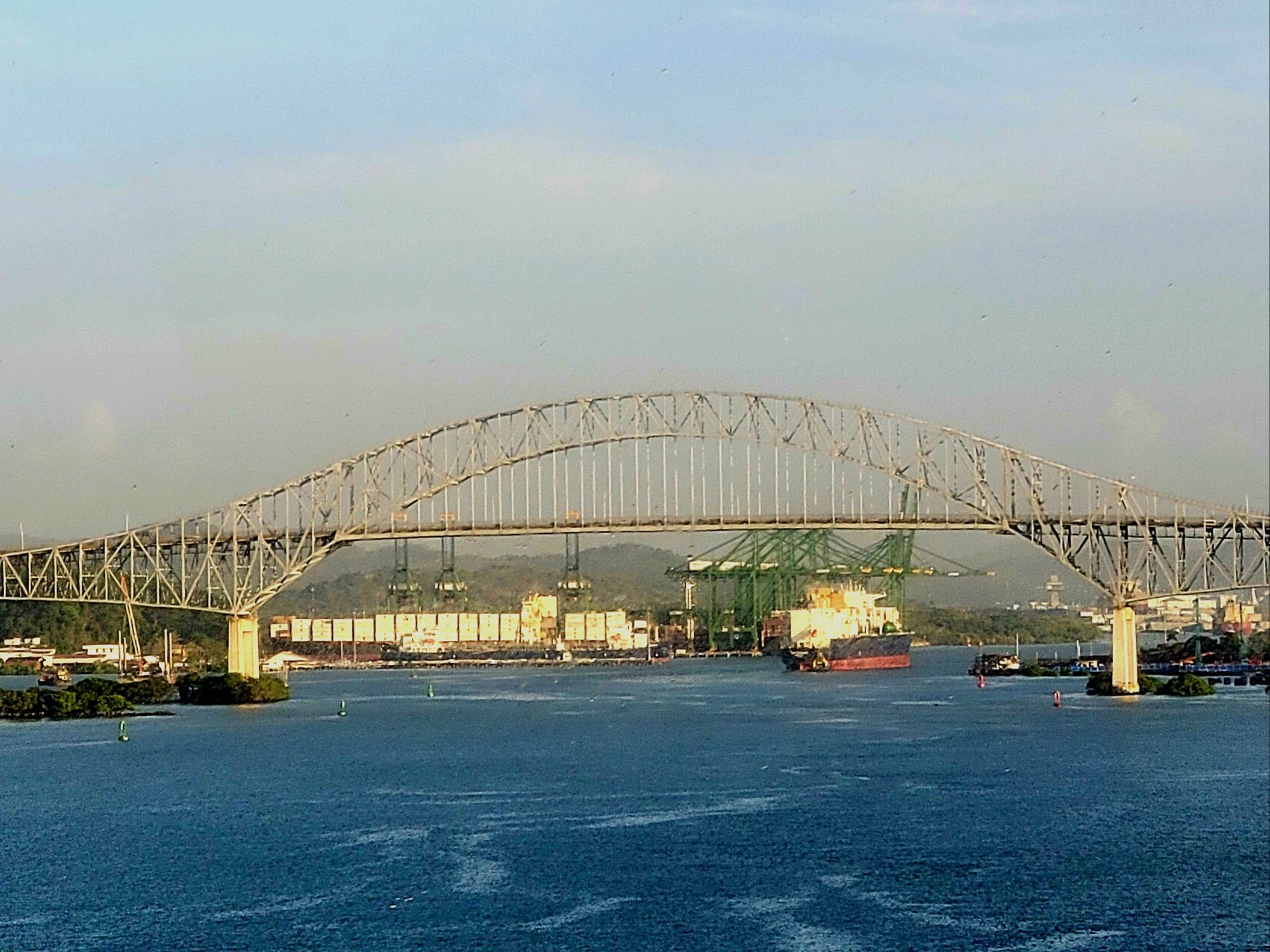
The huge ports of Balboa on the Pacific side and Cristobal on the Atlantic side, are owned by a United Kingdom company based in Hong Kong. Here is a statement on March 4, 2025 “CK Hutchison Holdings Ltd reported that the BlackRock-TiL consortium will acquire: HPH’s 90% stake in Panama Ports Company (PPC), which owns and operates the ports of Balboa and Cristobal in Panama (the Panama Terminals),” the Hong Kong conglomerate said in a statement.
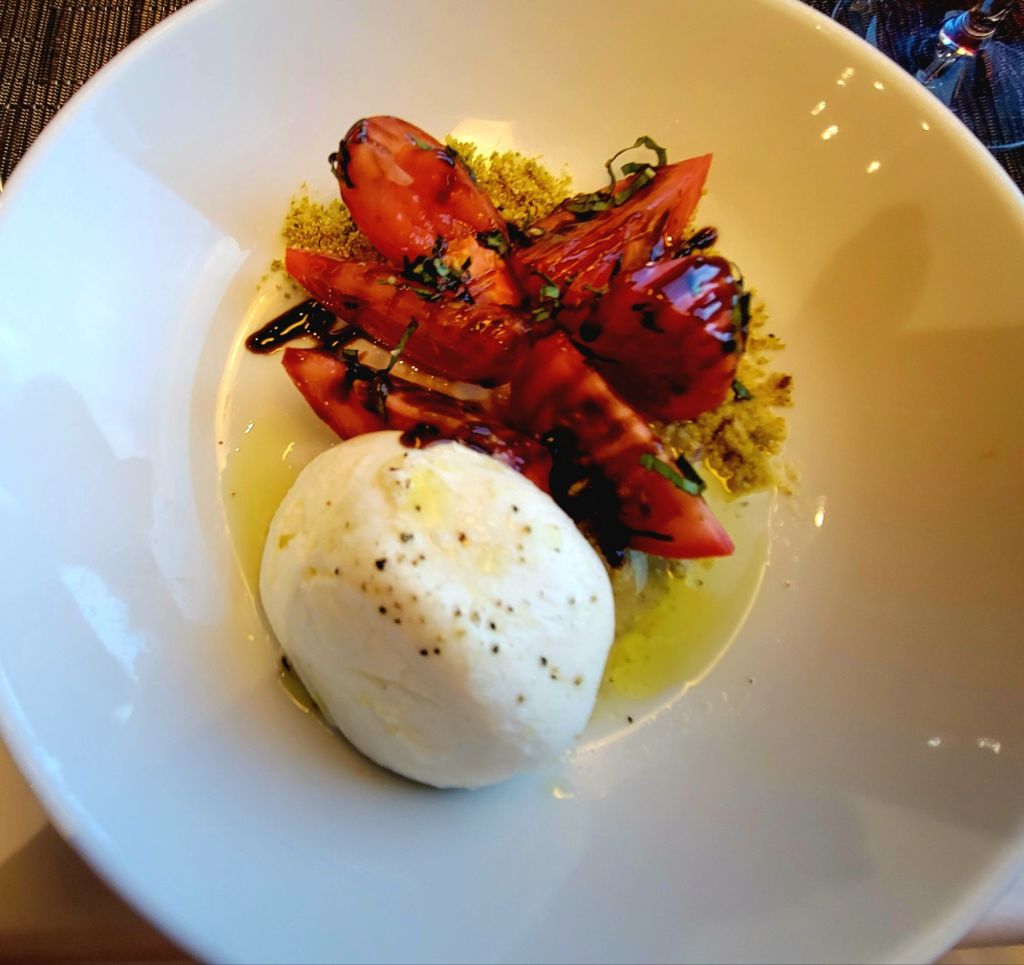
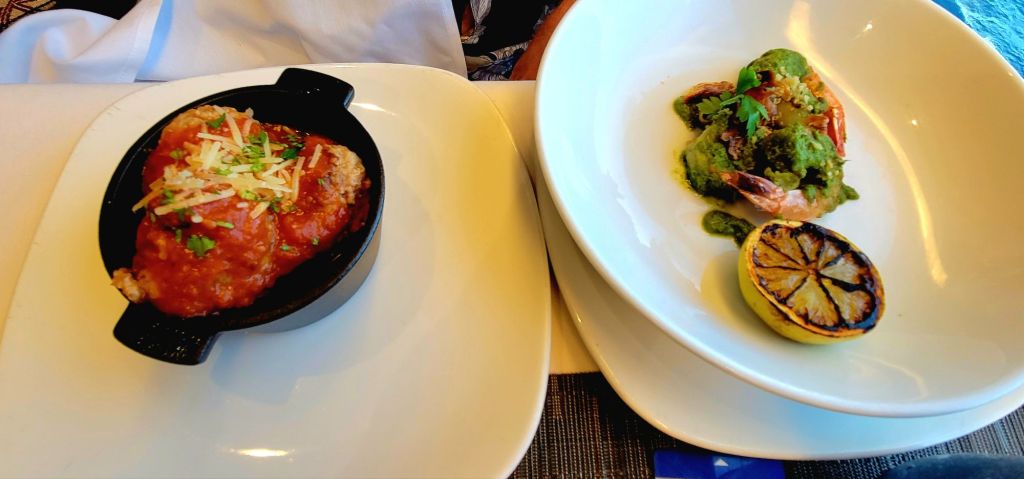
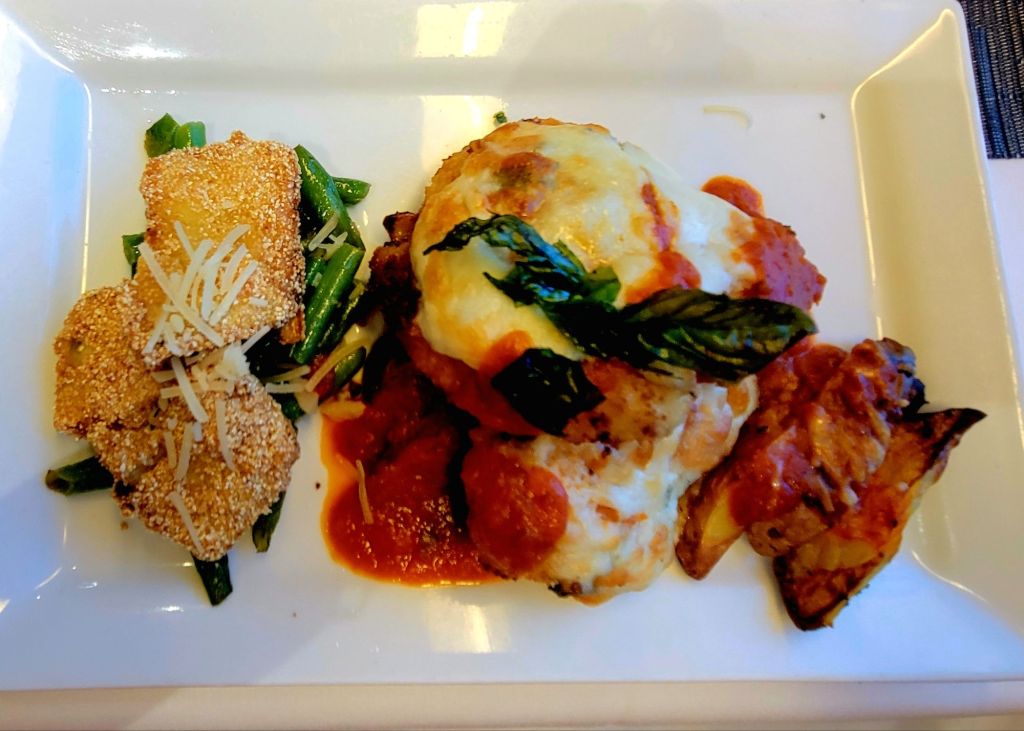
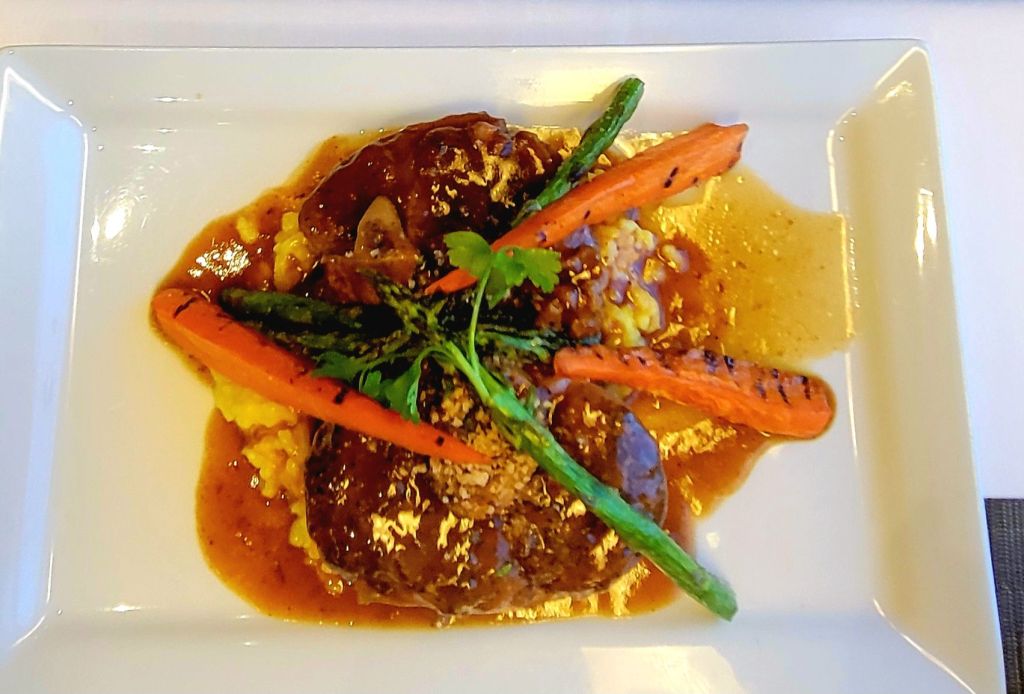
Dinner at Canaletto’s

 Suzi Travels
Leave a comment